How Much Does 3D Product Rendering Cost?
Learn what 3D product rendering costs, how per-model, per-render and hourly pricing differ, what drives quotes, and how to budget a product library.
 MediaScaleUp Editorial Team
Short answer: in the US market, 3D product rendering cost typically runs $150 – $900 per image for a product still, $800 – $4,000 per image for an interior or architectural visual, and $2,500 – $30,000+ for a real-time asset or configurator. Our own published starting rates are from $49 per model, from $39 per render, and from $11 per hour for a dedicated artist, with the final figure set by the complexity of the job.
Those ranges are wide for a reason. A 3D render is not a single product the way a stock photo is; it is the output of several distinct jobs (modeling, texturing, lighting, look development, rendering and compositing), and each of those scales with different things. A matte plastic bottle shot on a white sweep and a configurable sofa with fifteen fabrics that has to run in a browser are both "product rendering," and they sit at opposite ends of every range above. Understanding which parts of the work you are paying for is the fastest way to tell a fair quote from a lucky one or a dangerous one.
This guide is written for e-commerce managers, brand and marketing leads, product teams and agency producers who need to commission renders and defend the budget afterward. It explains the pricing models studios use and what each one actually includes, sets typical market ranges against our published starting rates, walks through the factors that move a quote, builds an illustrative budget from real rates, and ends with how to get an accurate quote, which cheap quotes to be wary of, and how to plan spending over a product line's life rather than a single launch.
3D Product Rendering Cost at a Glance: Market Ranges and Starting Rates
The table below puts the reviewed US market ranges next to the rates we publish. The two columns are not measuring quite the same thing, and that difference matters. Market figures for a product still are usually quoted as an all-in price per finished image: the model, one lighting setup, a handful of angles and a composited delivery. Our rates are unbundled. The model is priced once, and each render from it is priced separately, which is why the starting figures look so different from the market column.
| Type of work | Typical US market range | What the market price usually covers | Our published starting rate |
|---|---|---|---|
| Product still | $150 – $900 per image | One model, one lighting setup, a handful of angles, delivered composited | Model from $49 per model, plus renders from $39 per render |
| Interior or architectural visual | $800 – $4,000 per image | Full scene build, lighting, materials, entourage and post | Quoted per project from the per-model and per-render rates |
| Real-time asset or configurator | $2,500 – $30,000+ | Optimized models, material variants, and the web integration to drive them | Quoted per project |
| Ongoing production capacity | Varies by market and seniority | An embedded modeler or visualizer working in your pipeline | Dedicated artist from $11 per hour |
Two practical readings of this table. First, the unbundled model is where the savings live for anyone rendering the same product more than once: you pay for the geometry a single time, and every later angle, colorway or campaign reuses it. Second, the starting rates are exactly that, starting points. A per-model figure assumes a product of modest complexity with good reference; a watch movement, a car interior or a garment with visible stitching will price above it. Anyone who reads "from $49 per model" as the price of any model will be disappointed, and anyone quoting a flat price for every model regardless of what it is has not looked closely at the work.
It also helps to know where the market's upper figures come from. The top of the product still range is typically a hero image: a complex product, several materials that need to read correctly (brushed metal next to soft-touch plastic next to glass), a styled environment rather than a white background, and retouching to a campaign standard. The top of the configurator range reflects engineering as much as art, because the integration that lets a shopper change a finish on a web page is software work with its own testing and maintenance.
Pricing Models and What Each One Includes
Studios, freelancers and in-house teams price rendering in four main ways. Each model moves risk between you and the supplier in a different direction, so choosing the right one is as important as the number on it.
- Per model from $49 per model: clean topology, correct scale, built for where it is going. Turnaround 3–10 working days.
- Per render from $39 per render: photoreal stills in a managed color pipeline, delivered with passes. Turnaround 2–7 working days.
- Per project for real-time work: optimized assets, variants and integration scoped and quoted as one job.
- Dedicated artist from $11 per hour: a modeler or visualizer embedded in your pipeline. Start within 48 hours.
- All-in per image (common in the market): model, lighting and composite bundled into one image price.
Per model: paying for the asset
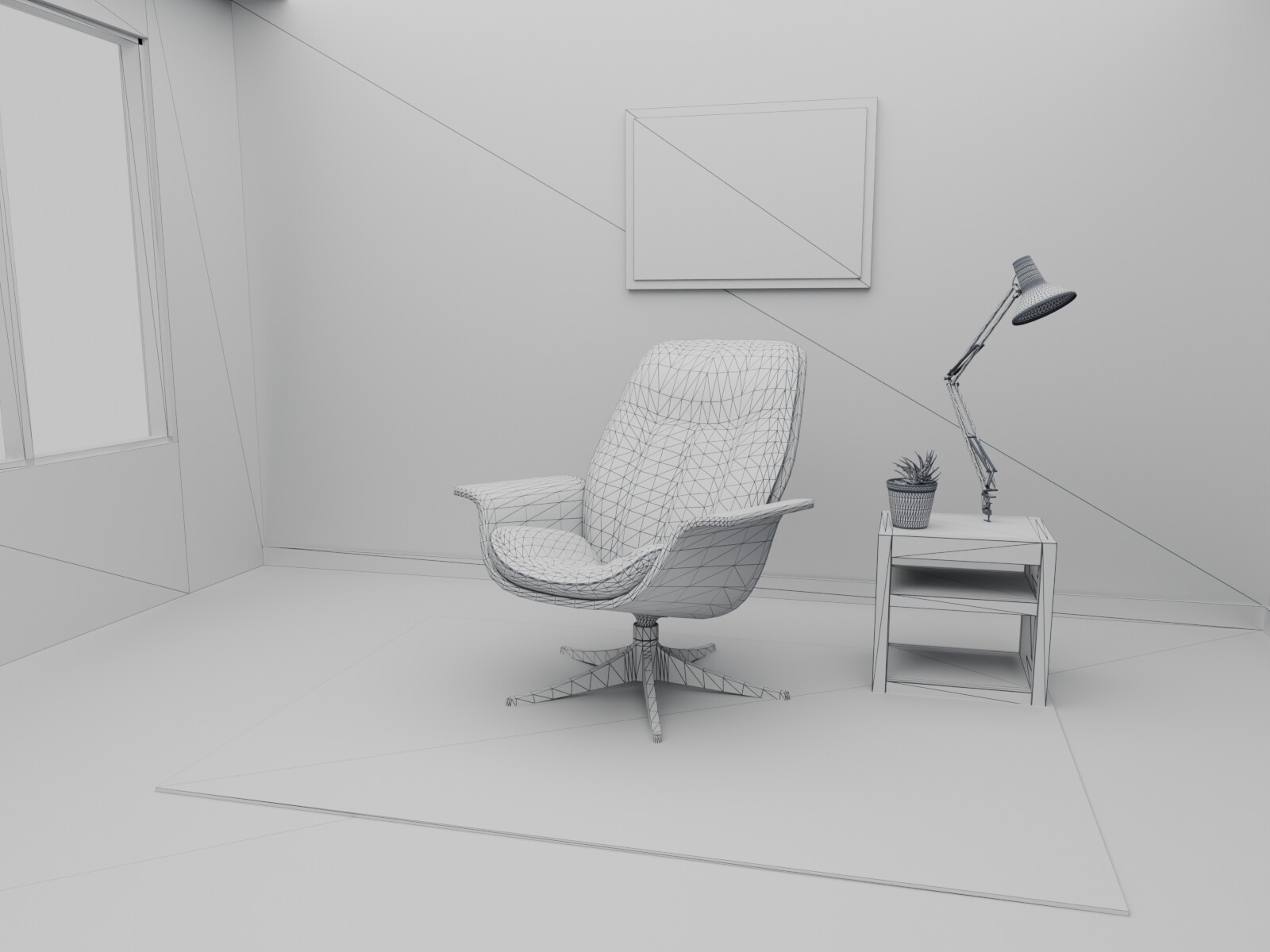
A per-model price buys you the 3D asset itself: geometry built at correct real-world scale, with clean topology (sensible edge flow, no overlapping or non-manifold faces, no hidden junk geometry), UVs laid out for texturing, and materials assigned. "Built for where it is going" is the important clause. A model destined for offline stills can carry millions of polygons and subdivision detail because render time is the only cost. A model destined for a web viewer or an AR experience needs a tight polygon budget, baked textures and often multiple levels of detail. Those are different deliverables, and a good per-model quote says which one you are getting.
What to check in a per-model quote: the file formats you will receive (a native scene file plus an interchange format such as FBX, OBJ, glTF or USD), whether textures are included and at what resolution, whether the model is yours to reuse without further fees, and how many rounds of geometry revision are included before changes are billed.
Per render: paying for the image
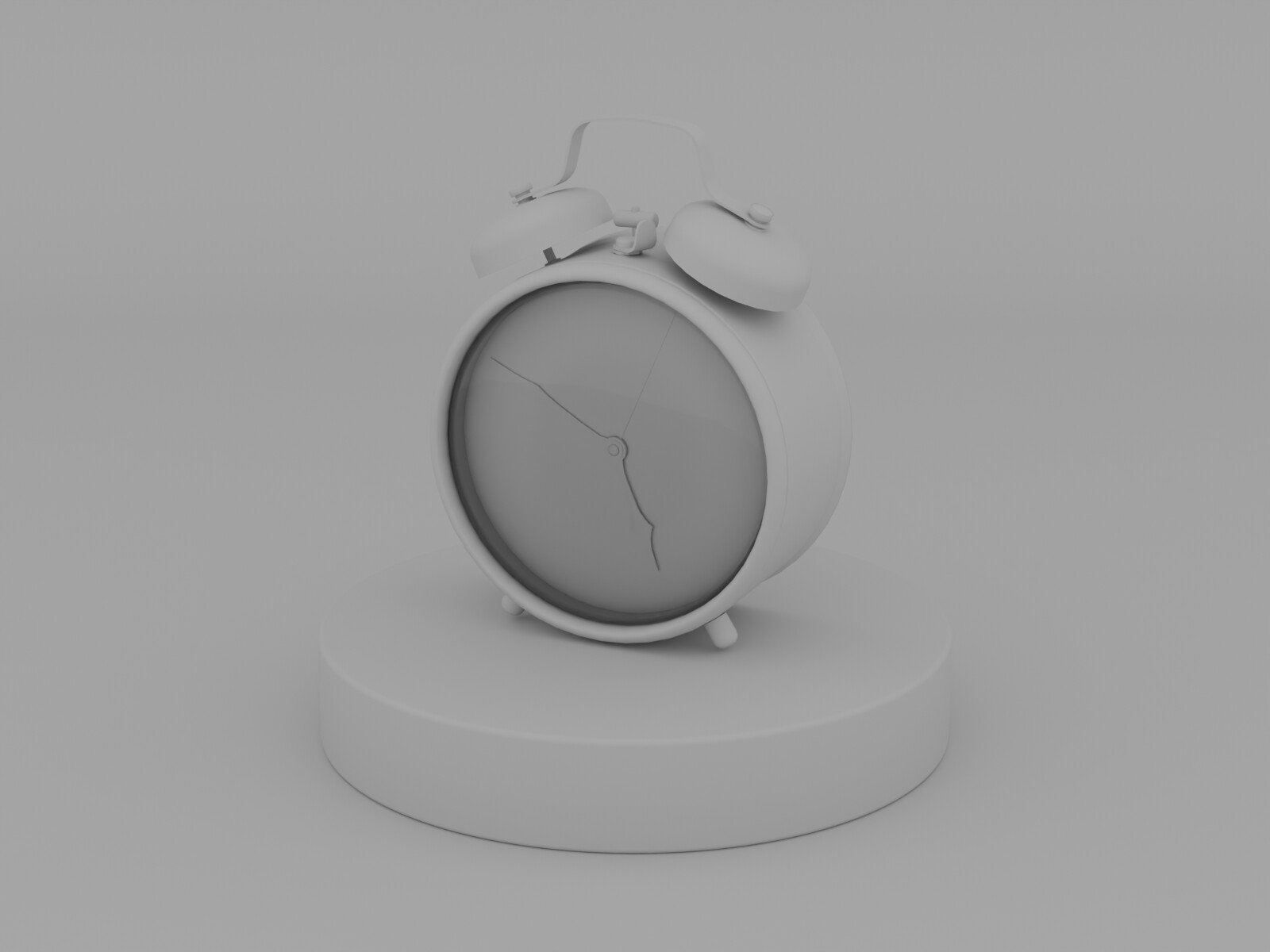
A per-render price covers lighting, camera, rendering and delivery of one finished still from an existing model. "Delivered with passes" means you receive not just a flattened image but the render layers (typically things like diffuse, reflection, shadow, ambient occlusion, object or material ID mattes, and depth) that let a retoucher adjust one element without re-rendering. A "managed color pipeline" means the renders are produced and delivered in a defined color space, so a red that matches the physical product on the studio monitor still matches on your product page and in print.
Per-render pricing rewards reuse. Once a model and a lighting setup exist, extra angles, crops and colorways are the cheapest images you will ever buy, because the expensive decisions have already been made.
Per project: paying for an outcome
Real-time assets and configurators are almost always quoted per project, and for good reason. The work includes modeling, optimization, material variant setup, testing on target devices and the integration that connects the 3D viewer to your product data. The pieces depend on each other, and scope creep in one (adding a finish, a new product family or a new platform) ripples through the rest. A fixed project quote is only as good as the scope document behind it, which is why the market range for this category, $2,500 – $30,000+, is the widest of the three.
Hourly and dedicated artists: paying for capacity
A dedicated artist, from $11 per hour, is the right model when the work is continuous and the scope keeps changing: a retailer adding products every week, an agency with a rolling pipeline of client jobs, or a product team iterating on designs that are not frozen yet. You direct the work, you carry the risk that tasks take longer than planned, and in exchange you get flexibility and a person who learns your products, your standards and your file structure. It suits teams that already know how to brief and review 3D work. It does not suit a one-off job where you want a fixed price and someone else to manage the outcome.
What Drives 3D Product Rendering Cost
Every quote, whatever model it uses, is really an estimate of hours plus machine time. Six factors decide most of those hours.
Asset complexity
A cylinder is not a car. Part count, curvature and material variety drive modeling hours directly. A shampoo bottle is a revolved profile, a cap and a label; a competent modeler can build it quickly. An office chair has casters, a gas lift, a mechanism, an adjustable armrest and a mesh back, each needing its own geometry and material. Soft goods such as upholstery, apparel and bags add another layer, because believable folds, seams and stitching take either careful sculpting or cloth simulation. Jewelry sits in its own category, where tiny tolerances, gemstone refraction and metal finishes demand precision well beyond their physical size; the metal and stone work alone can outweigh the rest of the job.
Where it is going
Real time on the web means aggressive budgets and optimization passes. Offline render means quality is the constraint and time is the cost. The same product can be priced very differently depending on destination. An offline still can use full subdivision geometry and physically accurate materials, and nobody cares how heavy the file is. A web configurator asset has to load quickly on a mid-range phone, which means retopology, normal map baking, texture atlasing and testing. If you are not sure which destination your project needs, the trade-offs are laid out in choosing real-time or offline rendering.
Number of variants
Fifteen colorways from one model is cheap. Fifteen genuinely different products is fifteen models. This single distinction explains more budget surprises than any other. A colorway or finish swap reuses geometry, lighting and camera, and changes only the material; with a properly built scene, it can be batch rendered. A "variant" that changes shape (a different handle, a longer body, an extra compartment) is new modeling. Before you count images, count unique geometries. The mechanics of doing variants efficiently are covered in getting batch rendering variants right.
Animation
A still is one frame. A ten-second animation at 30fps is three hundred, and render time scales with it. Animation also adds work that stills never need: motion design, camera paths, timing, sometimes rigging for moving parts, and sound-aware editing. Turntables are the most economical form of animation because the camera move is simple and the lighting can stay fixed, which is why many product teams use them in place of bespoke animation. If a spin is all you need, read how to get turntable renders right before commissioning something more elaborate.
Reference quality
Good CAD data or measured drawings speed everything up. Three blurry photographs and a guess do the opposite. CAD files from engineering give exact dimensions and part relationships, though they usually need conversion and cleanup because manufacturing geometry is not built for rendering. Measured drawings with material callouts are the next best thing. A physical sample shipped to the studio lets the artist check how a finish actually catches light. Photographs alone force the modeler to estimate proportions, and every estimate becomes a revision round later.
Render resolution and passes
Billboard resolution with full passes is a different render job from a web hero image. Higher output resolution multiplies render time, exposes modeling and texture detail that a small image would hide, and often requires higher-resolution textures to hold up. Print adds its own requirements for resolution at final size and color conversion; rendering for print explains what changes when the destination is paper rather than a screen.
Before you count images, count unique geometries. Colorways are cheap; genuinely different products are each a new model.
How a Rendering Project Runs, and Where the Budget Goes
Knowing the stages of a project helps you read a quote, because each line on it maps to one of them. It also shows where your decisions are cheap to change and where they become expensive.
| Stage | Typical duration | What happens | Cost of changing your mind here |
|---|---|---|---|
| Reference and blockout | 2–4 days | Reference is gathered and checked; proportions are blocked out in simple geometry for approval | Low: nothing detailed has been built yet |
| Modeling and texturing | 1–3 weeks depending on complexity | Final geometry, UVs, textures and material assignment | Moderate: shape changes mean rework |
| Look development | 2–4 days, including the approval gate | Materials and lighting are tuned until the product reads correctly; you sign off on the look | Moderate: this is the last cheap moment to change style |
| Rendering | Hours to days, estimated before it starts | Final frames are computed at delivery resolution with passes | High: changes mean re-rendering |
| Composite and delivery | 2–5 days | Passes are combined, retouched and exported to the agreed formats and color spaces | Moderate to high, depending on whether the change can be made in post |
The look development approval gate is the most important moment in the schedule for your budget. Up to that point, you are approving a direction; after it, you are paying for machine time and compositing against that direction. A client who approves a look, then asks for "a warmer feel" after final renders, has effectively paid for rendering twice. Good studios make the gate explicit, show you test renders at reduced resolution, and write the approval into the project record. For more on what separates good lighting from merely adequate lighting, see lighting and rendering done properly.
The rendering stage is where hardware choices affect cost. GPU renderers are fast for many product scenes but are bounded by graphics memory; CPU rendering handles very heavy scenes more gracefully but more slowly. A supplier who estimates render time before starting, as the schedule above requires, has made that choice deliberately rather than discovering it halfway through. The trade-off is covered in GPU or CPU rendering.
Worked Budget Example (Illustrative)
The following example is illustrative. It uses only our published starting rates, and the quantities are assumptions chosen to show how the arithmetic works, not a quote. Real projects price above starting rates when the products are complex, the reference is poor, or the outputs are demanding.
The scenario. A housewares brand is launching a range of eight kitchen products: a kettle, a toaster, a set of canisters and similar items. Each product needs a white-background hero, two alternate angles and a detail shot for the product page, which is four renders per product. Three of the eight products also come in a second colorway that needs the same four shots.
| Line item | Quantity | Starting rate | Starting subtotal |
|---|---|---|---|
| Models (unique geometries only) | 8 models | from $49 per model | from $392 |
| Renders, primary colorway | 8 products × 4 renders = 32 renders | from $39 per render | from $1,248 |
| Renders, second colorway | 3 products × 4 renders = 12 renders | from $39 per render | from $468 |
| Total at starting rates | 8 models, 44 renders | from $2,108 |
Three things are worth noticing. First, the second colorway adds renders but no models, because the geometry already exists; that is the "fifteen colorways from one model" principle in action. Second, the model cost is paid eight times but spread across forty-four images, which is why unbundled pricing tends to favor catalogs with several shots per product. Third, the total is a floor. If the kettle has a complex mechanism, if the canisters need realistic glass, or if the reference is photographs rather than CAD, the models will quote above the starting rate.
The same launch with a dedicated artist
Suppose the brand expects to keep adding products every month after launch. An alternative is a dedicated artist from $11 per hour. As an illustrative assumption only, a block of 160 hours in a month would start from $1,760. Whether that is better value than per-item pricing depends entirely on how many models and renders the artist completes in those hours, which depends on product complexity and on how efficiently your team briefs and reviews. The hourly model makes sense when there is a steady flow of work and someone in-house to direct it; per-item pricing makes sense when the work is a defined batch.
What would change the numbers
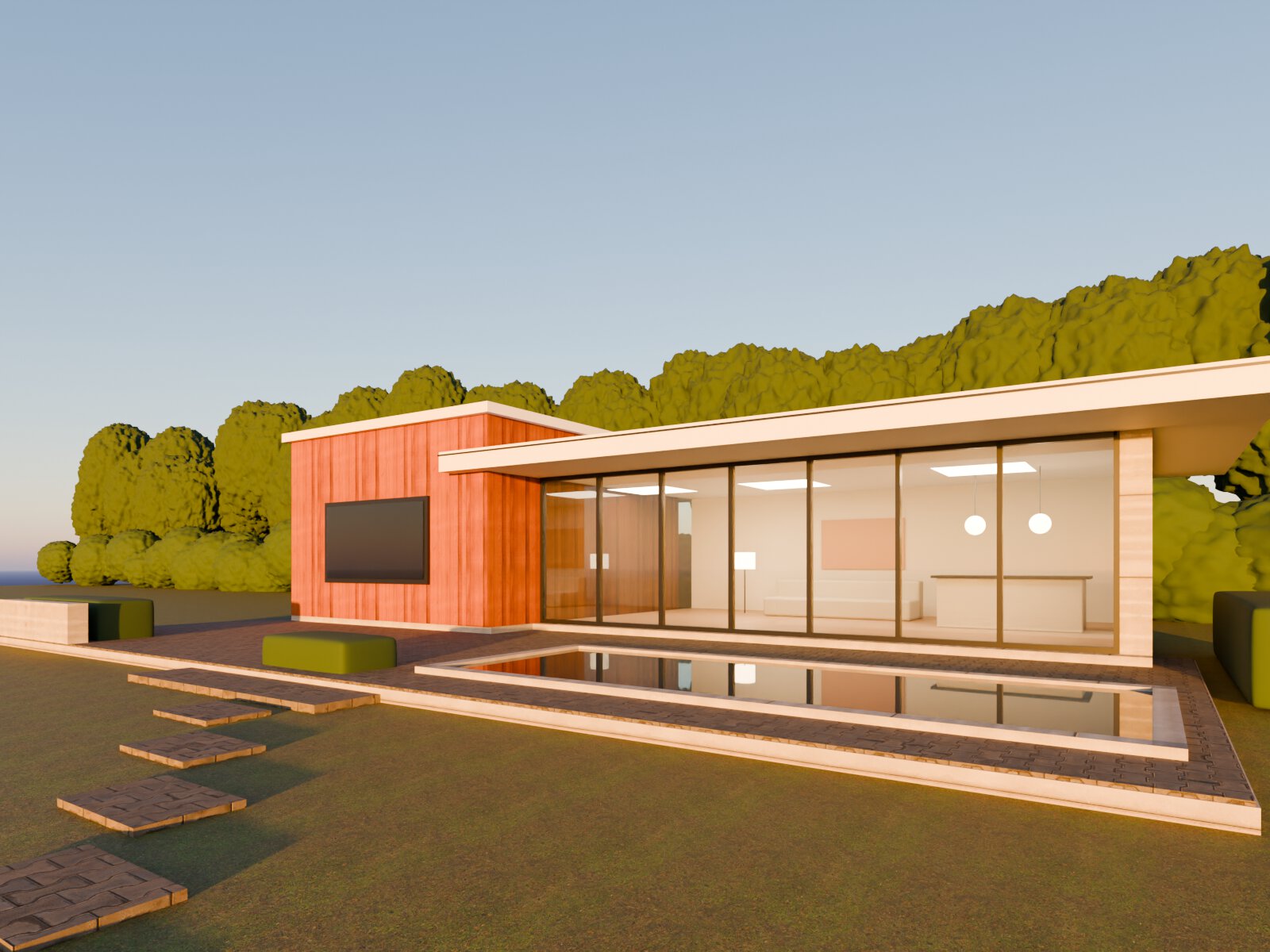
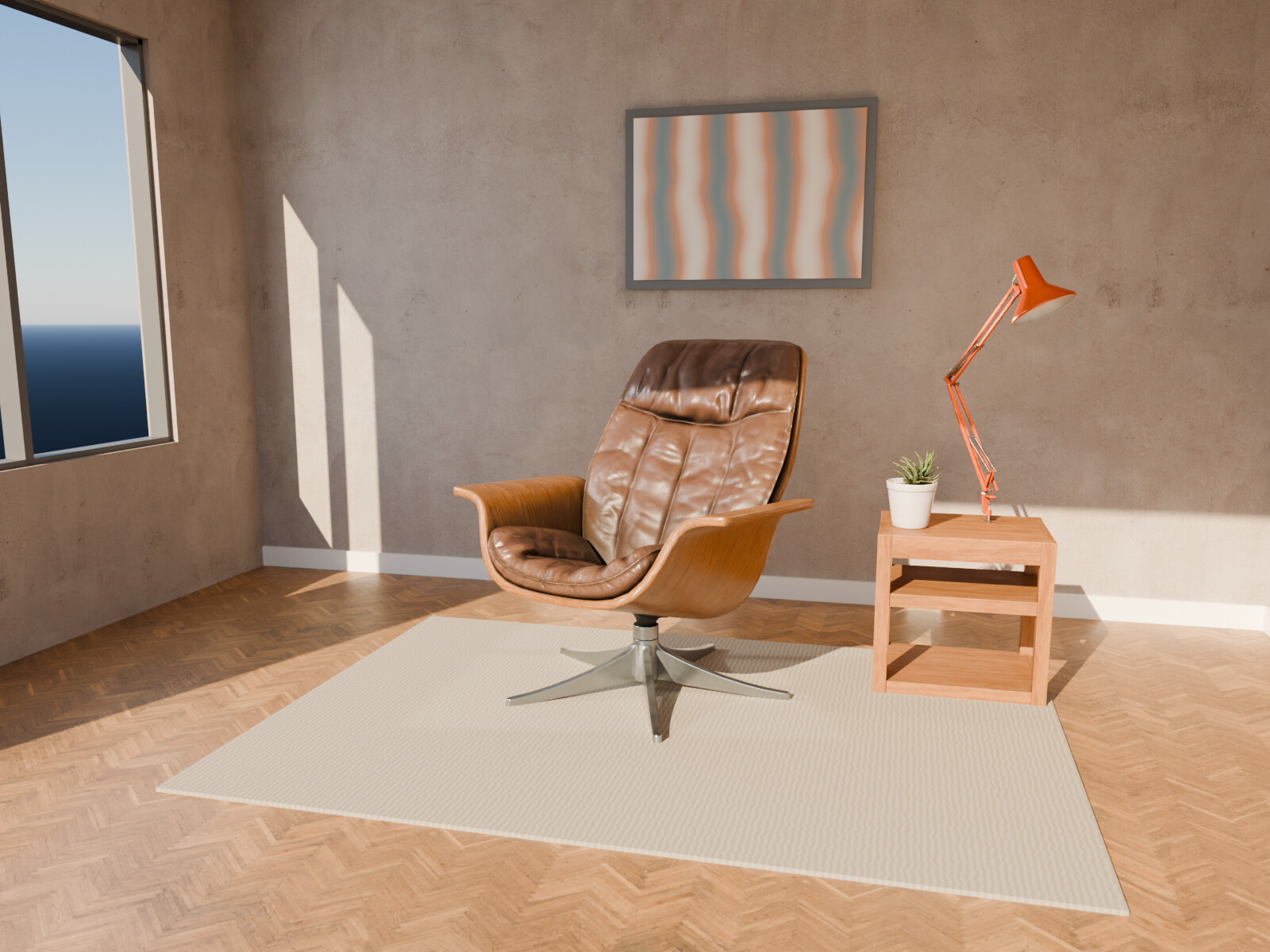
- Adding a lifestyle scene instead of a white background moves the images toward the interior visual category, which involves a full scene build rather than a single product.
- Adding a ten-second spin for each product adds three hundred frames per product at 30fps, which is a separate animation job.
- Delivering for a web configurator instead of stills changes the model specification and makes the whole job a per-project quote.
- Poor reference adds revision rounds, which is the most common and most avoidable overrun.
How to Get an Accurate Quote for 3D Product Rendering
Most inaccurate quotes come from incomplete briefs rather than dishonest suppliers. If you give a studio the information below, the numbers you get back will be comparable with each other and much closer to the final invoice.
- List unique geometries, not images. Count how many physically different products or parts need modeling, and separately list colorways, finishes and material variants for each.
- Define every output. For each deliverable, state the destination (web product page, marketplace listing, print, billboard, configurator, AR), the resolution, the aspect ratio, the background and whether you need passes.
- Send the best reference you have. CAD files, measured drawings, material and finish specifications, color references and, where possible, a physical sample. Say plainly what you do not have.
- Share a style reference. Two or three images that show the lighting and mood you want remove more guesswork than a page of adjectives.
- State revision expectations and approvers. Name who signs off at blockout and at look development, and ask how many revision rounds are included at each gate.
- Ask for the quote broken out by stage. Modeling, look development, rendering and compositing priced separately lets you see where the money goes and compare suppliers fairly.
- Test with a small paid batch. Commission one or two products first. The result tells you more about quality, communication and real costs than any portfolio.
If you plan to render a large catalog over time, add one more item to the brief: ask how the models will be stored, named and versioned, and in what formats you will receive them. A model you cannot open or reuse later is a model you will pay for again. Our guide to planning a 3D product library goes into naming, versioning and format choices in detail.
Comparing quotes fairly
When quotes arrive, normalize them before comparing. Convert all-in per-image prices into a total for your full image list, and convert unbundled quotes the same way. Check that each quote covers the same outputs: resolution, passes, color space, number of revision rounds and file handover. A quote that looks lower but excludes passes or source files may cost more by the time you need either.
Red Flags in Cheap 3D Rendering Quotes
Low prices are not a problem on their own. Studios with efficient pipelines, reusable lighting rigs and lower labor costs can price well below the market ranges and still deliver excellent work. The problem is a low price that is low because something has been left out, and that omission becomes your cost later.
Red flags: treat a quote with caution if it shows any of these signs.
- A flat price per image that does not change with product complexity, variants or resolution.
- No mention of passes, color space or file formats in the deliverables.
- No approval gate before final rendering, or unlimited revisions promised with no definition of a revision.
- Model files withheld, or reuse of your own models subject to extra fees that were not stated up front.
- No questions asked about reference, destination or number of unique products before the price was given.
- A turnaround that ignores modeling time, such as finished photoreal renders of a complex product from photographs only, with no blockout stage.
Several of these point to the same underlying issue: the supplier has priced the image without pricing the asset. That can work for a single throwaway visual. It fails when you need consistency across a range, when you need to add a colorway next quarter, or when a model built for a still has to be reused in a configurator. Asking "what exactly do I receive, and can I use it again?" exposes most of these problems in one question.
Another subtle red flag is a quote that promises real-time delivery at an offline-still price. Real-time assets need optimization passes, and those take time. If the quote does not mention polygon budgets, texture sizes or target devices, it has not accounted for them. Similarly, if a supplier proposes rendering very large scenes on GPU without discussing memory, ask how they will handle scenes that exceed it; a clear answer, such as splitting the scene or falling back to CPU, is a good sign.
When the cheap quote is fine
A low quote is reasonable when the scope is genuinely simple: a few rigid products with clean CAD, white backgrounds, web resolution and a supplier who explains exactly what is included. It is also reasonable when the supplier's pricing model is transparent and unbundled, so you can see that the low number is the result of reuse rather than omission.
Budgeting for 3D Rendering Over Time
The biggest change in rendering economics comes when you stop thinking per launch and start thinking per product line. The model is an asset with a long useful life. Photography has to be reshot when you change a color, a background or a campaign concept; a 3D model can be re-rendered.
Year one: build the library
The first year of a 3D program is front-loaded. Most of the spending goes on models, and the render count per model is moderate. This is the time to insist on consistent standards: real-world scale, consistent naming, material libraries that can be reused across products, and a lighting rig that defines your brand's look. Every one of those decisions reduces the cost of later work. A consistent lighting rig in particular turns new renders into a predictable, repeatable job; lighting presets and rigs explains how studios set them up.
Year two and after: render from the library
Once the models exist, budgets shift toward renders, variants and new formats. New colorways, seasonal backgrounds, marketplace-specific crops and campaign images all draw on existing geometry. New products still need modeling, but products in the same family often share components, which lowers the modeling effort for each addition.
Planning line items
- New product modeling: estimate from your product roadmap, counting unique geometries.
- Refresh renders: estimate from how often you update product pages and campaign imagery.
- Format upgrades: set aside budget for converting stills-grade models to real-time assets if a configurator or AR program is likely.
- Library maintenance: someone has to keep files organized, versioned and backed up; that is either internal time or a line in a supplier contract.
Choosing between per-item pricing and a dedicated artist is often a question of when, rather than which. Many teams start with per-item pricing while they learn what they need, then move to a dedicated artist once the work becomes a steady flow with predictable standards. The reverse move also happens when a burst of launch work settles down.
Choosing the Right Pricing Model for Your Situation
With the drivers and the stages in view, the choice of pricing model mostly follows from the shape of your work.
Pros
- Unbundled per-model and per-render pricing makes reuse visible and rewards catalogs with many shots per product.
- Per-project pricing gives certainty on complex real-time or configurator jobs where the parts depend on each other.
- A dedicated artist gives flexibility for continuous work and builds knowledge of your products over time.
Cons
- Per-item pricing needs a clear brief; vague scopes produce change requests.
- Per-project pricing is only as reliable as the scope document behind it.
- Hourly work puts the risk of overruns on you and requires in-house direction and review.
A few rules of thumb follow from this. If you have a defined batch of products and clear outputs, use per-model and per-render pricing, and ask for the models to be delivered to you. If you are building something interactive, insist on a written per-project scope that lists every product, variant, platform and integration point. If you have a steady, changing flow of work and someone to direct it, a dedicated artist usually gives the best value over time. And if you are commissioning a single high-stakes image, such as a campaign hero or a trade show billboard, expect to pay toward the top of the market range, because the time goes into details that a catalog image never needs.
Scenes deserve a separate word. Placing a product in a room turns a product still into something closer to an interior visual, with a full scene build, furnishings, lighting and materials, and it is priced accordingly. Many brands get most of the value from a small number of reusable room sets, into which different products can be placed. The practical side of this is covered in room scene rendering.
Questions to Settle Before You Sign
Price is only one clause in a rendering agreement. Before you commit, get written answers to the following, because each one affects total cost as much as the headline rate does.
- Ownership and reuse. Do you own the models and textures outright, and can you use them with other suppliers or in-house?
- Revision definitions. What counts as a revision, how many are included at each approval gate, and how are extras billed?
- Color management. In what color space are renders produced and delivered, and how is color matched to physical samples?
- Delivery specification. Which file formats, resolutions, passes and naming conventions are included?
- Schedule assumptions. Which dates depend on your team's feedback, and what happens to the schedule if feedback is late?
- Canceled or paused work. How is work billed if a product is canceled mid-project or a launch is delayed?
Settling these up front turns a price into a plan. It also makes quotes from different suppliers genuinely comparable, which is the whole point of collecting them. If you want to see how these services fit together in practice, our 3D design and development services page sets out what we cover and how projects are run.
Verdict Budget 3D rendering by counting unique models first and images second. Market prices of $150 – $900 per image for product stills bundle the model into every picture; unbundled pricing, starting from $49 per model and from $39 per render, separates them so reuse lowers the cost of every later image.
Spotted something wrong? Report an error on this page. We correct on the page and say what changed.