Freelance Photographer vs Product Photography Studio: How to Decide
When a freelance photographer beats a product photography studio and when it does not, compared on cost, capacity, consistency, rights, insurance and hybrids.
 MediaScaleUp Editorial Team
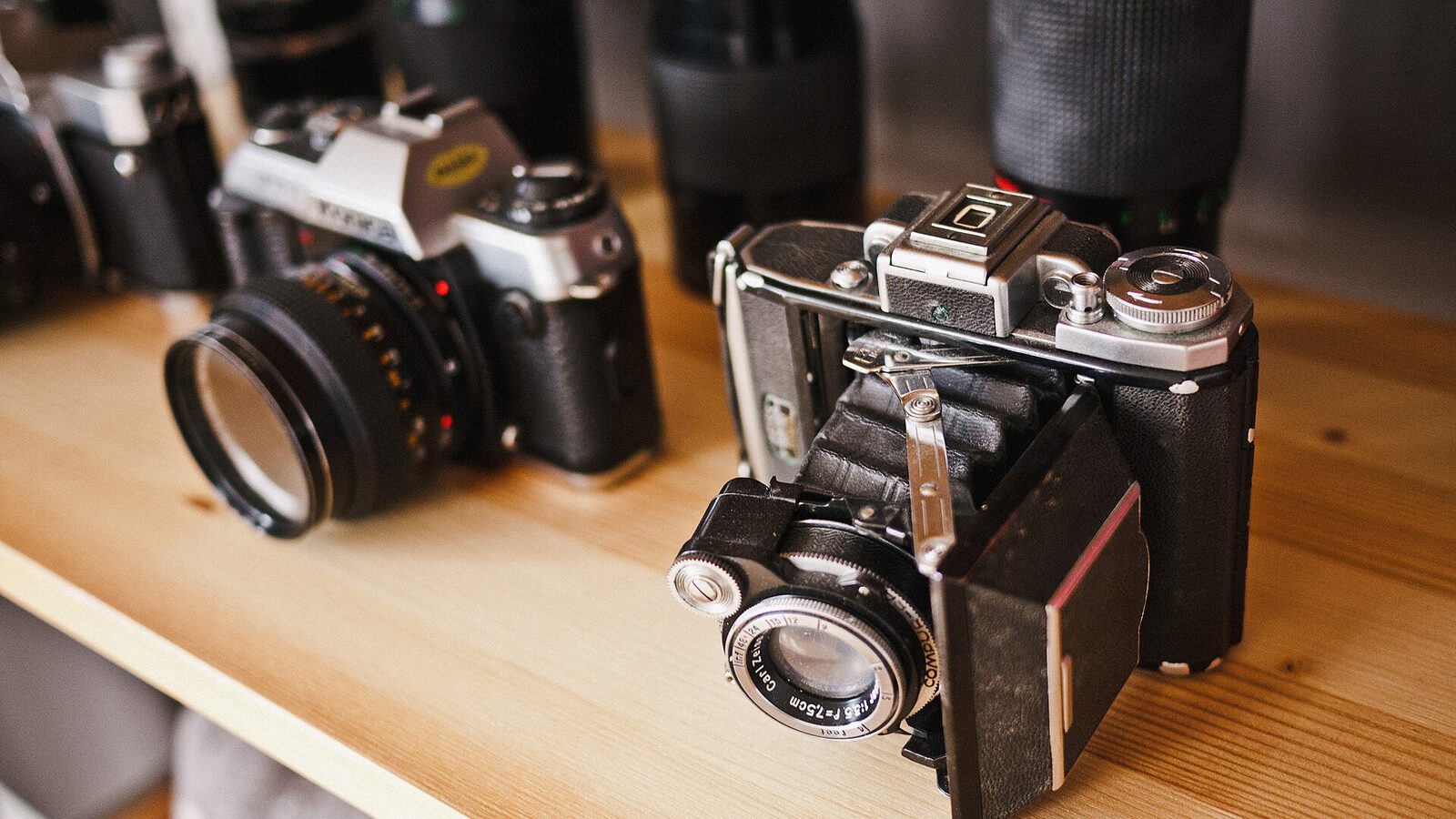
Freelance photographer vs studio is one of the first decisions a brand faces when it needs product images, and it is rarely framed well. Most comparisons reduce it to price, as if a freelancer were simply a cheaper studio or a studio were simply a more expensive freelancer. In practice the two are different ways of organizing the same work. A freelance photographer is one skilled person who brings their eye, their kit and often a network of collaborators. A product photography studio is a production system: a space, a lighting setup that can be repeated, a team that divides shooting from styling and retouching, and processes that keep images consistent across hundreds or thousands of products.
This guide is for founders, e-commerce managers, marketing leads and in-house creative teams who are about to commission product photography and want to choose the right kind of supplier, not just the lowest quote. It compares the two options on cost structure, capacity, catalog consistency, equipment and space, post-production, turnaround, usage rights and file ownership, and insurance and reliability. It then walks through illustrative scenarios for different catalog sizes, gives you a decision checklist, and explains the hybrid models that many brands end up using.
A note on figures: the rates quoted below are our own published starting rates and reviewed ranges for the US market. They are starting points, not totals, and every real quote depends on the number of products and angles, styling, models, location, retouching depth and usage rights. We do not quote freelancer day rates, because they vary too widely by market, specialty and what is included to be useful as a single figure.
The short answer: when each option wins
If you only read one section, read this one. The choice usually comes down to how many products you have, how often you add new ones, and how much the images need to match each other.
A freelance photographer usually wins when
- You have a small range, roughly a few dozen products or fewer, and do not expect to add many soon.
- The work is creative and one-off: a brand story, a founder portrait, a small styled set for a launch or a website refresh.
- You have a specific photographer whose style is exactly what the brand needs, and style matters more than repeatability.
- You or your team can handle the production around the shoot: sourcing props, managing samples, organizing file delivery and briefing retouching.
A product photography studio usually wins when
- You have a large or growing catalog and every product page needs to match the others.
- You add products regularly, by season, drop or supplier cycle, and need the new images to sit alongside last year's without visible drift.
- You sell on marketplaces with image requirements, where a documented setup and consistent color make compliance easier.
- You need a mix of work (packshots, lifestyle, detail, 360-degree) and want one supplier to coordinate it.
- Reliability matters: a missed shoot day or lost files would delay a launch.
The more your images are a system rather than a set, the more a studio makes sense. The more they are a set of one-off creative pieces, the more a good freelancer does.
| Factor | Freelance photographer | Product photography studio |
|---|---|---|
| Cost structure | Varies widely; often day or project based, with extras such as studio hire, props and retouching quoted separately or left to you | Published rates by product or by day, with studio, lighting and basic post included in the day rate |
| Capacity and throughput | Limited by one person's hours; strong for small volumes | Built for volume, with shooting, styling and post running in parallel |
| Consistency across a catalog | Depends on the individual's notes and discipline between sessions | Documented, repeatable setup with a color reference in every session |
| Equipment and space | Own kit; space often hired or improvised per shoot | Permanent space, standing lighting setups and backup equipment |
| Post-production | Often done by the photographer or subcontracted | Usually a dedicated retouching workflow with style guides |
| Turnaround | Can be fast for small jobs; depends on one diary | Scheduled with published turnaround windows |
| Usage rights and files | Varies by individual; must be agreed in writing | Typically set out in standard terms; still must be read |
| Insurance and reliability | Varies; single point of failure | Business cover and staff depth are more common; check both |
The table is a general pattern, not a rule. Some freelancers run highly systematic setups, and some studios are sloppy about consistency. Use it to know which questions to ask each supplier, then check the answers.
What each option really is, and where each falls short
Before comparing line by line, it helps to be precise about what you are buying. The labels "freelancer" and "studio" cover a lot of ground.
The freelance product photographer
A freelance photographer is usually a self-employed specialist who owns their cameras, lenses and a portable lighting kit. Some work from a home studio or a shared space; others hire a studio by the day or shoot at your premises. Many have a network of stylists, retouchers and assistants they can bring in. The best freelancers are exceptional image makers, and for creative work the personal eye of one photographer can be exactly what a brand needs.
Pros
- A single creative voice, which suits brand storytelling and distinctive styling
- Flexible about location, including shooting at your own premises
- Direct communication with the person taking the pictures
- Often efficient for small, one-off jobs with few products
- Can be a strong fit when you have your own producer or art director
Cons
- Capacity is limited to one person's time, which slows large catalogs
- Consistency across sessions depends on individual note-keeping
- Illness, overbooking or equipment failure can cancel a shoot with no backup
- Studio hire, props, styling and retouching may be extras you coordinate
- Usage rights, insurance and file archiving vary by individual
The product photography studio
A product photography studio is a business built around repeatable production. It has a permanent space with standing setups for different product types, a team that typically includes photographers, digital techs, stylists and retouchers, and documented processes for sample handling, color management, file naming and delivery. Our own per-product work, for example, uses packshots against a documented, repeatable setup with a color reference in every session. The studio model is designed so that a product shot today matches one shot six months ago, even if a different photographer was on set.
The trade-off is that a studio can feel less personal. You are buying a process as much as a person, and for highly creative work you should ask which photographer and art director will actually be assigned. For a detailed method of assessing studios, see our guide on how to choose a product photography studio.
Pros
- Built for volume, with shooting, styling and post running in parallel
- Documented setups keep images consistent across a catalog and over time
- Permanent space, standing lighting and backup equipment
- One supplier can cover packshots, lifestyle, detail and specialist formats
- Published rates and turnaround windows make budgeting easier
Cons
- Less personal; the photographer on set may change between sessions
- Can be more than a very small or one-off job needs
- Studio days and campaign shoots are booked weeks ahead
- Location work adds travel and complexity the studio model is not built around
- Standard terms may not match your usage needs without negotiation
Cost structure: comparing the numbers you can actually compare
Cost is where most comparisons go wrong, because quotes are built differently. One supplier's day rate includes the studio, lighting and basic post; another's covers only the photographer's time. One quote includes unlimited web usage; another licenses images for one channel for a year. Before comparing totals, make every quote describe the same thing.
Our published starting rates and the US market
| Service | Our starting rate | What it includes | Turnaround | Typical US market range |
|---|---|---|---|---|
| Per product | From $32 per product | Packshots against a documented, repeatable setup with a color reference in every session | 5–10 business days | $15 – $75 per product (simple products, consistent setup, volume pricing, standard angles) |
| Studio day | From $1,650 per day | A full day with photographer, studio, lighting and basic post included | Booked 1–3 weeks ahead | $800 – $3,500 per day (photographer, studio, lighting and basic post; product count depends on complexity) |
| Lifestyle and campaign | From $6,800 per day | Styling, models, location and art direction, with full post | Booked 3–6 weeks ahead | $3,000 – $25,000+ per day (styling, models, location, art direction and full post) |
All three of our figures are starting rates, not guaranteed totals. The market ranges are wide because the work inside them is wide. A studio day for simple boxed goods and a studio day for reflective jewelry are both "a studio day," but the number of finished images from each can be very different. For a fuller breakdown, our guide to how much product photography costs goes deeper into each line.
What drives the cost, whichever option you choose
- Number of products and angles. Angles per product multiplies faster than the product count does. Fifty products at one angle is fifty images; fifty products at five angles is two hundred and fifty.
- Styling and props. A packshot is one thing. A styled lifestyle set with props, backgrounds and a stylist is another.
- Models. Casting, fees, usage rights and time on set. Usage is often the larger number, and it is time-limited.
- Location. On location means travel, permits, power, weather and less control than a studio.
- Post-production depth. Basic cleanup is included in most day rates. Heavy retouching is a separate line.
- Usage rights. Where images will be used, for how long, and in what territory. This is priced, and it is where a cheap quote usually turns expensive.
How the two options structure a quote
Studios tend to quote by product for packshots and by day for anything styled. That makes a per-product studio quote easy to scale: double the products and you roughly double the line, before angles and retouching. Freelancers more often quote by day or half day for their own time, and then either include or exclude studio hire, assistants, styling and retouching. When comparing, ask each supplier to restate its quote as the cost of the finished, delivered images you need, with usage terms written out. For a clear list of what a package should contain, see what is included in a product photography package.
Capacity and throughput: how many products can each option handle
Throughput is the number of finished images a supplier can deliver in a given period, and it is where the two models diverge most sharply once a catalog grows.
Why one person tops out
A freelance photographer who shoots, styles, manages files and retouches is doing four jobs in sequence. Every hour spent retouching is an hour not shooting. For a small range that is fine, and the photographer's intimate knowledge of each image can make the result better. For a large range, the sequence becomes the bottleneck. Adding an assistant or a subcontracted retoucher helps, but it also introduces coordination the freelancer then has to manage.
Why a studio scales
A studio splits the work. While one set is being shot, the next products are being prepped and styled, and yesterday's selects are with the retouchers. Standing setups mean less time rebuilding lights between product types. The practical effect is that a studio can take on a large range without the schedule stretching in proportion. Product count per day still depends on complexity: a matte box and a glass bottle are very different amounts of work.
Questions to ask about capacity
- How many finished images of products like mine do you typically deliver from one shoot day? Ask for a range and what drives it.
- Who retouches, and does retouching happen while shooting continues?
- What happens to the schedule if we add products midway?
If a supplier cannot answer the first question with a range and a reason, they have not shot enough products like yours to know.
Consistency across a catalog: the hidden deciding factor
Consistency is the factor most brands underestimate. A single beautiful image is easy. Two hundred images that look like they belong together, shot across several sessions, is hard. Shoppers notice inconsistency on a category page even if they cannot say what is wrong: one product is slightly warmer, another is cropped tighter, a third sits lower in the frame. The page looks less trustworthy.
What consistency actually requires
- A documented setup. Light positions, modifiers, camera height, lens, focal distance and background, written down or saved so they can be rebuilt exactly.
- A color reference in every session. A reference target shot at the start of each session so color can be corrected to the same standard every time.
- A crop and alignment guide. Where the product sits in the frame, how much padding surrounds it, and how shadows are handled.
- A retouching style guide. What gets cleaned, what gets left, how whites are set and how reflections are treated.
A disciplined freelancer can do all of this. The difference is that in a studio it is the default, because the studio's business depends on handing the same brand's work between people and sessions. With a freelancer, ask to see how they document a setup and how they would match a session six months from now. For the practical side of setups, our practical guide to product photography setup explains the components.
Note: consistency problems compound. If your first hundred products are shot one way and the next fifty another, you either live with a mismatched catalog or pay to reshoot the first hundred. Agreeing the setup and documenting it before the first session is far cheaper than fixing drift later.
Equipment, studio space and post-production
Equipment and space
Freelancers own their core kit, and good ones own very good kit. What they often do not own is space. A freelancer may shoot in a home studio, hire a studio by the day, or bring a portable setup to your premises. Each works, but each has limits: a home studio may not fit large items, a hired studio may not be set up the same way twice, and your office may not have controlled light or room to work.
A studio has a permanent space, standing setups and, importantly, spare equipment. If a light fails mid-shoot, a replacement is on the shelf. For specialist work, such as rotating products for 360-degree product photography, a studio is also more likely to have the turntables, software and calibrated setups already in place.
Post-production and retouching
Basic cleanup is included in most day rates. Heavy retouching is a separate line. The question is who does it and to what standard. Many freelancers retouch their own work, which keeps the creative vision intact but uses shooting time. Others subcontract, which adds a supplier you may never speak to. Studios typically run a dedicated retouching workflow against a written style guide, with a check before delivery.
Ask both options for the same thing: a written description of what "basic post" includes (dust and scratch removal, background cleanup, color correction to the reference, cropping to your template) and what counts as heavy retouching (compositing, reshaping, extensive blemish repair, label replacement). Without that list, you cannot compare two quotes.
Turnaround and scheduling
Turnaround has two parts: how far ahead you need to book, and how long after the shoot you get finished files.
Our published windows
For our own work, per-product packshots have a turnaround of 5–10 business days. Studio days are booked 1–3 weeks ahead. Lifestyle and campaign shoots are booked 3–6 weeks ahead, because casting, styling and locations take time to arrange.
How a project runs
- Planning and shot list (1–2 weeks) Agree products, angles, styling, crops and usage, and turn them into a shot list everyone signs off.
- Prep and sample delivery (3–7 days before the shoot) Samples arrive, are checked against the shot list, and are cleaned, steamed or prepped.
- Shoot (1–5 days depending on range size) Products are photographed against the agreed setup, with the color reference captured each session.
- Selects (2–3 business days) You choose the frames to be finished from the proofs.
- Post and delivery (5–10 business days) Retouching to the style guide, quality checks and delivery in the agreed formats and naming.
These phases overlap in practice, and the length of each depends on range size, how quickly selects come back and how many rounds of feedback are needed. Our guide to how long product photography takes covers what speeds it up and what slows it down.
Freelancer turnaround
A freelancer can be very fast for a small job, especially if they have a gap in their diary. The risk is concentration: everything runs through one diary. If a larger client books the same weeks, or retouching runs long on another job, your delivery moves. Ask for delivery dates in writing, and ask what happens if they slip.
Usage rights, file ownership, insurance and reliability
Usage rights and file ownership
Under US copyright law, the photographer who creates an image generally owns the copyright unless there is a written agreement that says otherwise. Paying for a shoot does not, on its own, transfer ownership. What you receive is a license to use the images, and its scope is set by the contract: where the images may be used, for how long and in what territory. Usage rights are priced, and this is where a cheap quote usually turns expensive. Model usage adds another layer, because it is often the larger number and it is time-limited.
This applies equally to freelancers and studios. The practical difference is that studios more often have standard terms written for commercial product use, while freelancers' terms vary widely. In either case, read the terms and check them against your actual plans: your own site, marketplaces, paid social, print, packaging, wholesale partners' sites. Also agree who keeps the raw files, how long finished files are archived and whether you can get them again if you lose your copy. This is general information, not legal advice; have a lawyer review terms for high-value work.
Insurance
Your samples are in someone else's hands during a shoot, sometimes for days. Ask every supplier whether they carry business insurance that covers damage to client goods, and for location work, liability cover as well. Studios are more likely to carry it as standard, but do not assume; ask for confirmation. Some freelancers carry comprehensive cover; others carry only equipment insurance for their own kit.
Reliability
A studio with several photographers can usually cover for illness or equipment failure without moving your date. A freelancer is a single point of failure. That risk is acceptable for a website refresh and much less acceptable for a shoot that feeds a fixed launch date. Ask each supplier what happens if the photographer cannot make the shoot day.
Illustrative scenarios by catalog size
The following scenarios are illustrative. They show how the decision tends to play out for different catalog sizes; the product counts and angle counts are examples, not results from any client.
Scenario one: a new brand with 12 products
A founder launching with twelve products wants a clean packshot of each plus a handful of styled images for the homepage and social. That is twelve products at, say, three angles each, or thirty-six packshots, plus a small lifestyle set. A freelancer with a good portfolio in the category is often the right choice here: the volume is small, the creative direction matters, and the founder can manage the logistics. A studio per-product service also works, especially if the brand expects to add products and wants a documented setup from day one so later additions match.
Scenario two: an established store with 150 products, adding 30 a season
A store has 150 products, each needing four angles, which is 600 images, and it adds around 30 products every season, which is another 120 images each time. Here consistency becomes the deciding factor. Every seasonal batch needs to sit on the same category pages as the original 150. A studio with a documented, repeatable setup and a color reference in every session is usually the safer choice, and per-product pricing lets the brand budget each seasonal batch in advance. A freelancer can do it if they document the setup rigorously, but the brand should ask how they would reproduce it exactly next season.
Scenario three: a catalog of 1,200 SKUs across marketplaces
A retailer with 1,200 SKUs sells on its own site and on marketplaces, each with its own image requirements. At two angles per SKU that is 2,400 images; at five angles it is 6,000, which shows how quickly angles multiply. This volume is where a studio's parallel workflow, file naming, and delivery processes matter most. A single freelancer would take a very long time, and the brand would carry the coordination burden. For marketplace-specific requirements, our guide to what Amazon product photography costs covers the extra considerations.
Scenario four: a seasonal campaign
A brand needs a lifestyle campaign for a new collection, with models, a location and a stylist. This is creative, one-off work where a specific photographer's vision may be exactly what the brand wants. Both options work. A studio's lifestyle and campaign service bundles styling, models, location and art direction with full post, which saves coordination. A freelancer with a strong creative voice may deliver something more distinctive, but the brand, or a producer it hires, then has to organize casting, usage, location permits and post. For fashion work specifically, see how much lookbook photography costs.
What the scenarios show
| Catalog situation (illustrative) | Images implied | Usually favors | Reason |
|---|---|---|---|
| 12 products, 3 angles | 36 | Either; often freelancer | Small volume, creative direction matters |
| 150 products, 4 angles, plus 30 a season | 600, then 120 per season | Studio | Seasonal batches must match the original set |
| 1,200 SKUs, 2 to 5 angles | 2,400 to 6,000 | Studio | Throughput, file handling and marketplace compliance |
| One lifestyle campaign | Varies | Either | Depends on whether you want a specific creative voice or bundled production |
Decision checklist: freelance photographer vs studio
Work through this list before you request quotes. The answers point toward one option or the other, and they also become the brief you send to suppliers.
- How many products need photographing now, and how many will you add in the next year?
- How many angles per product do your product pages and marketplaces require?
- Do new images need to match existing ones exactly, and do you have the original setup documented?
- Is the work mostly packshots, mostly styled lifestyle, or a mix?
- Do you have someone in-house to manage samples, props, styling and file delivery?
- Is there a fixed launch date that the images must meet?
- Where will the images be used, for how long and in which territories?
- Who needs to own or hold the raw and finished files, and for how long?
- Does the supplier carry insurance covering damage to your products?
- What happens if the photographer is unavailable on the shoot day?
- Does each quote state what basic post includes and what heavy retouching costs?
If most of your answers point to volume, repeat batches, fixed dates and broad usage, a studio is likely the better fit. If they point to a small range, creative work and in-house production capacity, a freelancer is likely the better fit. If they are split, read the next section. And if you are still deciding whether to commission photography at all, our comparison of stock photos vs custom product photography covers that earlier choice.
Hybrid models: using both where each is strongest
Many brands end up using both, and a planned hybrid often beats either option alone. The key is to split the work by what each model does best, and to write the handover rules down so the two streams produce images that sit well together.
Studio for the catalog, freelancer for the story
The most common hybrid gives the repeatable catalog work to a studio and the brand storytelling to a freelancer. Packshots for every product page come from a documented studio setup, so the grid stays consistent. Campaign images, founder stories and social content come from a freelancer whose style defines the brand's look. The two rarely sit side by side on the same page, so differences in lighting and style are a feature rather than a problem.
Freelancer to set the look, studio to scale it
A second hybrid uses a freelancer to establish the look for a new brand or a rebrand, then hands a documented version of that setup to a studio to reproduce at volume. This works only if the freelancer documents the setup well enough for someone else to rebuild it: light positions, modifiers, camera settings, background, color reference and a retouching guide. Agree that deliverable in the freelancer's contract.
Rules that make a hybrid work
- One written image style guide that both suppliers follow, including crops, backgrounds and color standards.
- A shared color reference and a requirement that it appears in every session.
- Usage terms that match across both suppliers, so you are not licensed for paid social from one and not from the other.
- One person on your side who owns the image library and checks new images against the guide before they go live.
Our overview of photography and product visuals services shows how the per-product, studio day and campaign options fit together if you decide to keep more of the work with one supplier.
Verdict Choose a freelance photographer for small ranges and one-off creative work where a single eye matters most and you can manage the production yourself. Choose a product photography studio when you have a large or growing catalog, need every image to match, work to fixed dates or need broad usage terms in writing. When your needs are split, use both, with one style guide and one color standard binding them together.
Spotted something wrong? Report an error on this page. We correct on the page and say what changed.