Research Repositories: What Actually Works
A searchable store of research findings, recordings and insights from across a company.
 Priya Raghunathan

What is at stake
Research is repeated constantly because nobody can find what was already learned.
The playbook
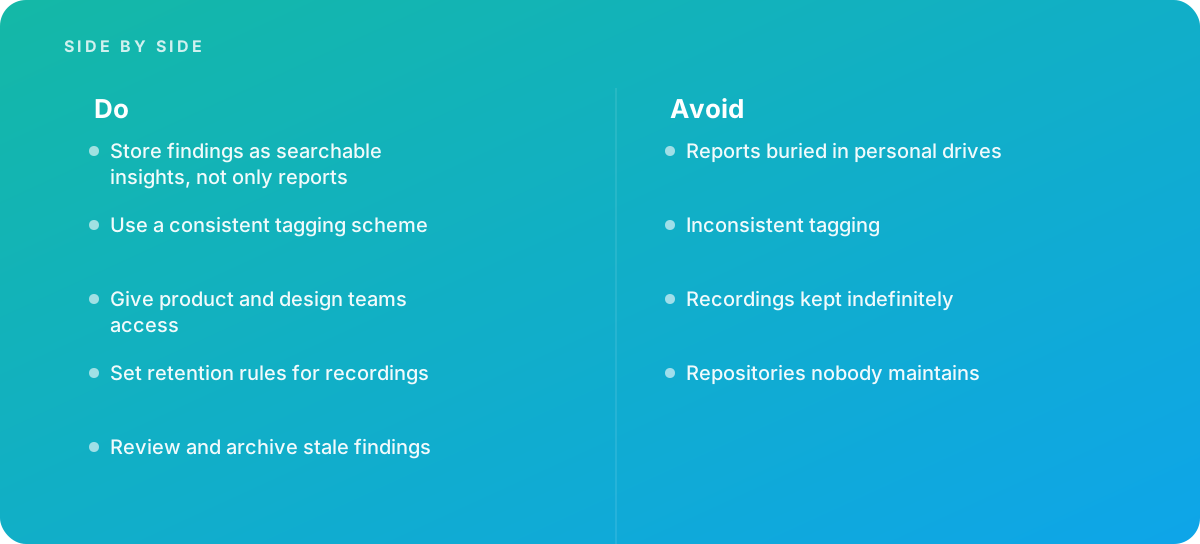
- Store findings as searchable insights, not only reports
- Use a consistent tagging scheme
- Give product and design teams access
- Set retention rules for recordings
- Review and archive stale findings
Where it goes wrong
Avoid:
- Reports buried in personal drives
- Inconsistent tagging
- Recordings kept indefinitely
- Repositories nobody maintains
The numbers behind it
| Measure | Figure |
|---|---|
| Tagging | findings need consistent tags to be findable |
| Atomic insights | small reusable findings are easier to search than full reports |
| Access | teams beyond research need access |
| Retention | recordings contain personal data with retention limits |
Getting outside help
When to hand it over: Bring in help when research findings keep getting lost.
Where this comes from
- Nielsen Norman Group — Research repositories
- California Privacy Protection Agency — CCPA regulations
The figures and practices above come from the sources listed.
Working on something like this?
We take on UI & UX Design work for teams who want it done once, properly. Tell us what you are building and we will tell you honestly whether we are the right studio for it. Start a project.
Where to go next
Spotted something wrong? Report an error on this page. We correct on the page and say what changed.