Procedural Materials, Done Properly
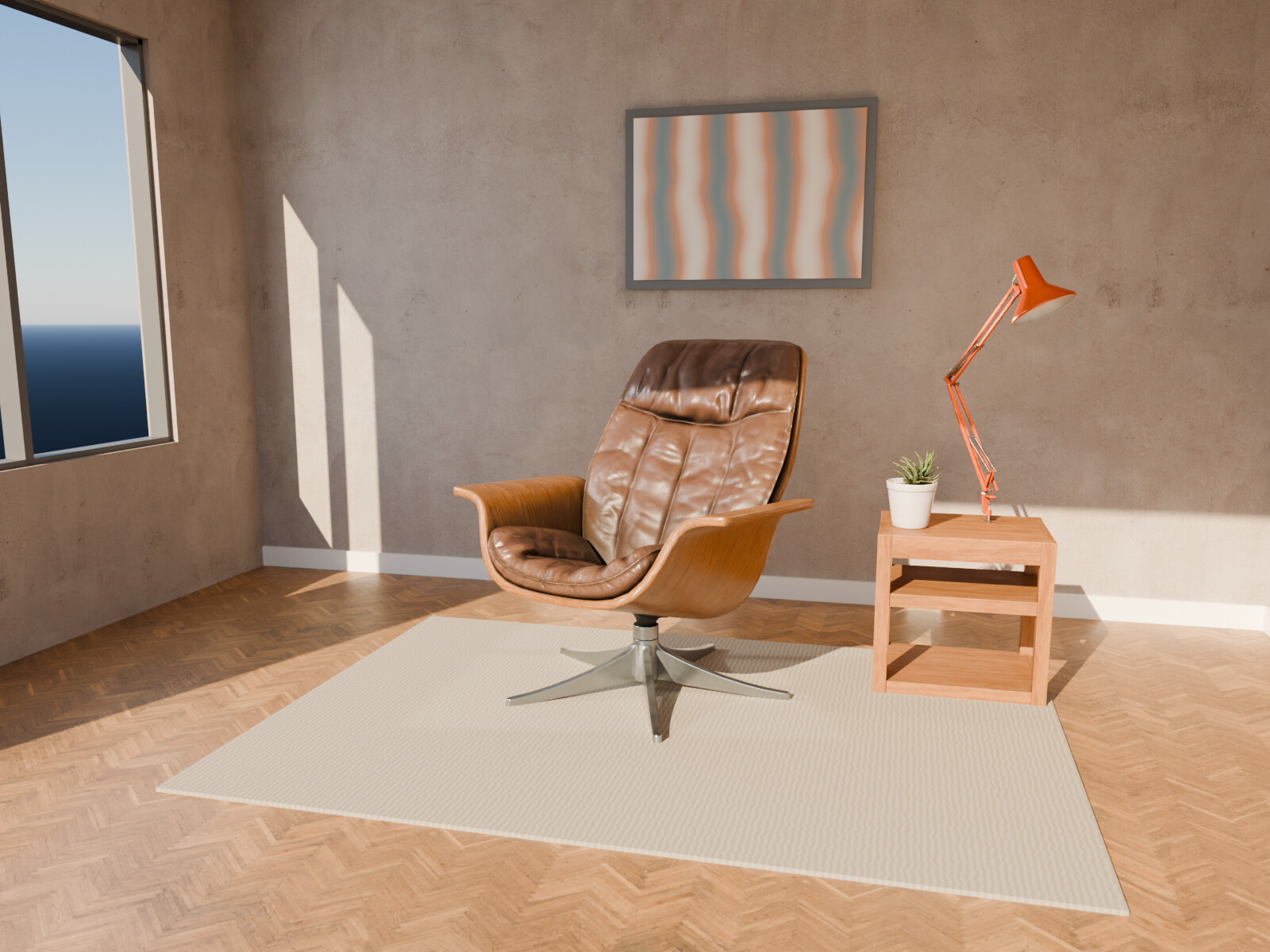
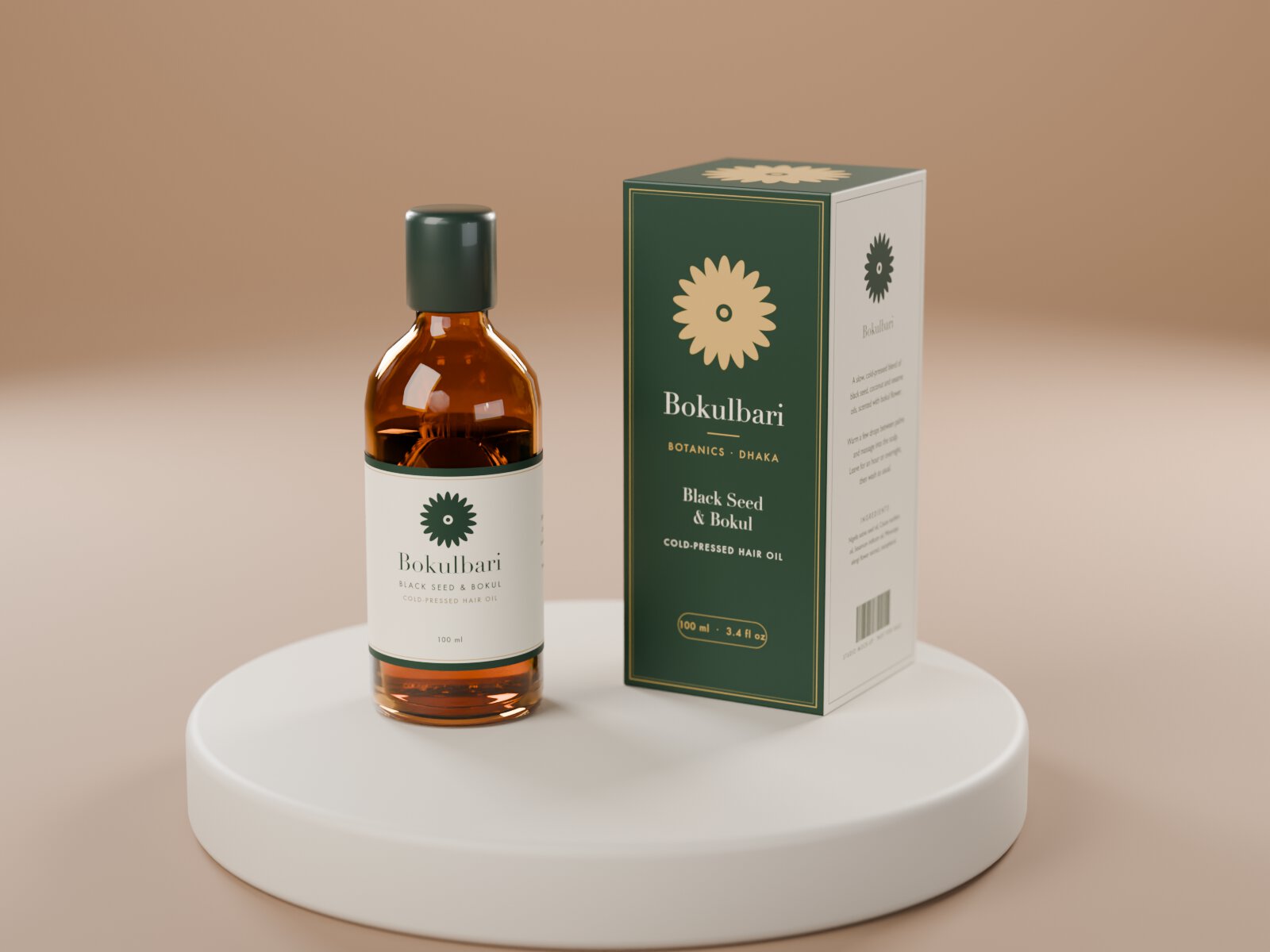
Materials built from node graphs and noise functions rather than painted texture maps.
 MediaScaleUp Editorial Team
The key figures
- Node graphs
- materials are built from connected operations
- Parameters
- expose controls such as wear, color and scale
- Resolution independence
- procedural detail does not pixelate
- Baking
- procedural materials can be baked to textures for engines
Why this is worth getting right
Procedural materials resolve at any scale, can be varied endlessly and stay editable late in a project.
Do this, not that
Do
- Expose a few meaningful parameters
- Build variation into one material rather than many
- Bake to textures for real-time use
- Document parameter ranges
- Test materials on real geometry
Don’t
- Node graphs nobody can maintain
- Dozens of near-identical materials
- Unbaked procedurals in real-time projects
- Parameters with no sensible limits
When to bring in help
Our advice Bring in help when product ranges need material variations.
Where this comes from
- Adobe Help Center — Substance 3D Designer User Guide
- Blender Foundation — Blender Manual: Shader nodes
The figures and practices above come from the sources listed.
Working on something like this?
We take on 3D Design & Development work for teams who want it done once, properly. Tell us what you are building and we will tell you honestly whether we are the right studio for it. Start a project.
Where to go next
Spotted something wrong? Report an error on this page. We correct on the page and say what changed.