Skip to content
3D Design & Development

Tileable Textures and Trim Sheets, Done Properly

Textures that repeat seamlessly and sheets of reusable detail strips used across many surfaces.

MediaScaleUp Editorial Team 2 min read 8 views
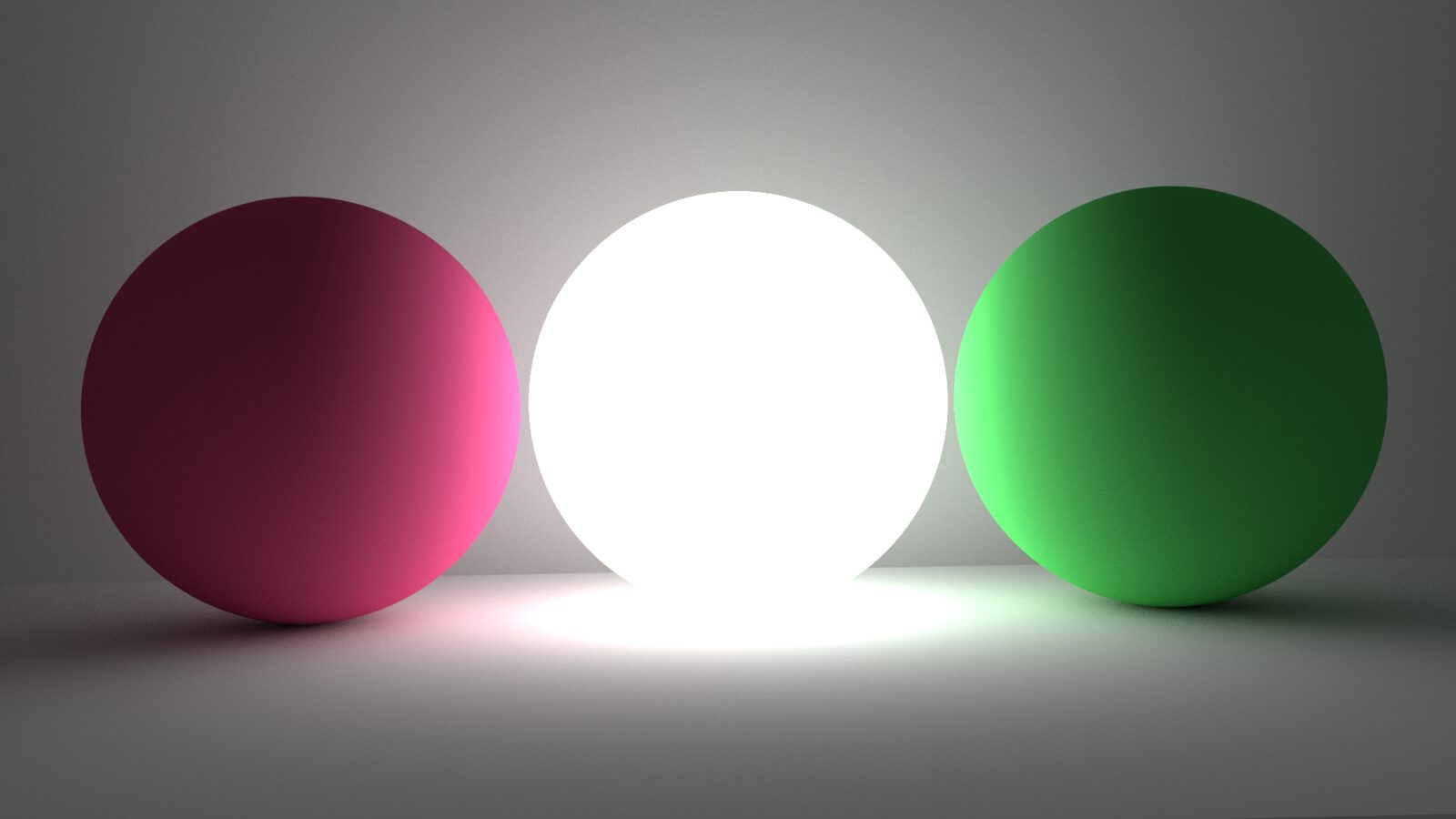
Tileable Textures and Trim Sheets, Done Properly

At a glance

  • Tiling textures repeat across a surface
  • Trim sheets hold reusable strips of detail such as edges and panels
  • Memory reuse reduces texture memory dramatically
  • Repetition obvious repeats break the illusion

Why it matters

Why it matters: They let large environments look detailed without enormous unique textures, which matters for real-time work.

Best practice

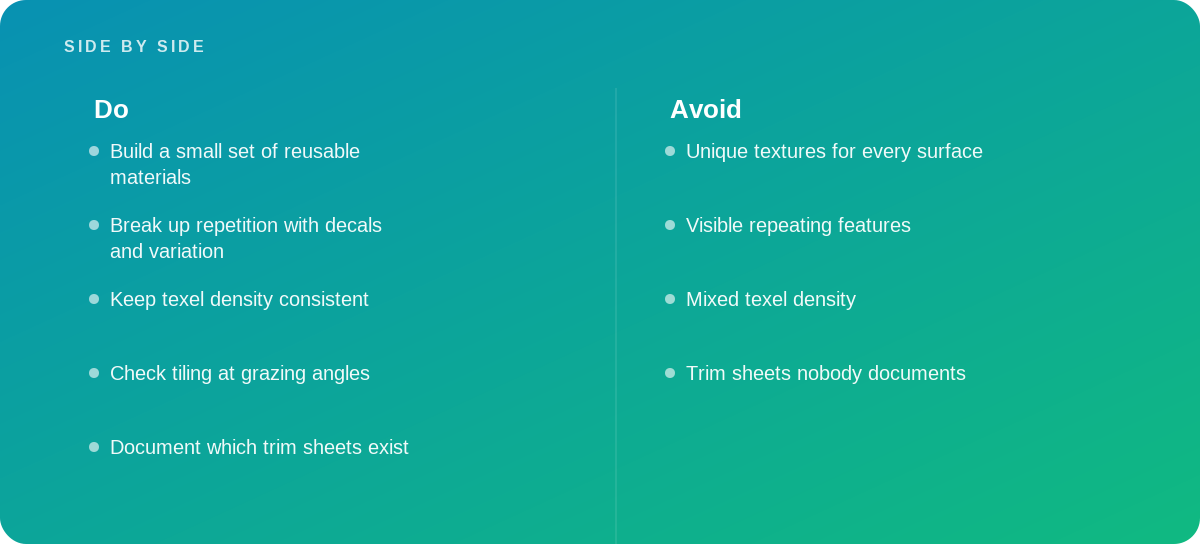
  • Build a small set of reusable materials
  • Break up repetition with decals and variation
  • Keep texel density consistent
  • Check tiling at grazing angles
  • Document which trim sheets exist
What to do and what to avoid with tileable textures and trim sheets, side by side
Good practice against the usual mistakes, from the sources listed below.

Common pitfalls

Watch out for:

  • Unique textures for every surface
  • Visible repeating features
  • Mixed texel density
  • Trim sheets nobody documents

When to call in a specialist

Bottom line Bring in help when real-time environments hit memory limits.

Where this comes from

The figures and practices above come from the sources listed.

Working on something like this?

We take on 3D Design & Development work for teams who want it done once, properly. Tell us what you are building and we will tell you honestly whether we are the right studio for it. Start a project.

Where to go next

Spotted something wrong? Report an error on this page. We correct on the page and say what changed.
All services

The work behind this article, and what it costs.

See it in practice

All the work
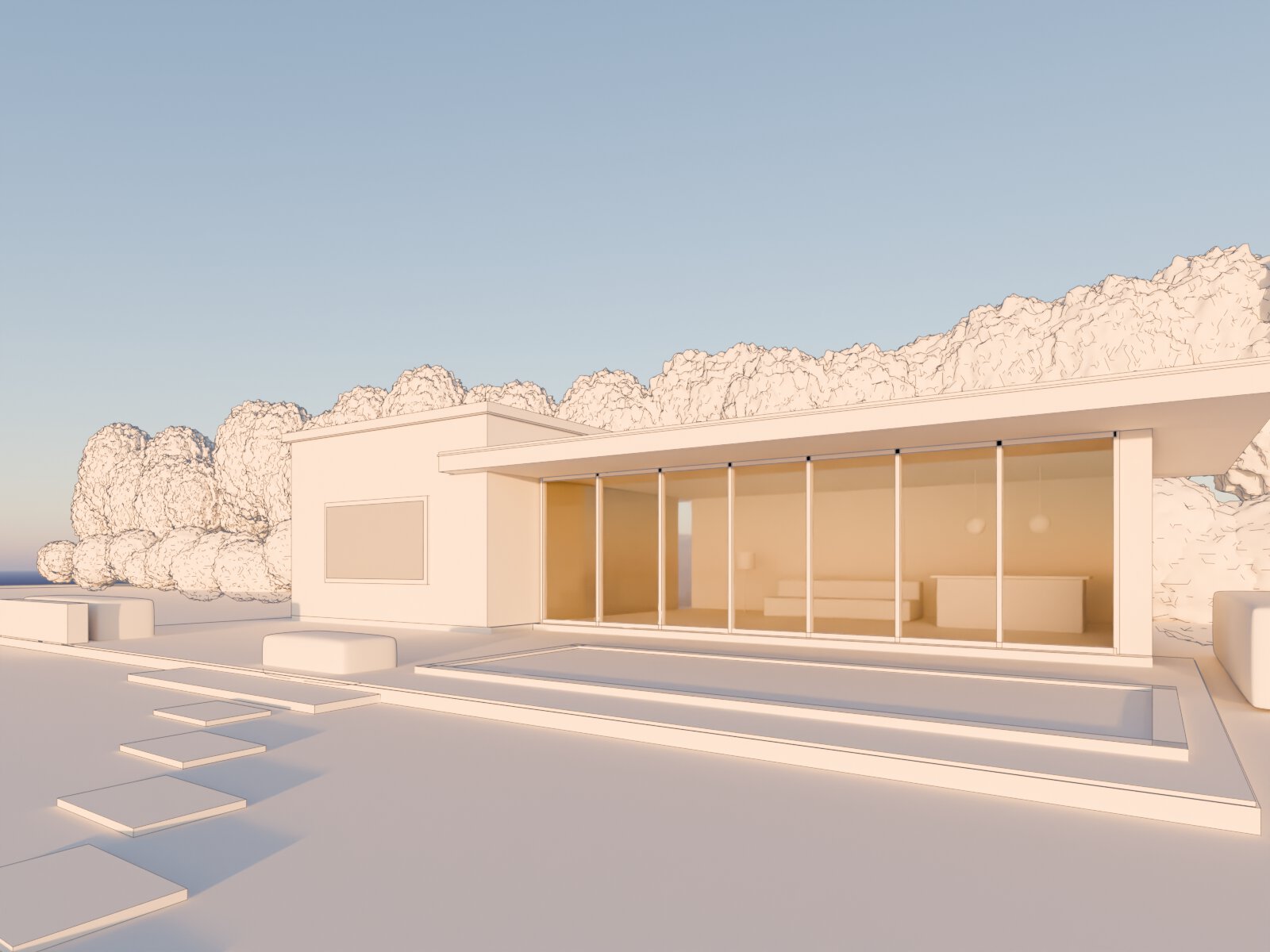
Before: Architectural Exterior: Clay Massing to Photoreal Daylight Render
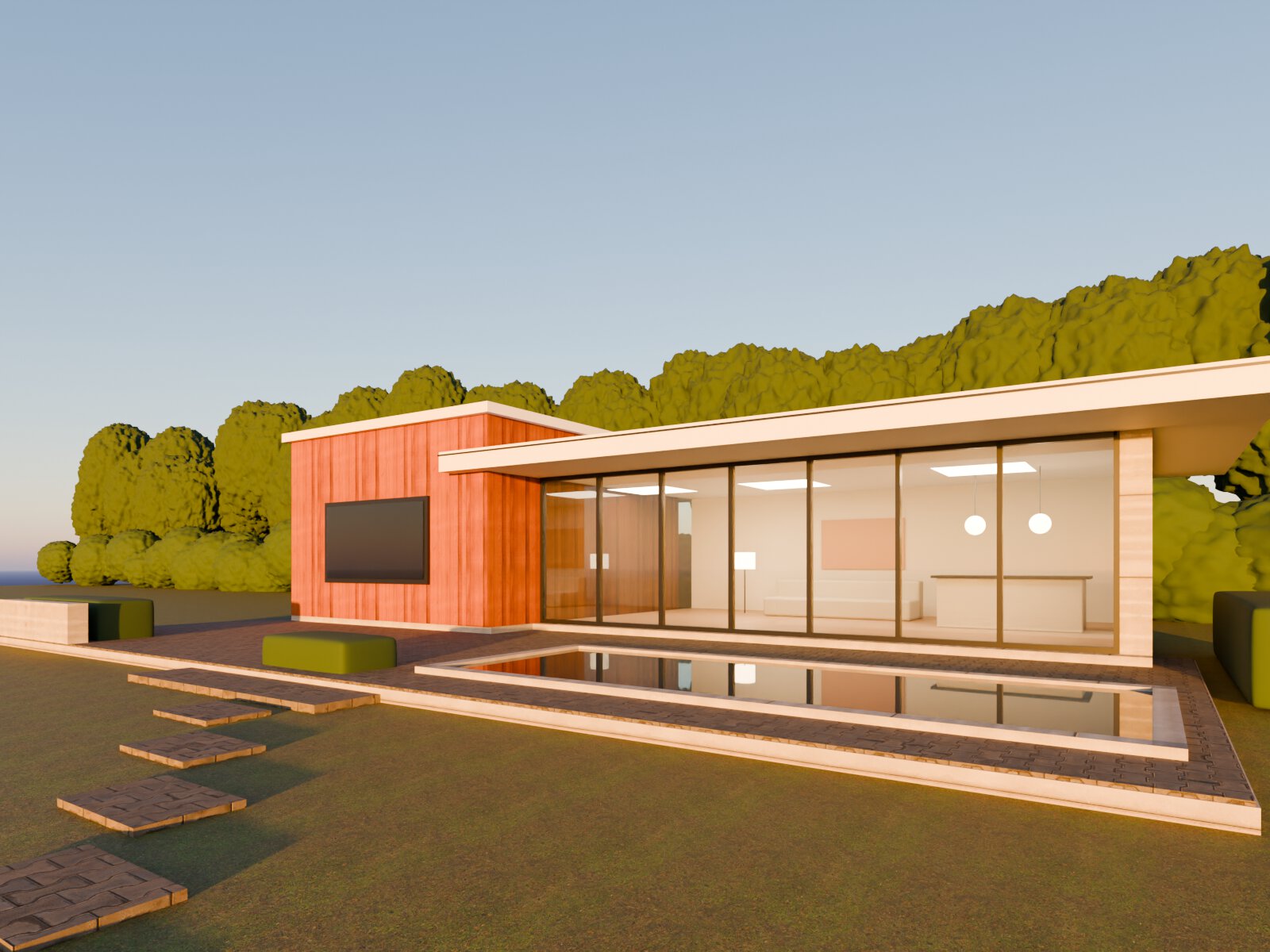
After: Architectural Exterior: Clay Massing to Photoreal Daylight Render
Clay massing study Final exterior render

Architectural Exterior: Clay Massing to Photoreal Daylight Render

Architectural modeling, timber and concrete materials, glass and water shaders, landscaping, sun-and-sky lighting, Cycles

Studio demo on a public-domain photo, not a client job

House & Building Modeling Real Estate & Architecture 5-7 days

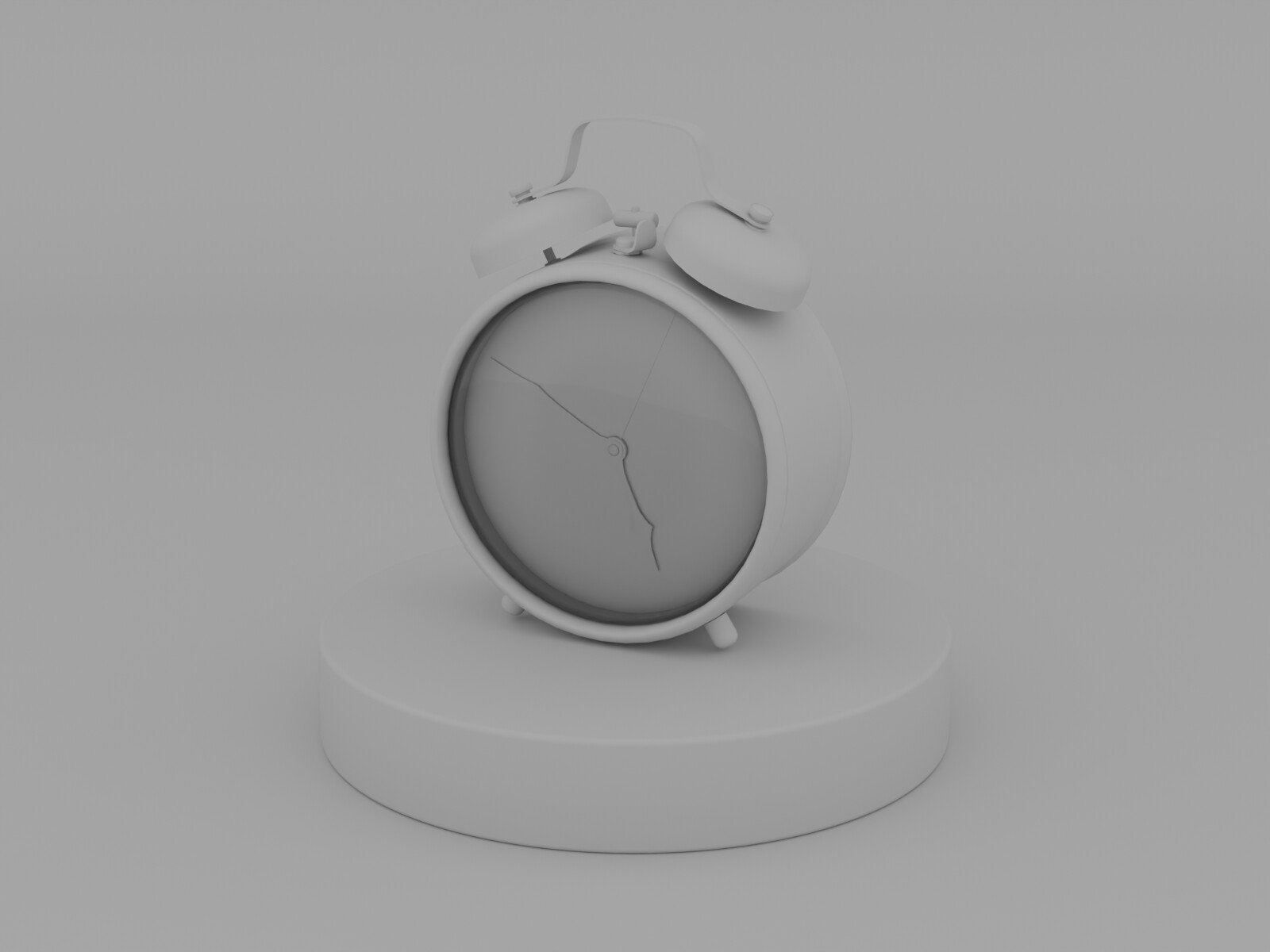
Before: 3D Product Render: Clay Model to Finished Studio Shot
After: 3D Product Render: Clay Model to Finished Studio Shot
Clay render Final render

3D Product Render: Clay Model to Finished Studio Shot

Blender Cycles, PBR materials, custom thin-glass shader, HDRI plus key/fill/rim area lights, curved cyclorama, pedestal, depth of field, AgX color management

Studio demo on a public-domain photo, not a client job

Watch the video

Product Lighting E-commerce & Product 2-3 days

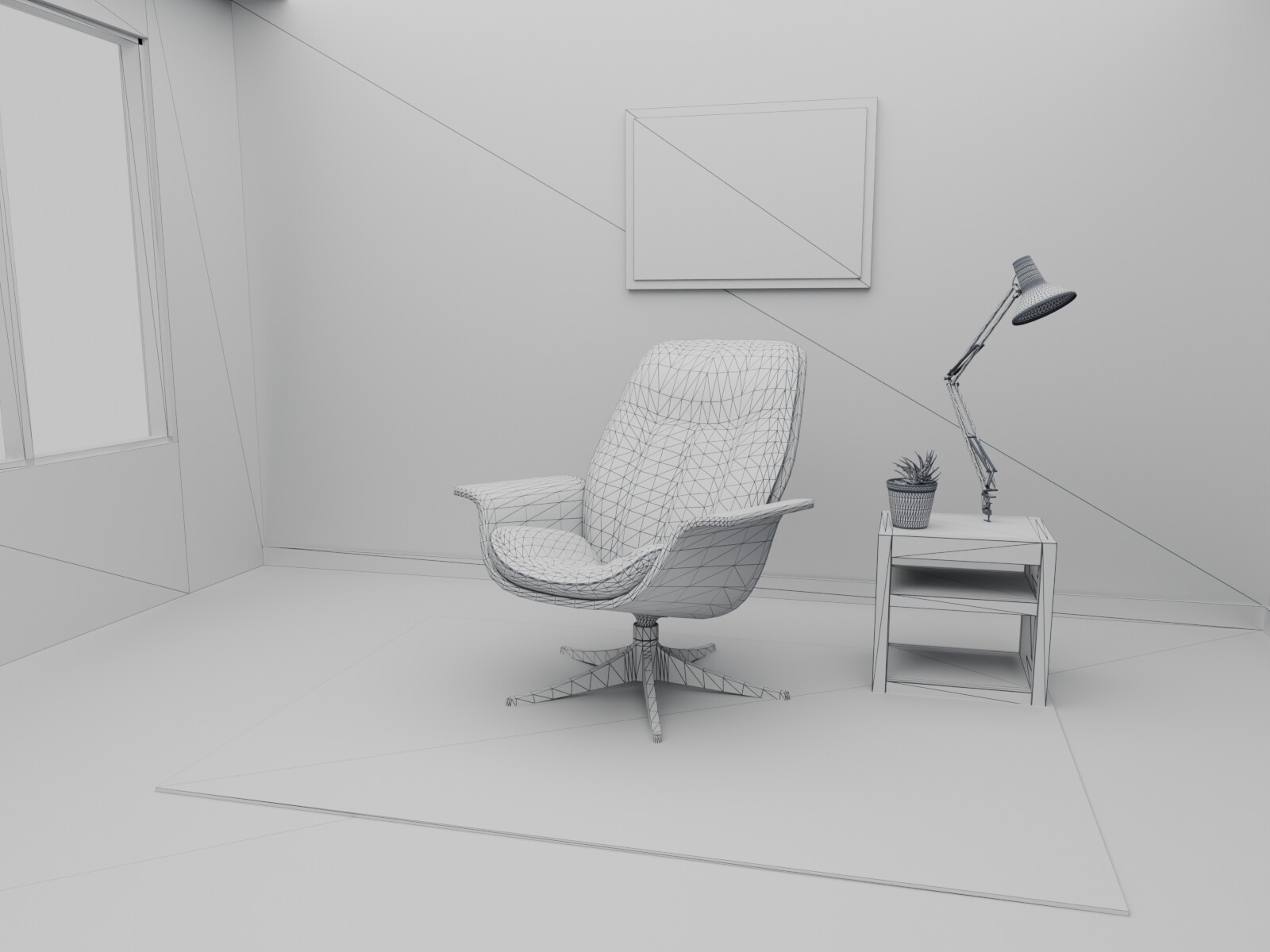
Before: 3D Interior Scene: Wireframe to Sunlit Final Render
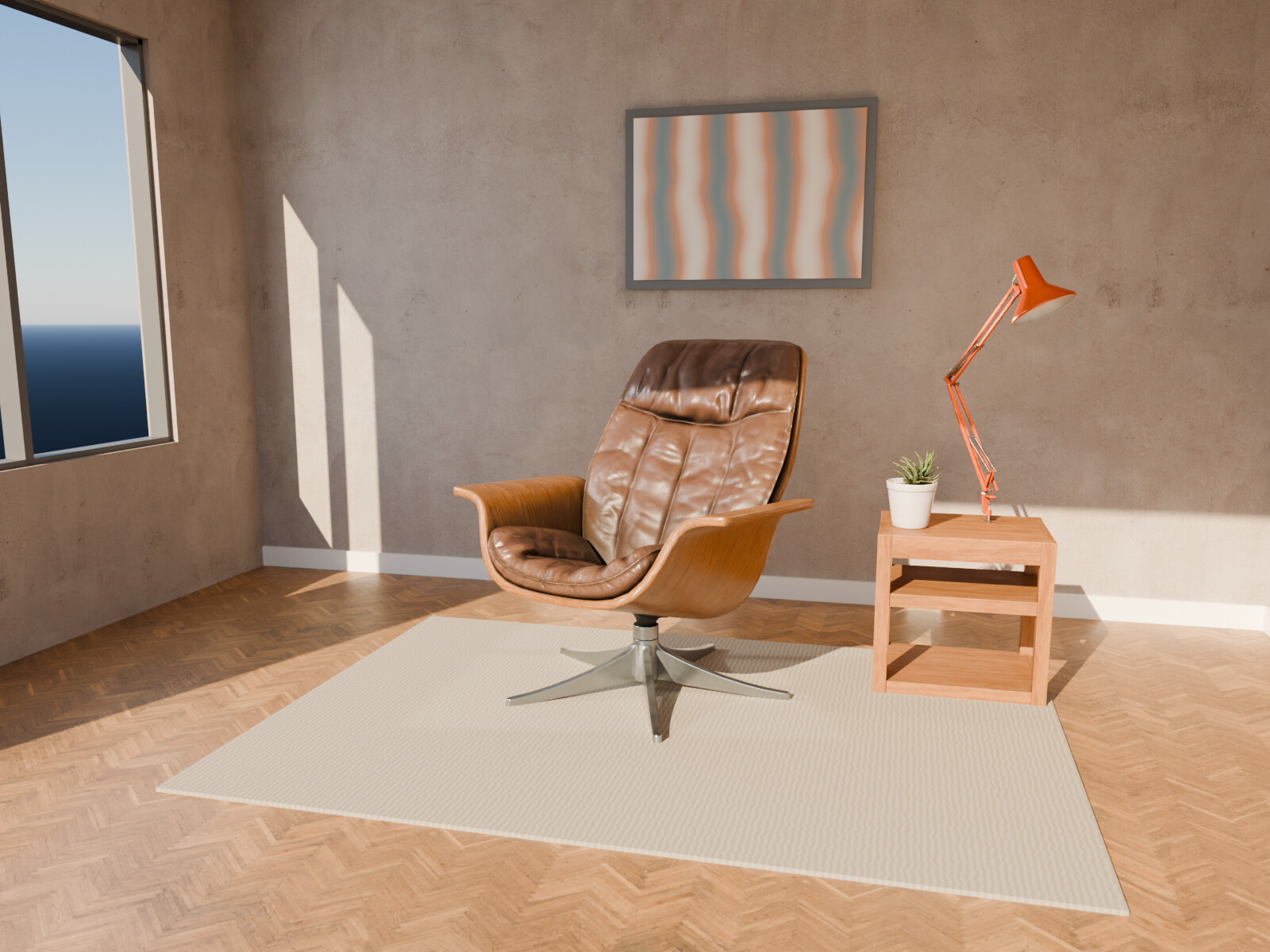
After: 3D Interior Scene: Wireframe to Sunlit Final Render
Wireframe / clay Final render

3D Interior Scene: Wireframe to Sunlit Final Render

Blender Cycles scene layout, PBR textures, procedural shaders, sun + sky + window fill lighting, practical lamp, depth of field, AgX color management

Studio demo on a public-domain photo, not a client job

Architectural Visualization Real Estate & Interior Design 3-5 days

MediaScaleUp Editorial Team

Articles here are researched, written and checked by the MediaScaleUp studio team before they are published, and dated when they are reviewed.

Keep reading

More in 3D Design & Development