A Practical Guide to Design Critique and Review
A structured way of getting useful feedback on work in progress, as opposed to opinions about taste.
 Priya Raghunathan

At a glance
- Framing critique against stated goals, not personal preference
- Stage feedback should match the fidelity of the work
- Roles someone presenting, someone facilitating, and participants briefed
- Decision a critique should end with a decision or a clear next step
- Documentation decisions recorded, or they are relitigated
Why it matters
Why it matters: Unstructured review produces contradictory instructions from whoever is most senior, and the designer is left reconciling them alone.
Best practice
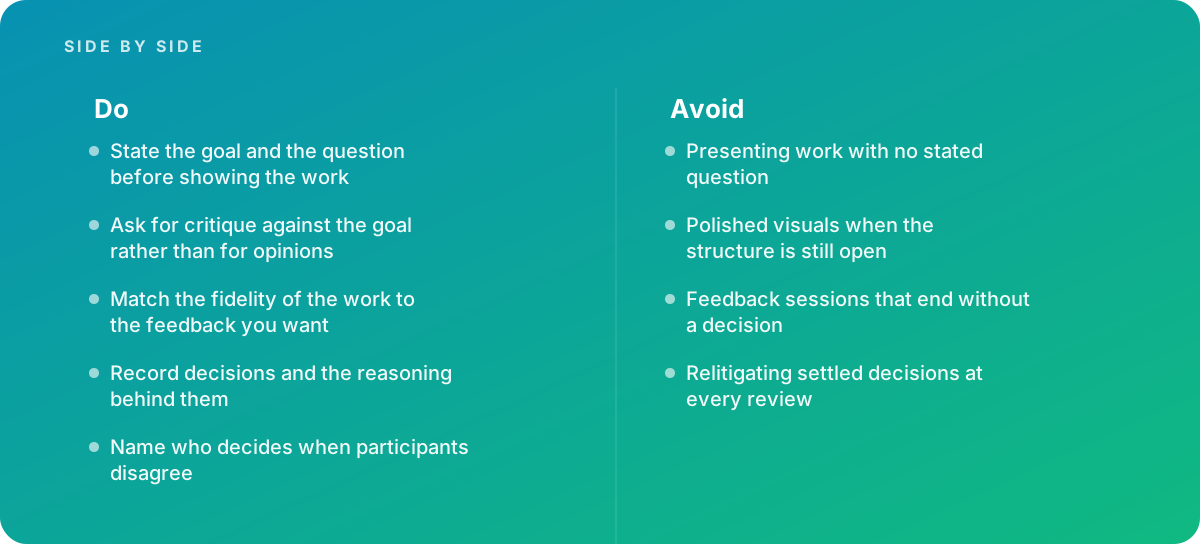
- State the goal and the question before showing the work
- Ask for critique against the goal rather than for opinions
- Match the fidelity of the work to the feedback you want
- Record decisions and the reasoning behind them
- Name who decides when participants disagree
Common pitfalls
Watch out for:
- Presenting work with no stated question
- Polished visuals when the structure is still open
- Feedback sessions that end without a decision
- Relitigating settled decisions at every review
When to call in a specialist
Bottom line Bring in help when reviews produce contradictory direction, when decisions keep being reopened, or when a team needs a critique process.
Where this comes from
- Nielsen Norman Group — Design critique
- GOV.UK Service Manual — Design reviews
- Interaction Design Foundation — Collaborative design
The figures and practices above come from the sources listed.
Working on something like this?
We take on UI & UX Design work for teams who want it done once, properly. Tell us what you are building and we will tell you honestly whether we are the right studio for it. Start a project.
Where to go next
Spotted something wrong? Report an error on this page. We correct on the page and say what changed.