Service Blueprints, Done Properly
A diagram that maps a service across the customer's actions, the frontstage staff and systems they see, and the backstage processes that support them.
 Priya Raghunathan

Why does it matter?
Many customer problems originate behind the scenes, and blueprints make the connections between customer experience and operations visible.
What are the numbers?
- Lanes customer actions, frontstage, backstage and support processes
- Line of visibility separates what customers see from what they do not
- Relationship to journey maps blueprints add the internal processes
- Use improving services that span teams and channels
What should I do?
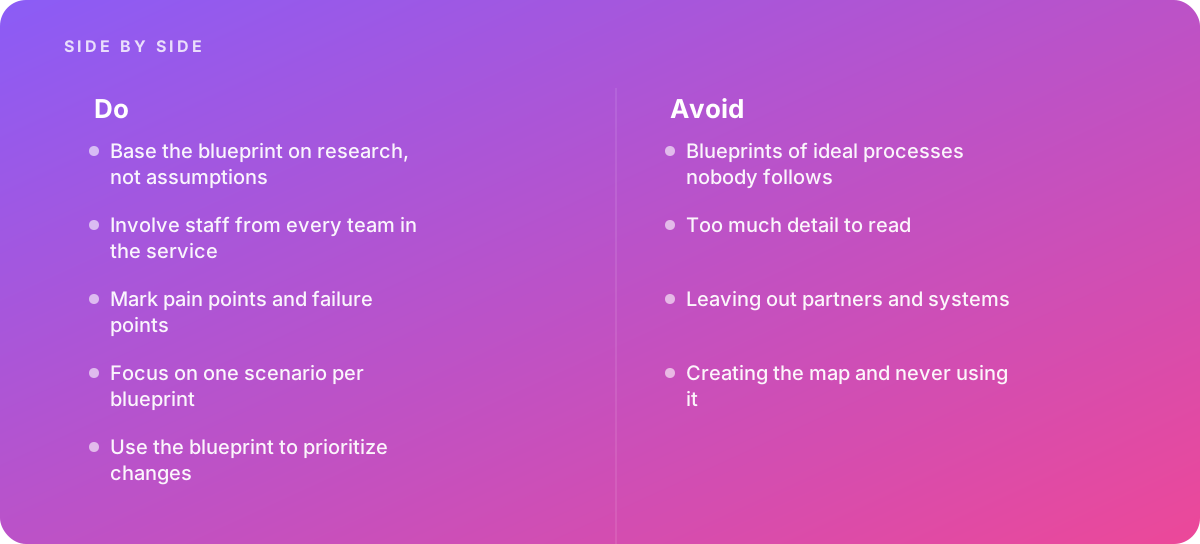
- Base the blueprint on research, not assumptions
- Involve staff from every team in the service
- Mark pain points and failure points
- Focus on one scenario per blueprint
- Use the blueprint to prioritize changes
What should I avoid?
Avoid:
- Blueprints of ideal processes nobody follows
- Too much detail to read
- Leaving out partners and systems
- Creating the map and never using it
When should I get help?
Short answer Bring in help when customer problems cross several departments, or when redesigning a service.
Where this comes from
- Nielsen Norman Group — Service blueprints: definition
- GOV.UK Service Manual — Service design
The figures and practices above come from the sources listed.
Working on something like this?
We take on UI & UX Design work for teams who want it done once, properly. Tell us what you are building and we will tell you honestly whether we are the right studio for it. Start a project.
Where to go next
Spotted something wrong? Report an error on this page. We correct on the page and say what changed.