How to Get Scientific Image Integrity Right
Rules for adjusting images used in research, publications and technical documentation.
 MediaScaleUp Editorial Team
Where most projects go wrong
The usual mistakes:
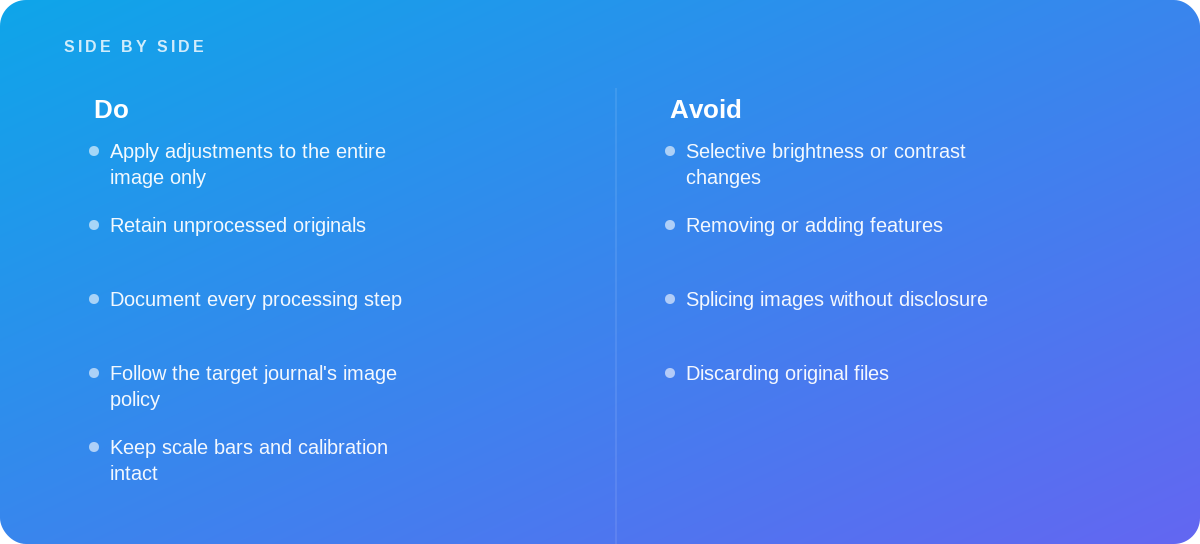
- Selective brightness or contrast changes
- Removing or adding features
- Splicing images without disclosure
- Discarding original files
What good looks like instead
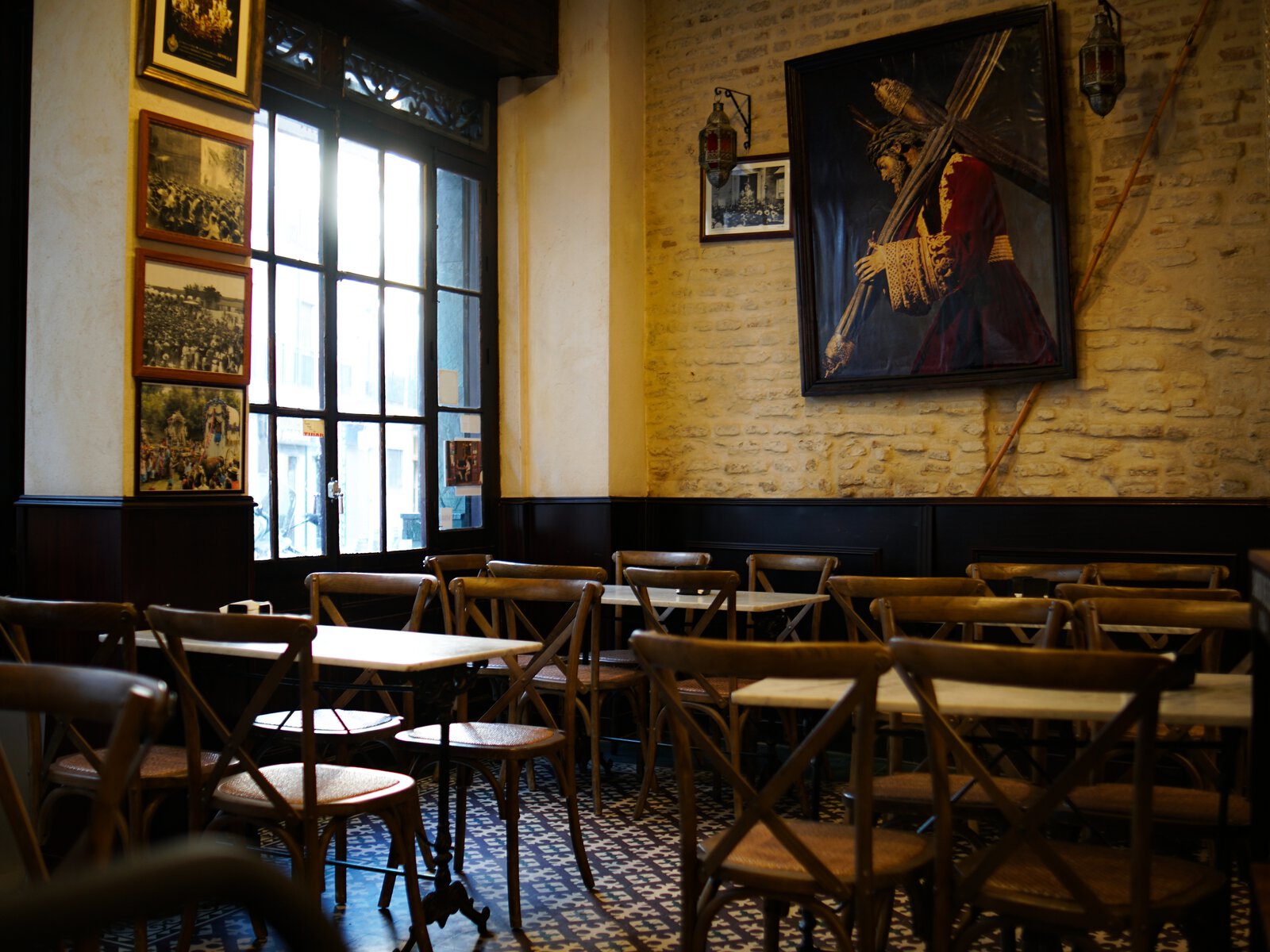
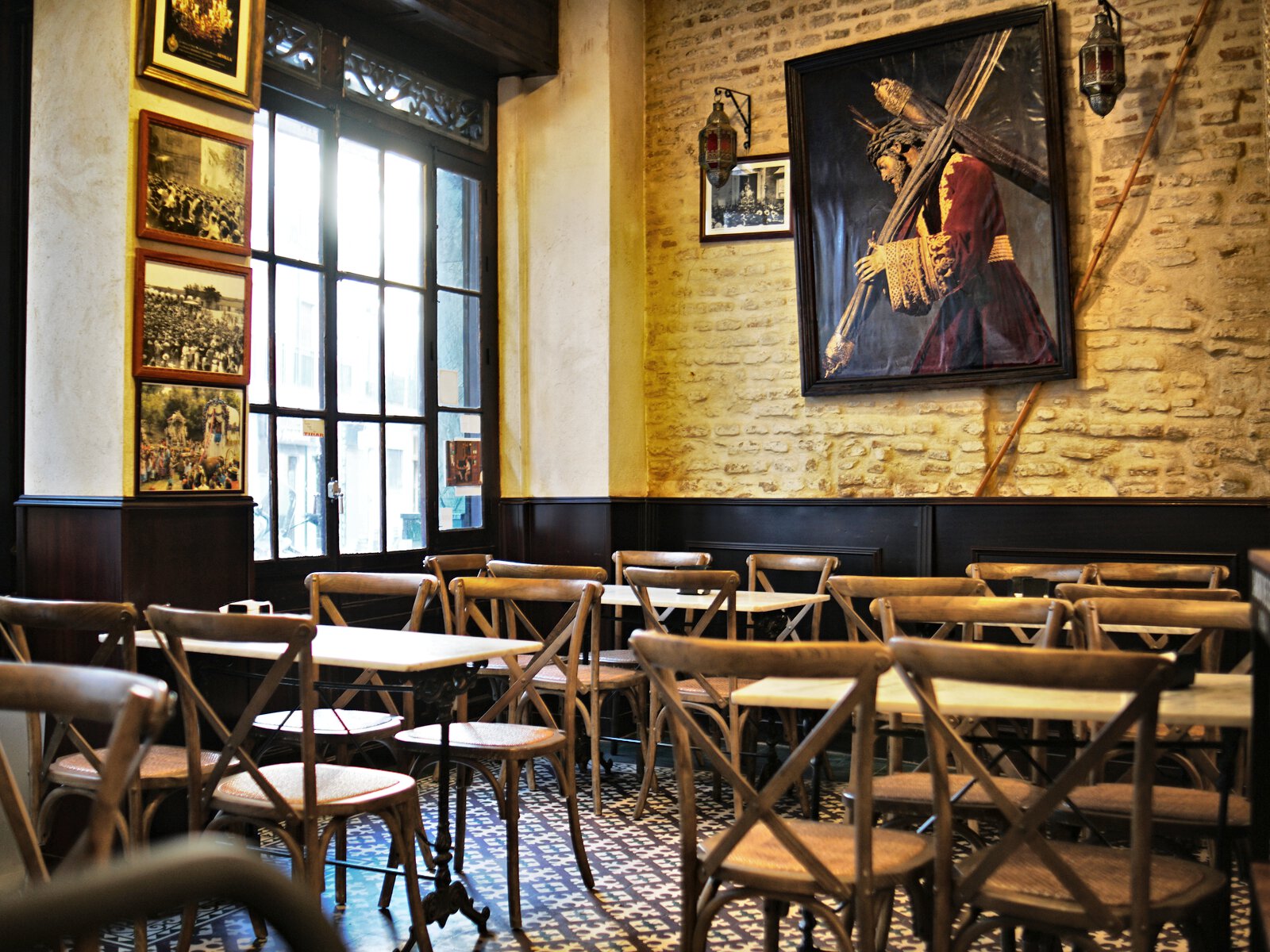
- Apply adjustments to the entire image only
- Retain unprocessed originals
- Document every processing step
- Follow the target journal's image policy
- Keep scale bars and calibration intact
Why it matters
Scientific images are data, and adjustments that change what they show are treated as misconduct.
The specs that matter
| Measure | Figure |
|---|---|
| Permissible adjustments | adjustments must apply to the whole image |
| Selective editing | changing parts of an image is generally prohibited |
| Originals | raw files must be retained |
| Disclosure | processing steps should be documented |
Knowing when to hand it over
Tip: Bring in help when images support published research.
Where this comes from
- National Institute of Standards and Technology — Research integrity
- IPTC — Photo Metadata Standard
The figures and practices above come from the sources listed.
Working on something like this?
We take on Image Editing & Retouching work for teams who want it done once, properly. Tell us what you are building and we will tell you honestly whether we are the right studio for it. Start a project.
Where to go next
Spotted something wrong? Report an error on this page. We correct on the page and say what changed.