Skip to content
Photography & Product Visuals

How to Get Color Temperature and Kelvin Right

How warm or cool light appears, measured in kelvin, and how photographers match light sources and white balance to it.

MediaScaleUp Editorial Team 2 min read 11 views
How to Get Color Temperature and Kelvin Right

What is at stake

Mixed or mismatched color temperatures create color casts that are hard to correct, especially on products that must look accurate.

The playbook

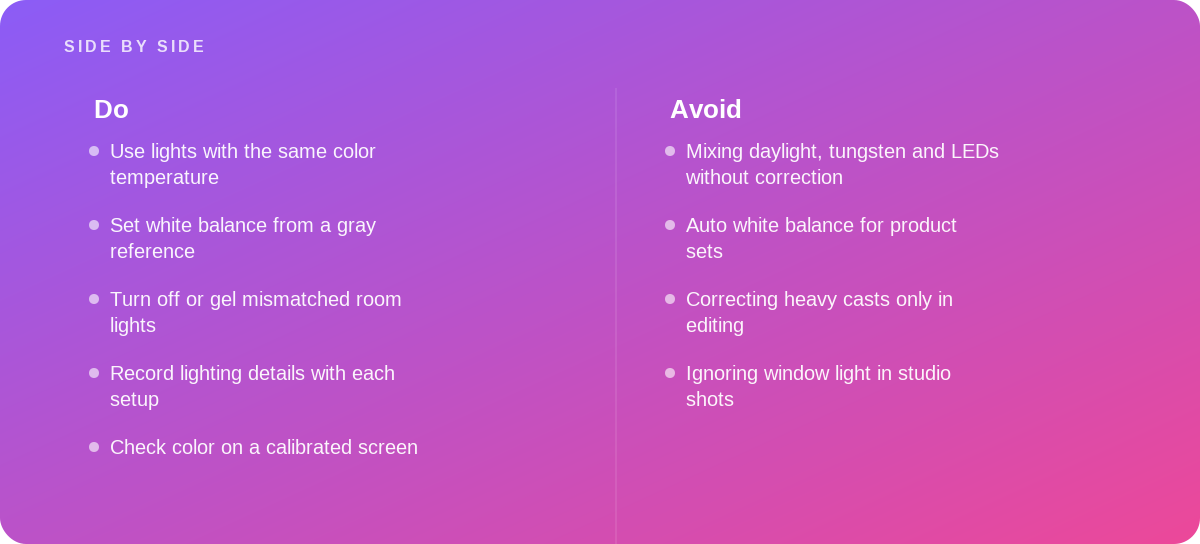
  1. Use lights with the same color temperature
  2. Set white balance from a gray reference
  3. Turn off or gel mismatched room lights
  4. Record lighting details with each setup
  5. Check color on a calibrated screen

Where it goes wrong

Avoid:

  • Mixing daylight, tungsten and LEDs without correction
  • Auto white balance for product sets
  • Correcting heavy casts only in editing
  • Ignoring window light in studio shots
What to do and what to avoid with color temperature and kelvin, side by side
Good practice against the usual mistakes, from the sources listed below.

The numbers behind it

Published figures for Color Temperature and Kelvin
MeasureFigure
Unitkelvin
Daylightcommonly around 5500 to 6500 kelvin
Tungstenaround 3200 kelvin
Mixed lightingdifferent sources in one scene produce uneven casts

Getting outside help

When to hand it over: Bring in help when product colors vary between shots or locations.

Where this comes from

The figures and practices above come from the sources listed.

Working on something like this?

We take on Photography & Product Visuals work for teams who want it done once, properly. Tell us what you are building and we will tell you honestly whether we are the right studio for it. Start a project.

Where to go next

Spotted something wrong? Report an error on this page. We correct on the page and say what changed.
All services

The work behind this article, and what it costs.

See it in practice

All the work
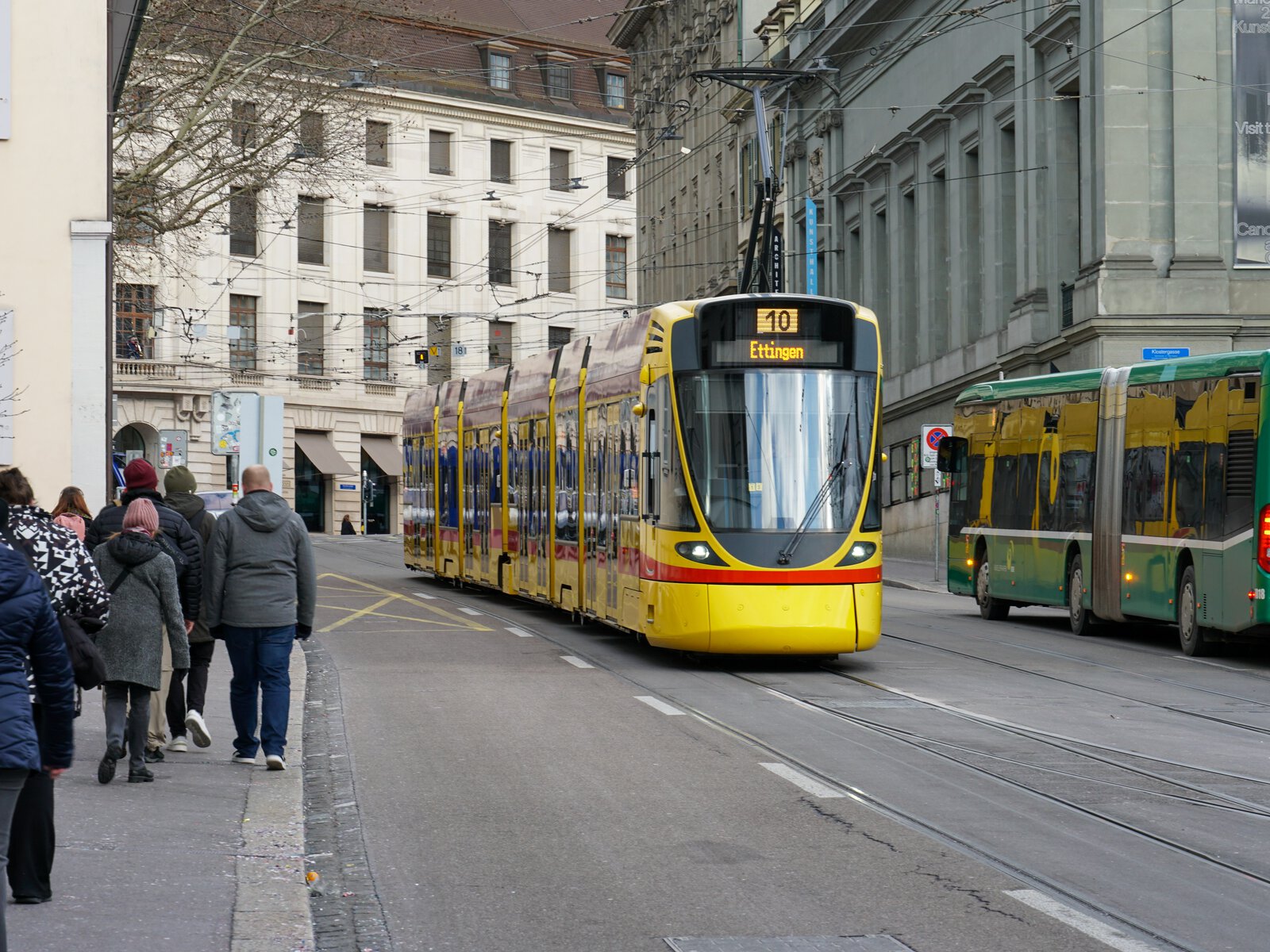
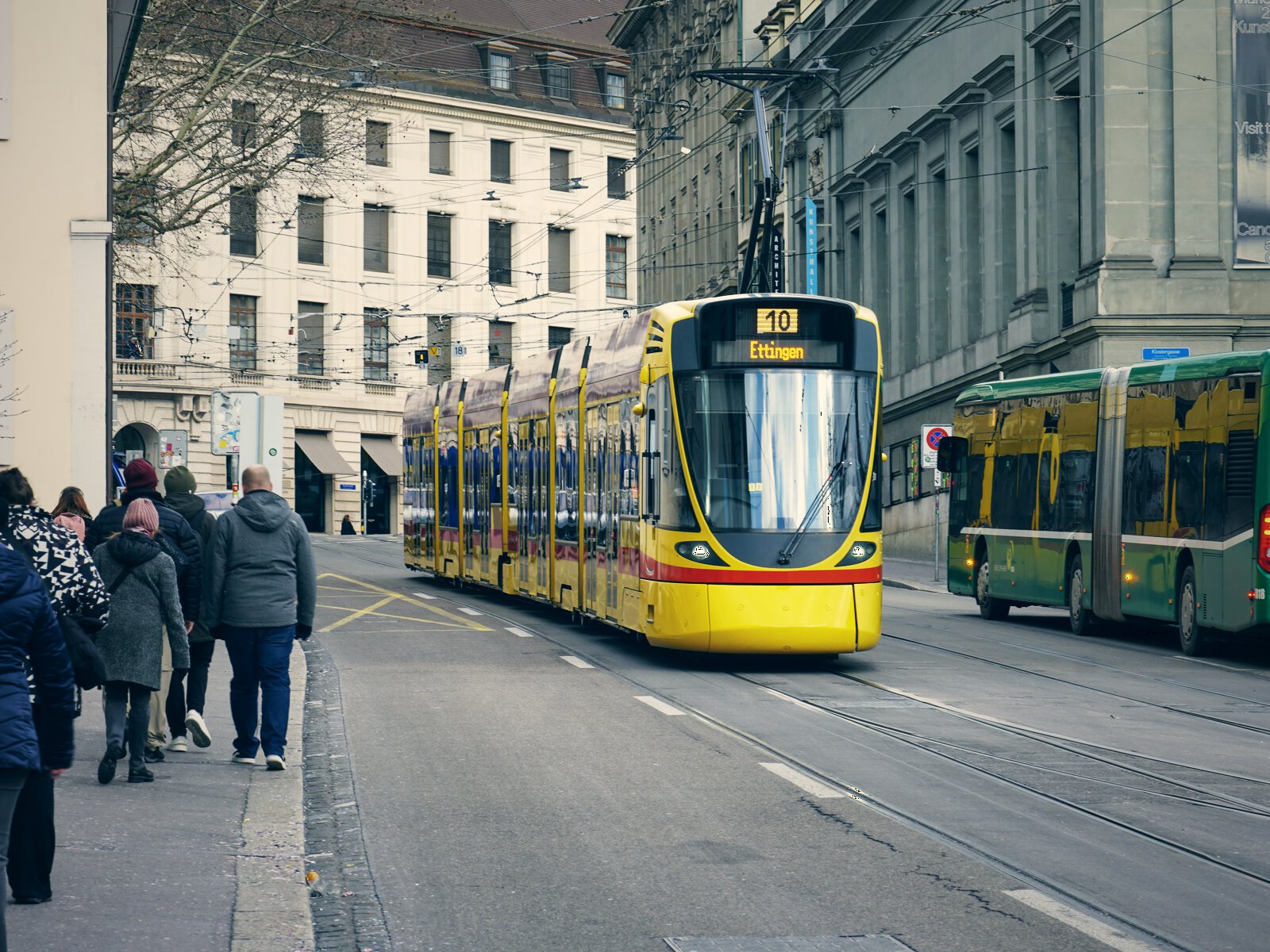
Before: Basel tram street, cinematic teal-and-amber grade
After: Basel tram street, cinematic teal-and-amber grade
Original, flat overcast Cinematic grade

Basel tram street, cinematic teal-and-amber grade

Luminance-weighted split toning, tone curve, fade and vignette

Studio demo on a public-domain photo, not a client job

Color Grading Travel / editorial 24 hours

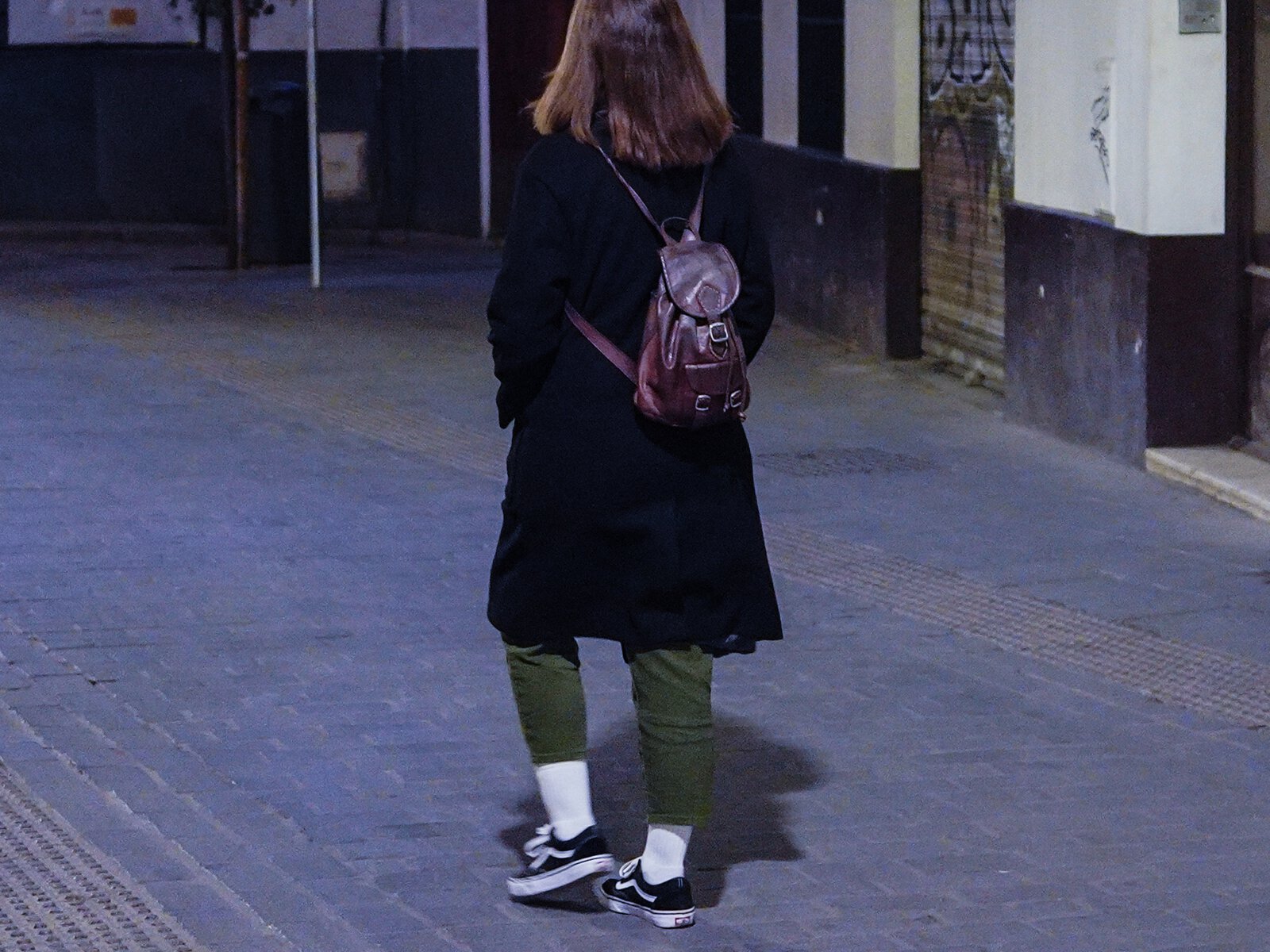
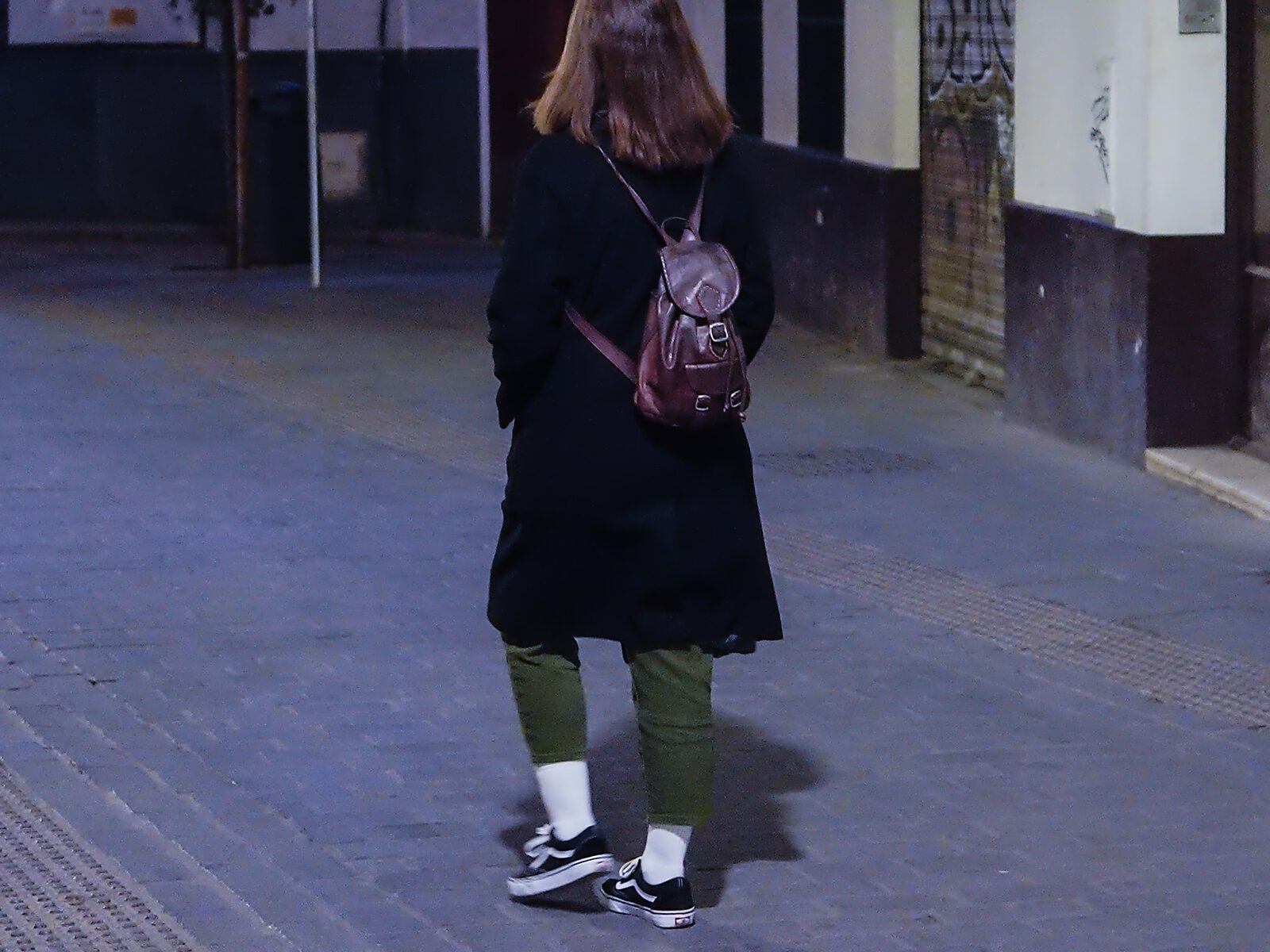
Before: ISO 10,000 night street, noise cleaned and detail restored
After: ISO 10,000 night street, noise cleaned and detail restored
Original, ISO 10,000 noise Denoised and sharpened

ISO 10,000 night street, noise cleaned and detail restored

Wavelet luminance denoise, chroma noise reduction, unsharp mask

Studio demo on a public-domain photo, not a client job

Noise Reduction Event / street photography Same day

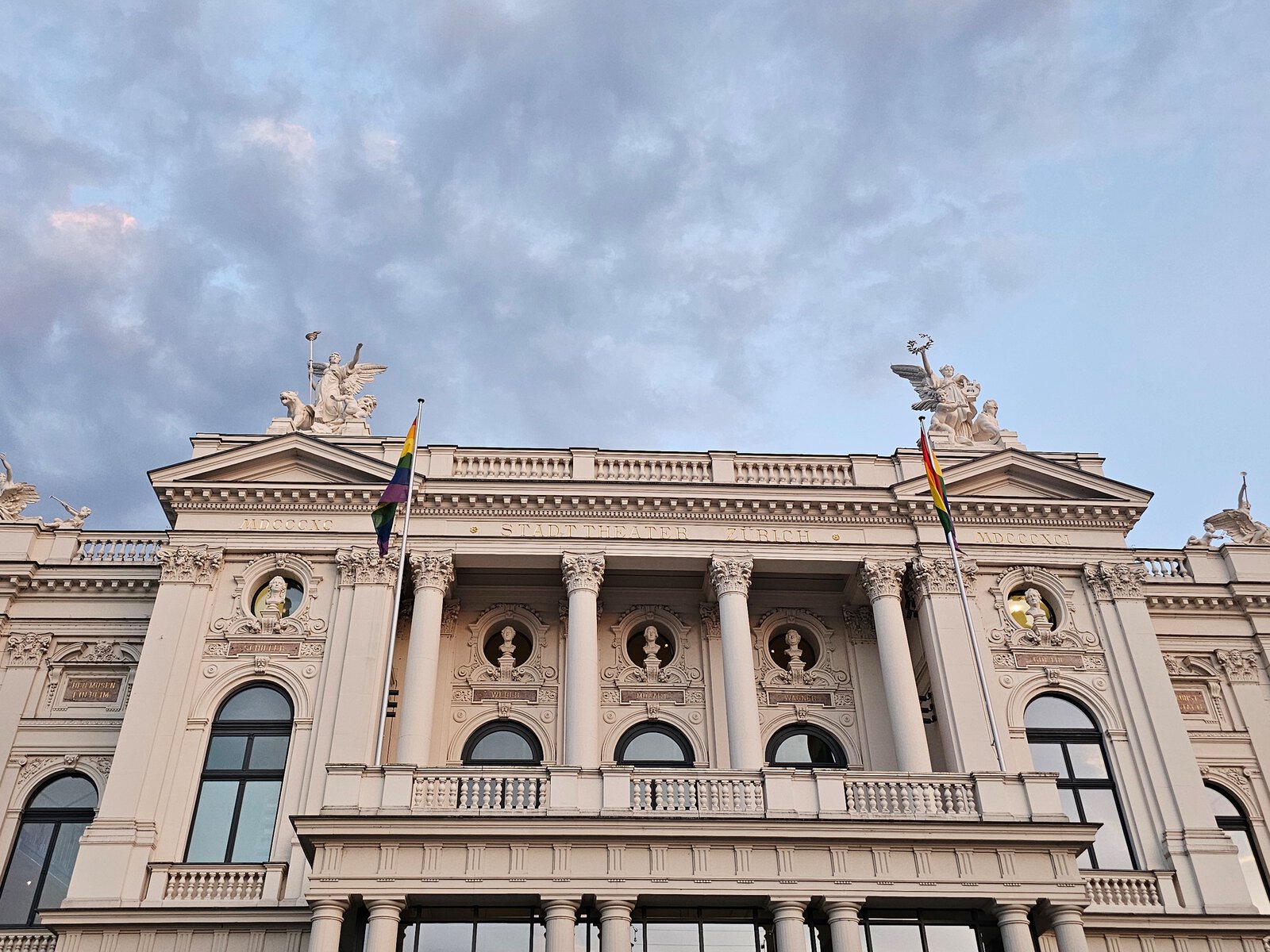
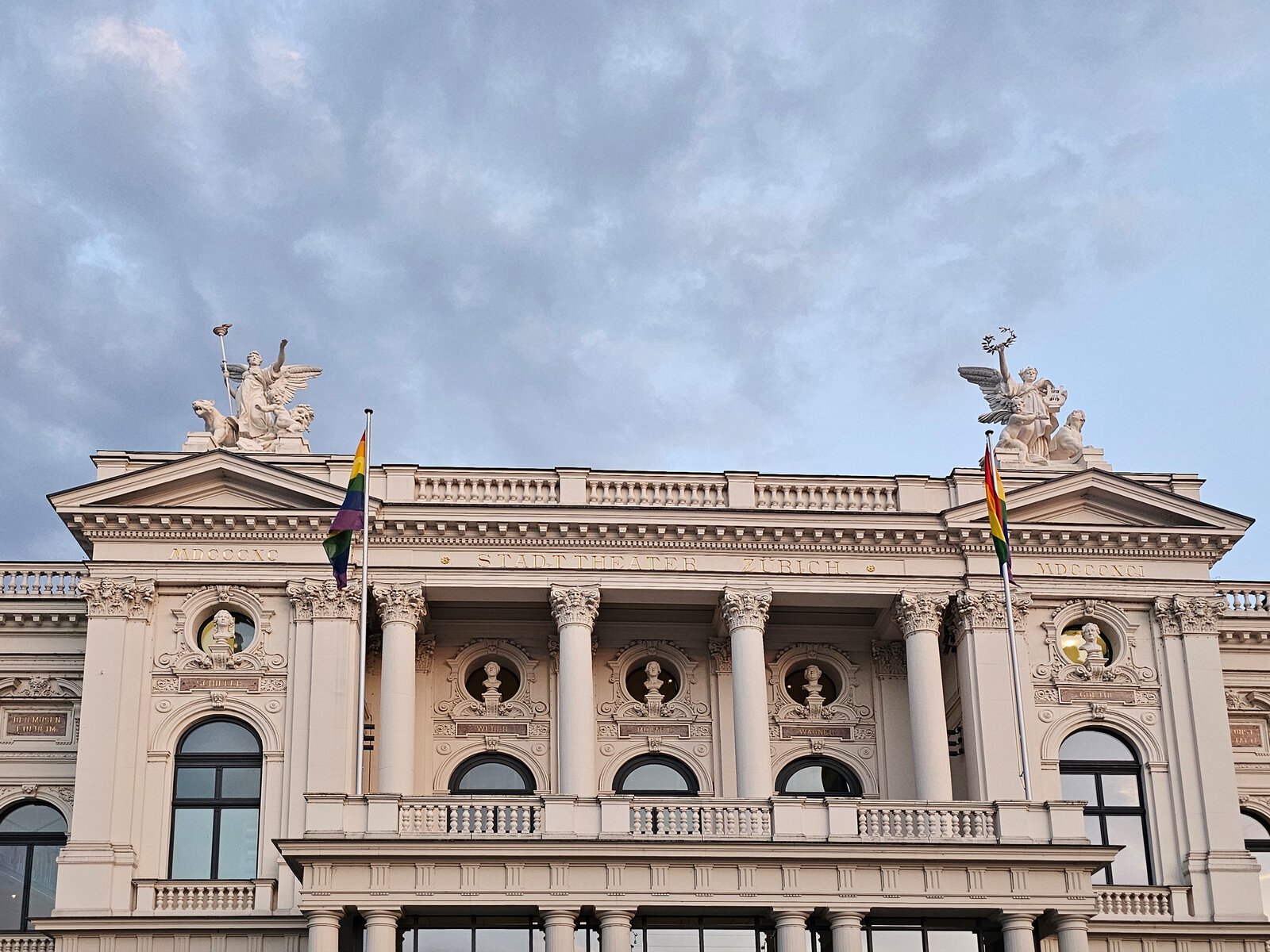
Before: Zurich Opera House, converging verticals straightened
After: Zurich Opera House, converging verticals straightened
Original, verticals leaning in Verticals corrected

Zurich Opera House, converging verticals straightened

Keystone correction with -distort Perspective, matched crop

Studio demo on a public-domain photo, not a client job

Perspective Correction Architecture / real estate Same day

MediaScaleUp Editorial Team

Articles here are researched, written and checked by the MediaScaleUp studio team before they are published, and dated when they are reviewed.

Keep reading

More in Photography & Product Visuals