Variable Fonts for Brands: The Decisions That Matter
Font files that contain a continuous range of styles, such as weights and widths, in a single file.
 Priya Raghunathan

Why does it matter?
Variable fonts give brands flexible typography and can reduce web font requests, but licensing and support need checking.
What are the numbers?
- OpenType variable fonts were introduced in OpenType 1.8 in 2016
- Axes fonts can vary along weight, width and other axes
- CSS font-variation-settings and font-weight ranges control styles
- Performance one file can replace several static fonts
What should I do?
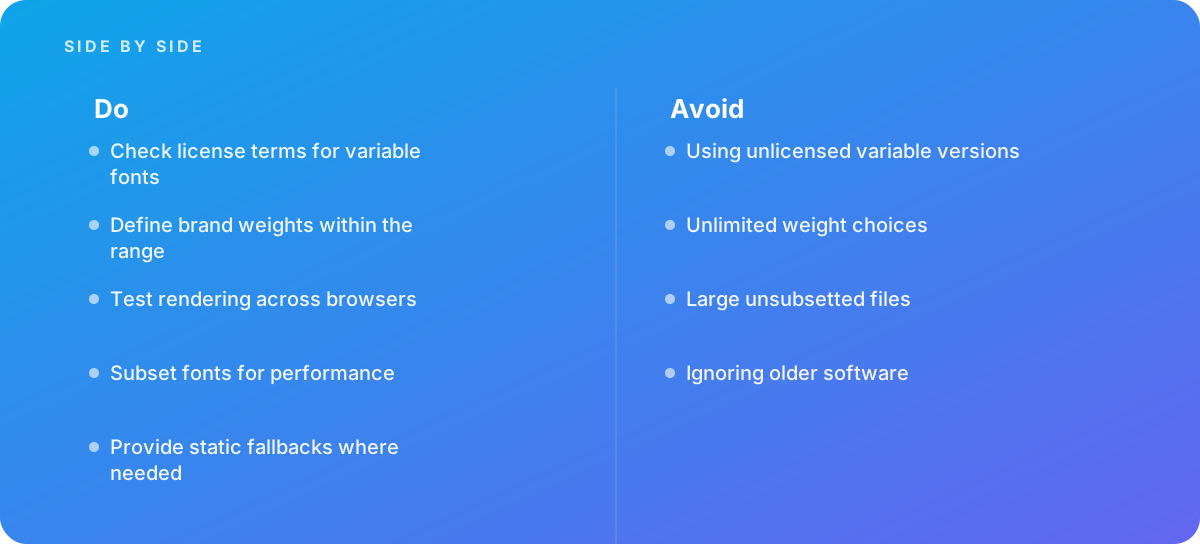
- Check license terms for variable fonts
- Define brand weights within the range
- Test rendering across browsers
- Subset fonts for performance
- Provide static fallbacks where needed
What should I avoid?
Avoid:
- Using unlicensed variable versions
- Unlimited weight choices
- Large unsubsetted files
- Ignoring older software
When should I get help?
Short answer Bring in help when modernizing brand typography.
Where this comes from
- MDN Web Docs — Variable fonts guide
- W3C — CSS Fonts Module Level 4
The figures and practices above come from the sources listed.
Working on something like this?
We take on Brand & Identity Design work for teams who want it done once, properly. Tell us what you are building and we will tell you honestly whether we are the right studio for it. Start a project.
Where to go next
Spotted something wrong? Report an error on this page. We correct on the page and say what changed.