Using Reference Tracks: What Actually Works
Comparing a mix against commercially released material to check tone, balance and loudness.
 Tomas Lindqvist
Why does it matter?
Ears adapt during long sessions, and references reset judgment against a known standard.
What are the numbers?
- Level matching references must be compared at matched loudness
- Genre relevance references should match the material
- Playback systems references reveal differences across speakers
- Streaming streamed references may already be normalized
What should I do?
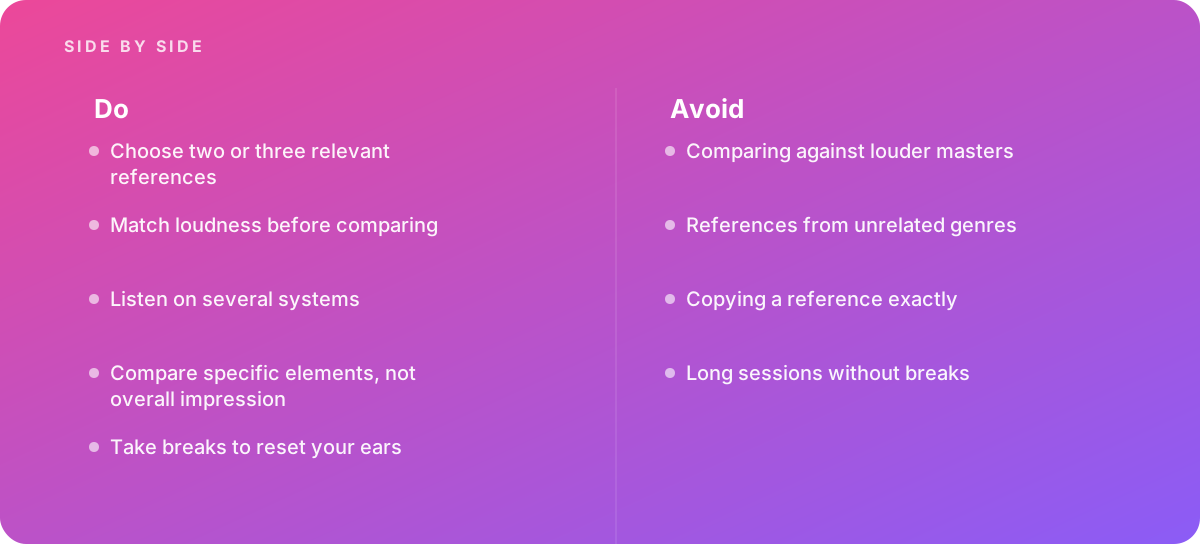
- Choose two or three relevant references
- Match loudness before comparing
- Listen on several systems
- Compare specific elements, not overall impression
- Take breaks to reset your ears
What should I avoid?
Avoid:
- Comparing against louder masters
- References from unrelated genres
- Copying a reference exactly
- Long sessions without breaks
When should I get help?
Short answer Bring in help when mixes do not translate to other systems.
Where this comes from
- Audio Engineering Society — Educational resources
- European Broadcasting Union — Listening conditions
The figures and practices above come from the sources listed.
Working on something like this?
We take on Audio Editing & Production work for teams who want it done once, properly. Tell us what you are building and we will tell you honestly whether we are the right studio for it. Start a project.
Where to go next
Spotted something wrong? Report an error on this page. We correct on the page and say what changed.