Phantom Power: What Actually Works
The direct current sent down microphone cables to power condenser microphones, usually at 48 volts.
 Tomas Lindqvist

Why does it matter?
Condenser microphones need it, some equipment can be damaged by it, and confusion causes silent or distorted recordings.
What are the numbers?
- 48 volts the standard phantom power voltage
- Condensers require external power to operate
- Dynamic microphones are generally unaffected by phantom power
- Ribbon microphones can be damaged by phantom power with faulty cables
What should I do?
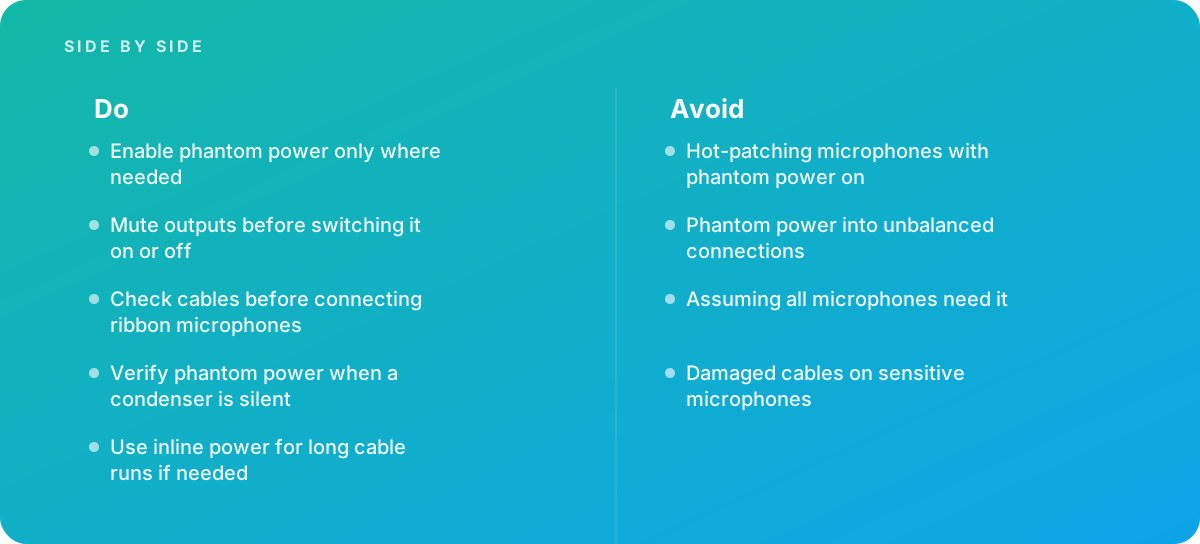
- Enable phantom power only where needed
- Mute outputs before switching it on or off
- Check cables before connecting ribbon microphones
- Verify phantom power when a condenser is silent
- Use inline power for long cable runs if needed
What should I avoid?
Avoid:
- Hot-patching microphones with phantom power on
- Phantom power into unbalanced connections
- Assuming all microphones need it
- Damaged cables on sensitive microphones
When should I get help?
Short answer Bring in help when microphones behave inconsistently.
Where this comes from
- Audio Engineering Society — Educational resources
- European Broadcasting Union — Production sound guidelines
The figures and practices above come from the sources listed.
Working on something like this?
We take on Audio Editing & Production work for teams who want it done once, properly. Tell us what you are building and we will tell you honestly whether we are the right studio for it. Start a project.
Where to go next
Spotted something wrong? Report an error on this page. We correct on the page and say what changed.