Microphone Polar Patterns, Done Properly
The directions a microphone picks up sound from, such as cardioid, omnidirectional, figure-eight and shotgun.
 Tomas Lindqvist

Where most projects go wrong
The usual mistakes:
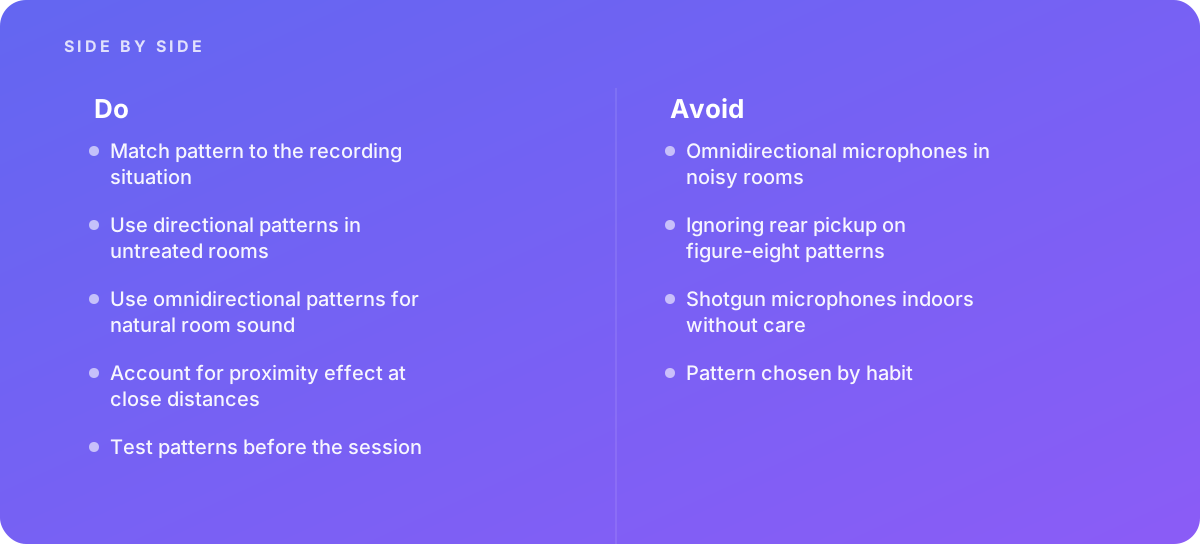
- Omnidirectional microphones in noisy rooms
- Ignoring rear pickup on figure-eight patterns
- Shotgun microphones indoors without care
- Pattern chosen by habit
What good looks like instead
- Match pattern to the recording situation
- Use directional patterns in untreated rooms
- Use omnidirectional patterns for natural room sound
- Account for proximity effect at close distances
- Test patterns before the session
Why it matters
Pattern choice decides how much room and bleed ends up in the recording, which shapes every later decision.
The specs that matter
| Measure | Figure |
|---|---|
| Cardioid | picks up mostly from the front |
| Omnidirectional | picks up equally from all directions |
| Figure-eight | picks up front and back, rejecting the sides |
| Proximity effect | directional microphones boost bass up close |
Knowing when to hand it over
Tip: Bring in help when choosing microphones for a space.
Where this comes from
- Audio Engineering Society — Microphone technique
- European Broadcasting Union — Speech recording practice
The figures and practices above come from the sources listed.
Working on something like this?
We take on Audio Editing & Production work for teams who want it done once, properly. Tell us what you are building and we will tell you honestly whether we are the right studio for it. Start a project.
Where to go next
Spotted something wrong? Report an error on this page. We correct on the page and say what changed.