Objection-Handling Content, Done Properly
Content that answers the reasons buyers hesitate, such as price concerns, switching costs and integration worries.
 Dana Whitfield

Why does it matter?
Objections are answered in sales calls repeatedly, and published answers reach buyers who never call.
What are the numbers?
- Sales knowledge sales teams know the real objections
- Search behavior people search for concerns directly
- Honesty acknowledging limitations builds trust
- Formats FAQs, comparisons and case studies all work
What should I do?
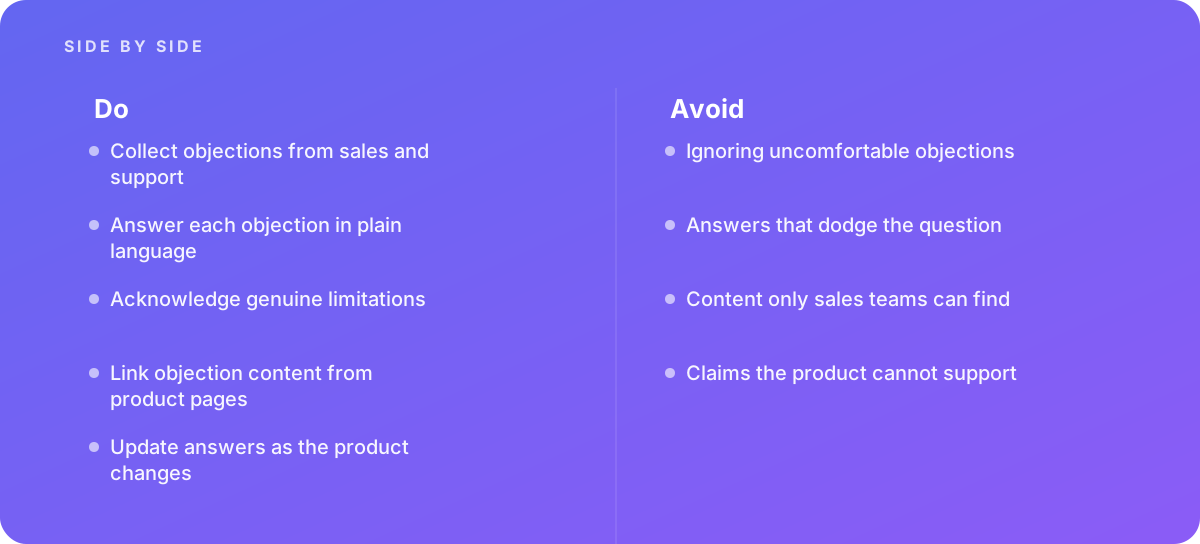
- Collect objections from sales and support
- Answer each objection in plain language
- Acknowledge genuine limitations
- Link objection content from product pages
- Update answers as the product changes
What should I avoid?
Avoid:
- Ignoring uncomfortable objections
- Answers that dodge the question
- Content only sales teams can find
- Claims the product cannot support
When should I get help?
Short answer Bring in help when sales cycles stall at the same points.
Where this comes from
- Google Search Central — Search intent
- Nielsen Norman Group — Writing for the web
The figures and practices above come from the sources listed.
Working on something like this?
We take on Content Strategy work for teams who want it done once, properly. Tell us what you are building and we will tell you honestly whether we are the right studio for it. Start a project.
Where to go next
Spotted something wrong? Report an error on this page. We correct on the page and say what changed.