Hreflang Tags in Practice, Done Properly
The markup that tells search engines which language and region version of a page to show, and the errors that commonly break it.
 Samir Haddad
Where most projects go wrong
The usual mistakes:
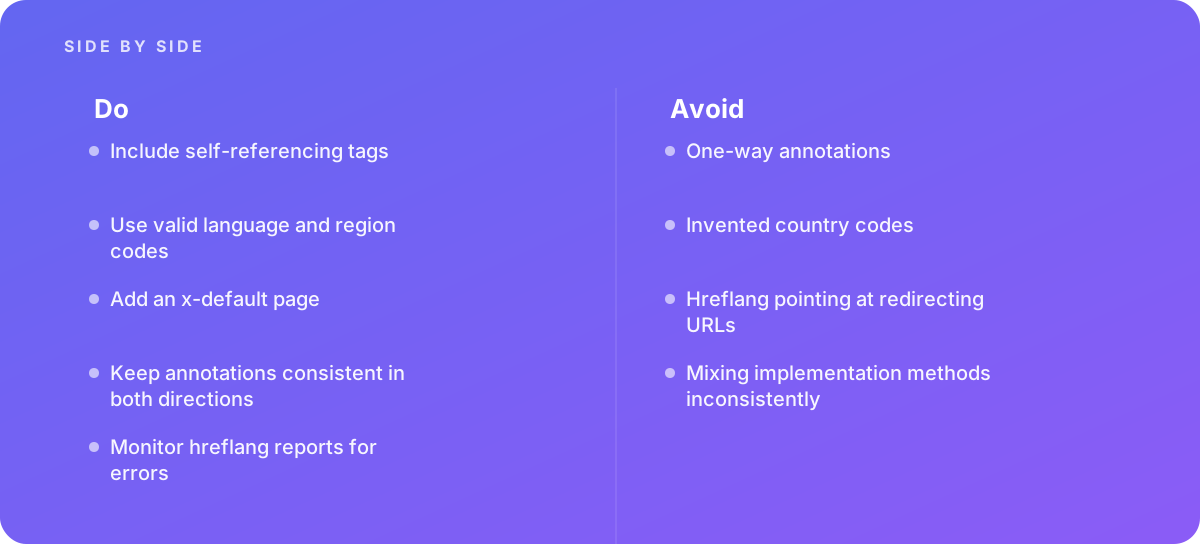
- One-way annotations
- Invented country codes
- Hreflang pointing at redirecting URLs
- Mixing implementation methods inconsistently
What good looks like instead
- Include self-referencing tags
- Use valid language and region codes
- Add an x-default page
- Keep annotations consistent in both directions
- Monitor hreflang reports for errors
Why it matters
Hreflang is easy to get wrong, and broken implementations leave the wrong pages ranking in the wrong markets.
The specs that matter
| Measure | Figure |
|---|---|
| Return tags | each page must reference the others, including itself |
| Codes | language and optional region codes follow defined standards |
| x-default | marks the fallback page for unmatched users |
| Delivery | hreflang can go in HTML, HTTP headers or sitemaps |
Knowing when to hand it over
Tip: Bring in help when international pages rank in the wrong markets.
Where this comes from
- Google Search Central — Tell Google about localized versions of your page
- Google Search Central — International SEO
The figures and practices above come from the sources listed.
Working on something like this?
We take on SEO Services work for teams who want it done once, properly. Tell us what you are building and we will tell you honestly whether we are the right studio for it. Start a project.
Where to go next
Spotted something wrong? Report an error on this page. We correct on the page and say what changed.