Grouping Queries for Analysis: The Decisions That Matter
Organizing search queries into themes so performance can be judged by topic rather than by individual keyword.
 Samir Haddad

What is at stake
Individual keyword rankings mislead, while grouped performance shows whether a topic is winning or losing.
The playbook
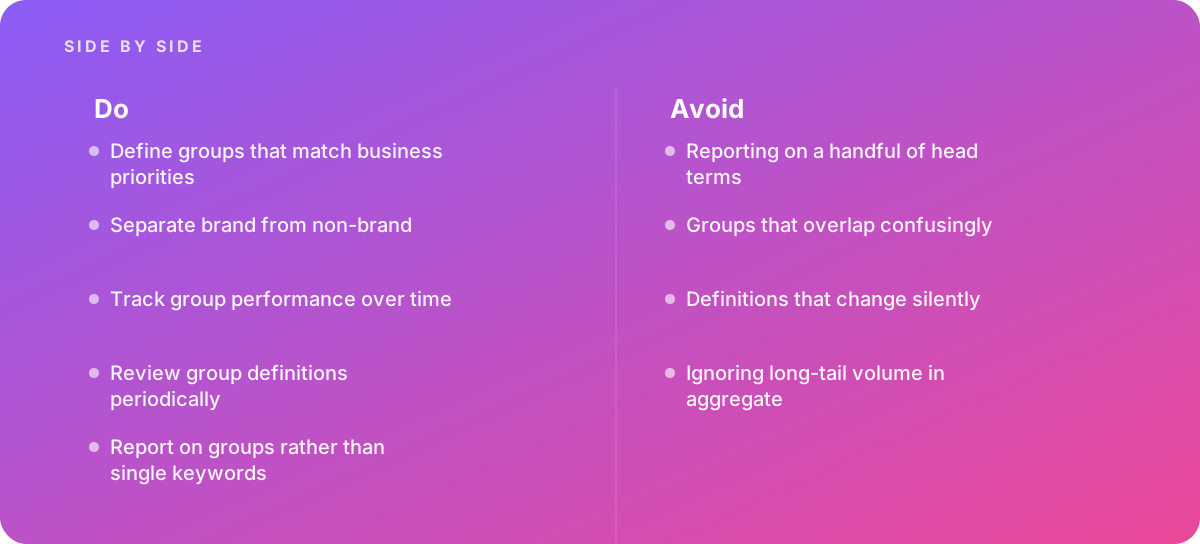
- Define groups that match business priorities
- Separate brand from non-brand
- Track group performance over time
- Review group definitions periodically
- Report on groups rather than single keywords
Where it goes wrong
Avoid:
- Reporting on a handful of head terms
- Groups that overlap confusingly
- Definitions that change silently
- Ignoring long-tail volume in aggregate
The numbers behind it
| Measure | Figure |
|---|---|
| Themes | queries cluster around intents and topics |
| Brand split | brand and non-brand behave differently |
| Long tail | most queries are individually tiny |
| Trends | grouping reveals trends single keywords hide |
Getting outside help
When to hand it over: Bring in help when search reporting does not explain business results.
Where this comes from
- Google Search Central — Search Console performance report
- Google Search Central — Search intent
The figures and practices above come from the sources listed.
Working on something like this?
We take on SEO Services work for teams who want it done once, properly. Tell us what you are building and we will tell you honestly whether we are the right studio for it. Start a project.
Where to go next
Spotted something wrong? Report an error on this page. We correct on the page and say what changed.