Email Deliverability: What Actually Works
Getting email into inboxes rather than spam folders or nowhere at all.
 Samir Haddad

Why does it matter?
Deliverability is determined by authentication and reputation, both of which are technical and both of which are invisible until they fail.
What are the numbers?
- SPF declares which servers may send for a domain
- DKIM cryptographically signs messages
- DMARC declares policy for handling authentication failures
- Reputation built from engagement, complaints and bounce rates
- List hygiene sending to unengaged addresses harms reputation
- Bulk sender requirements major providers require authentication and easy unsubscribe
What should I do?
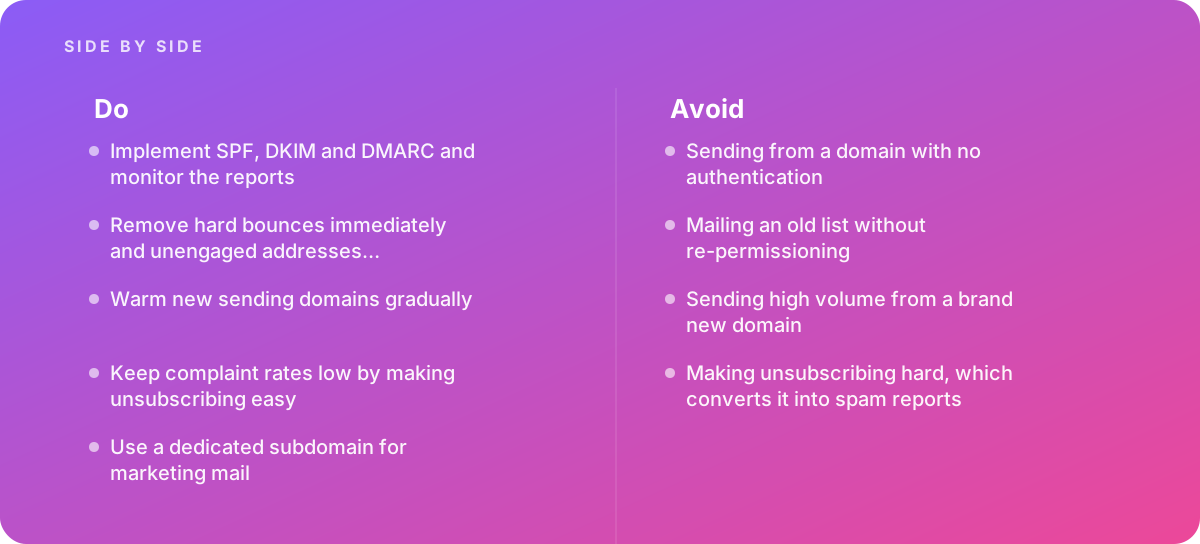
- Implement SPF, DKIM and DMARC and monitor the reports
- Remove hard bounces immediately and unengaged addresses periodically
- Warm new sending domains gradually
- Keep complaint rates low by making unsubscribing easy
- Use a dedicated subdomain for marketing mail
What should I avoid?
Avoid:
- Sending from a domain with no authentication
- Mailing an old list without re-permissioning
- Sending high volume from a brand new domain
- Making unsubscribing hard, which converts it into spam reports
When should I get help?
Short answer Bring in help when delivery rates have fallen, when DMARC reports show failures, or when a domain's sending reputation has been damaged.
Where this comes from
- Mailchimp — Deliverability and authentication
- RFC Editor — SPF, DKIM and DMARC specifications
- National Cyber Security Centre — Email security guidance
The figures and practices above come from the sources listed.
Working on something like this?
We take on Digital Marketing & CRO work for teams who want it done once, properly. Tell us what you are building and we will tell you honestly whether we are the right studio for it. Start a project.
Where to go next
Spotted something wrong? Report an error on this page. We correct on the page and say what changed.