A Practical Guide to User Acceptance Testing
Structured testing by the client or business users before a site or feature goes live.
 Marcus Adeyemi
Why does it matter?
Acceptance testing catches the gap between what was built and what was meant, while it is still cheap to fix.
What are the numbers?
- Test cases structured cases beat unstructured clicking
- Environments testing should happen on a production-like environment
- Defect triage issues need severity ratings
- Sign-off acceptance should be recorded
What should I do?
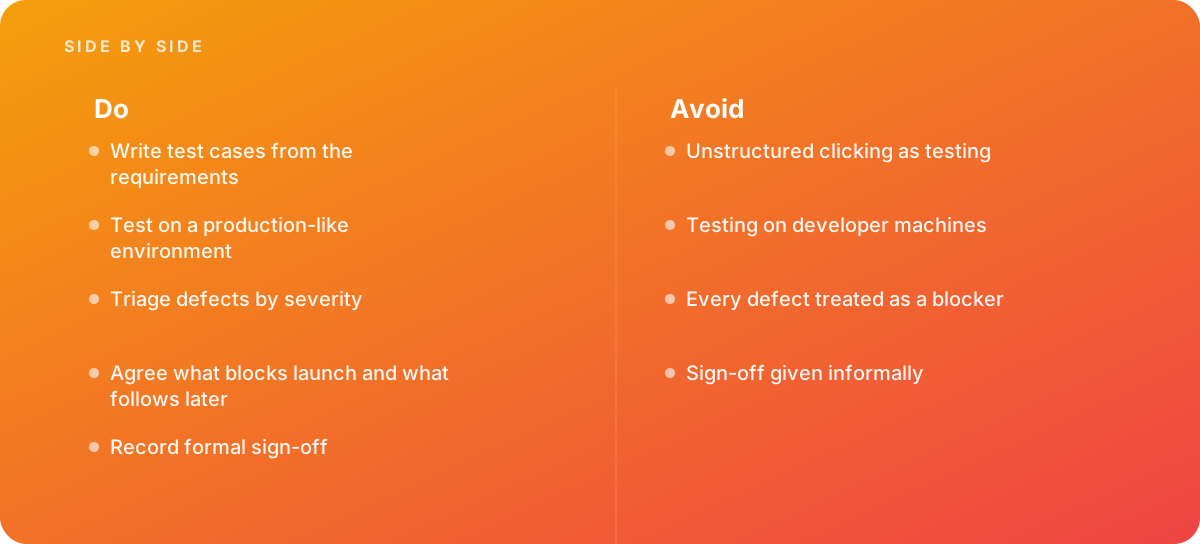
- Write test cases from the requirements
- Test on a production-like environment
- Triage defects by severity
- Agree what blocks launch and what follows later
- Record formal sign-off
What should I avoid?
Avoid:
- Unstructured clicking as testing
- Testing on developer machines
- Every defect treated as a blocker
- Sign-off given informally
When should I get help?
Short answer Bring in help when launches uncover avoidable problems.
Where this comes from
- Microsoft Learn — Testing
- GOV.UK Service Manual — Testing
The figures and practices above come from the sources listed.
Working on something like this?
We take on Web Design & Development work for teams who want it done once, properly. Tell us what you are building and we will tell you honestly whether we are the right studio for it. Start a project.
Where to go next
Spotted something wrong? Report an error on this page. We correct on the page and say what changed.