A Practical Guide to Payment Tokenization
Replacing card numbers with tokens so stores can charge customers again without storing card data.
 Marcus Adeyemi

Why does it matter?
Tokenization reduces PCI scope and risk while still supporting saved cards, subscriptions and one-click purchases.
What are the numbers?
- Tokens stand in for card numbers and are useless if stolen
- PCI scope not storing card data reduces compliance burden
- Network tokens card networks can issue tokens that update automatically
- Processors payment providers handle tokenization
What should I do?
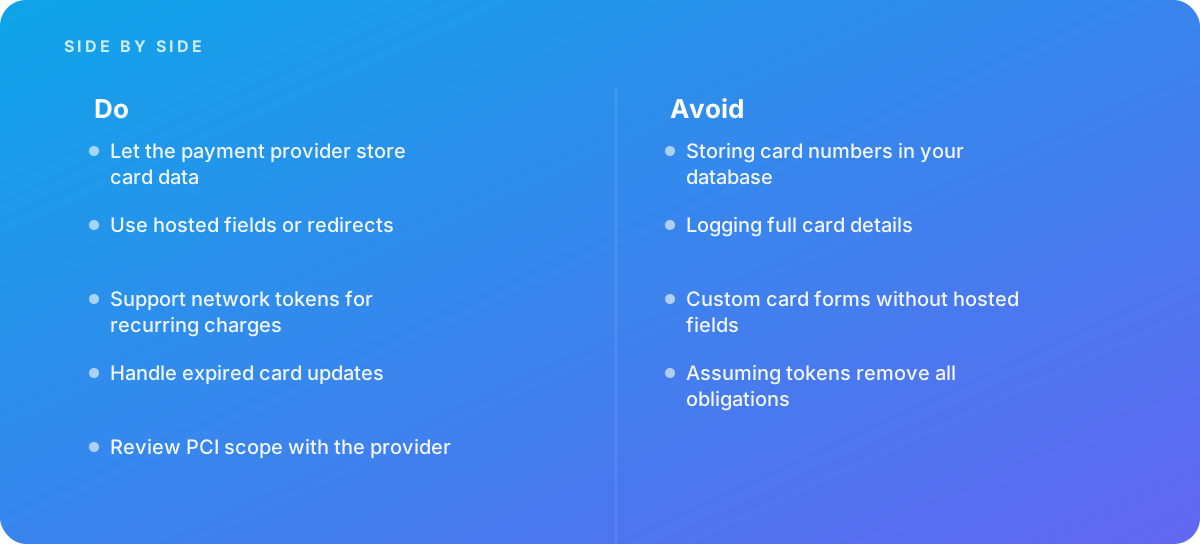
- Let the payment provider store card data
- Use hosted fields or redirects
- Support network tokens for recurring charges
- Handle expired card updates
- Review PCI scope with the provider
What should I avoid?
Avoid:
- Storing card numbers in your database
- Logging full card details
- Custom card forms without hosted fields
- Assuming tokens remove all obligations
When should I get help?
Short answer Bring in help when stores save cards or run subscriptions.
Where this comes from
- PCI Security Standards Council — PCI DSS
- Stripe Documentation — Payment methods
The figures and practices above come from the sources listed.
Working on something like this?
We take on E-commerce Development work for teams who want it done once, properly. Tell us what you are building and we will tell you honestly whether we are the right studio for it. Start a project.
Where to go next
Spotted something wrong? Report an error on this page. We correct on the page and say what changed.