A Practical Guide to 3-D Secure Authentication
An extra authentication step during card payments, where the bank verifies the shopper with a code or app confirmation.
 Marcus Adeyemi
At a glance
- Liability shift authenticated transactions can shift chargeback liability to the issuer
- Frictionless flow many transactions are approved without a challenge
- European rules strong customer authentication is required in Europe
- Conversion extra steps can reduce completion rates
Why it matters
Why it matters: 3-D Secure reduces fraud and can shift liability for chargebacks, but it adds friction that can cost conversions.
Best practice
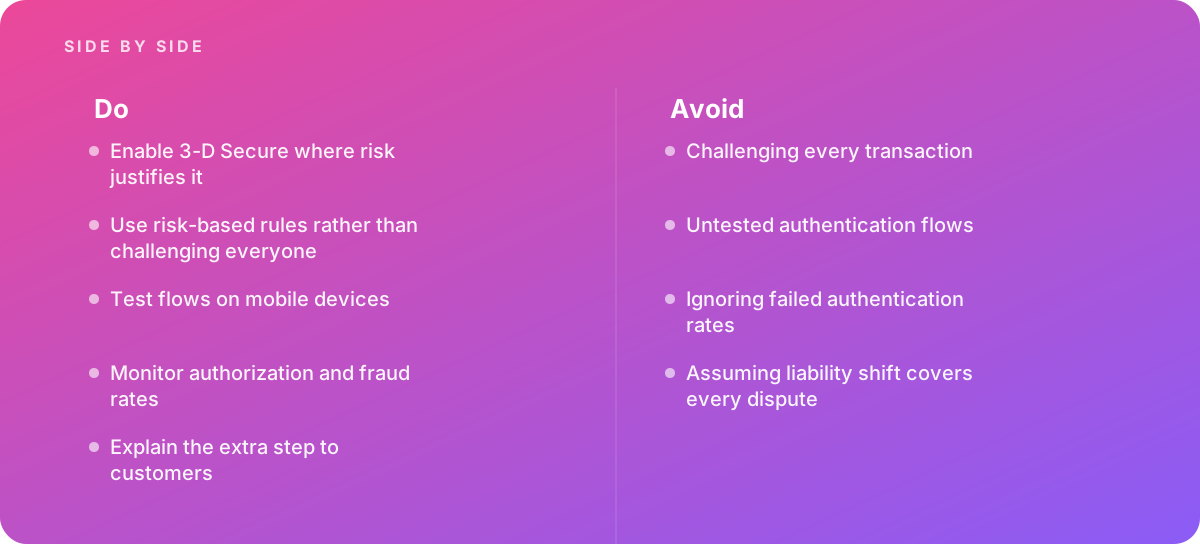
- Enable 3-D Secure where risk justifies it
- Use risk-based rules rather than challenging everyone
- Test flows on mobile devices
- Monitor authorization and fraud rates
- Explain the extra step to customers
Common pitfalls
Watch out for:
- Challenging every transaction
- Untested authentication flows
- Ignoring failed authentication rates
- Assuming liability shift covers every dispute
When to call in a specialist
Bottom line Bring in help when fraud and declines both need improvement.
Where this comes from
- Stripe Documentation — 3D Secure authentication
- PCI Security Standards Council — PCI DSS
The figures and practices above come from the sources listed.
Working on something like this?
We take on E-commerce Development work for teams who want it done once, properly. Tell us what you are building and we will tell you honestly whether we are the right studio for it. Start a project.
Where to go next
Spotted something wrong? Report an error on this page. We correct on the page and say what changed.