Skip to content
3D Design & Development

A Practical Guide to Cryptomatte Mattes

A render pass that produces automatic, accurate selection masks for every object and material in a scene.

MediaScaleUp Editorial Team 2 min read 14 views
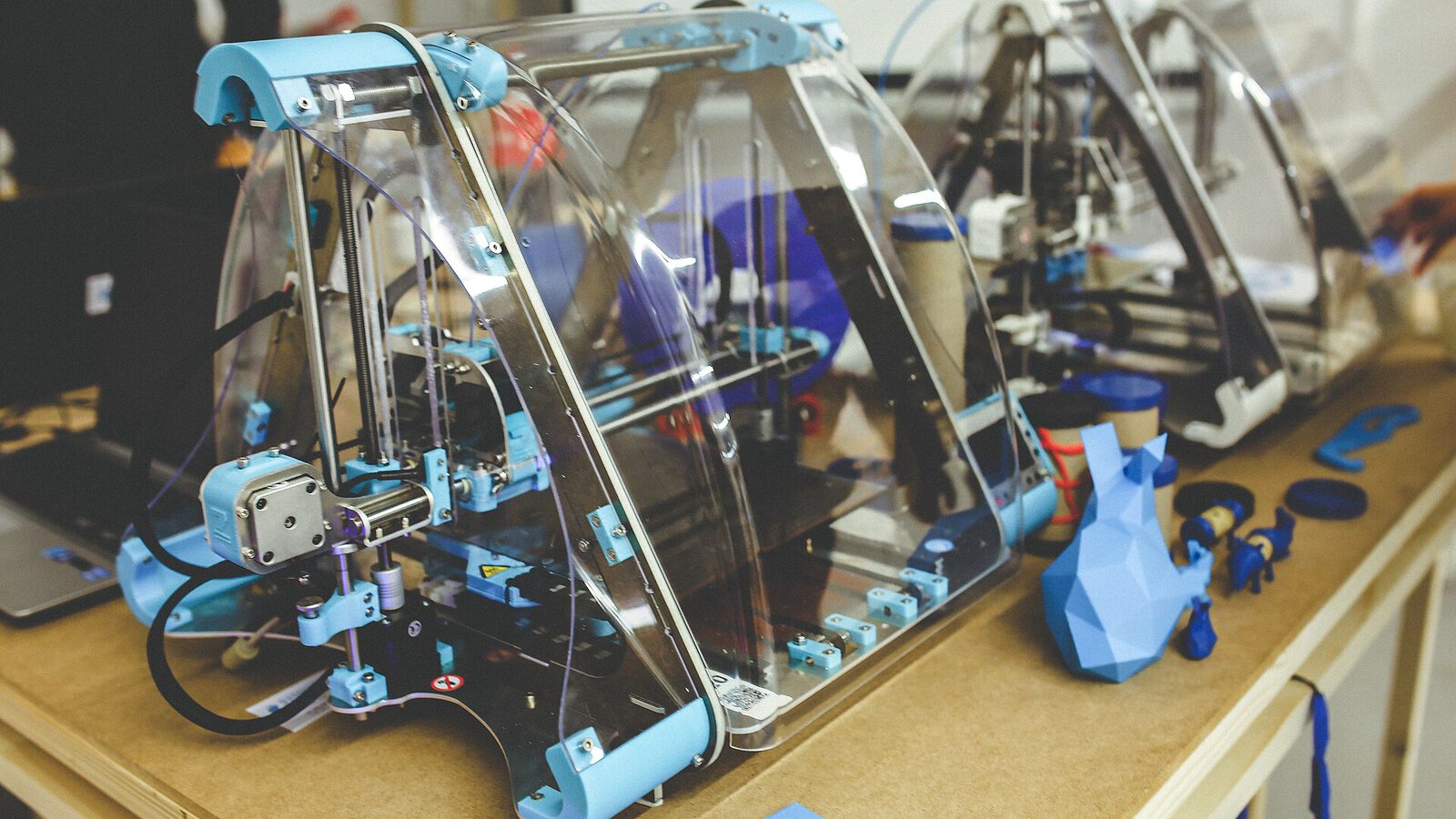
A Practical Guide to Cryptomatte Mattes

What is at stake

Cryptomatte removes hours of manual masking in compositing, especially for motion blur and transparency.

The playbook

  1. Enable Cryptomatte passes on renders you will composite
  2. Name objects and materials meaningfully
  3. Store passes in multi-layer EXR files
  4. Check mattes on transparent and blurred edges
  5. Document which passes were rendered

Where it goes wrong

Avoid:

  • Manual rotoscoping of rendered elements
  • Unnamed objects producing meaningless mattes
  • Compressing passes lossily
  • Re-rendering because passes were forgotten
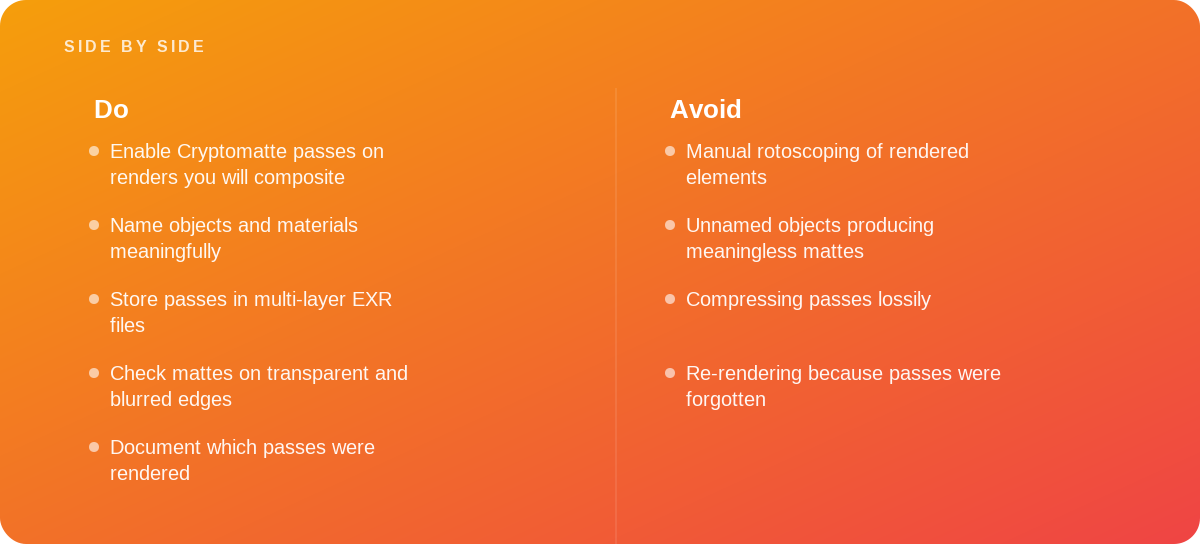
What to do and what to avoid with cryptomatte mattes, side by side
Good practice against the usual mistakes, from the sources listed below.

The numbers behind it

Published figures for Cryptomatte Mattes
MeasureFigure
Open standardCryptomatte is an open specification used across renderers
Automatic IDsmattes are generated per object, material or asset
Edge qualityhandles antialiasing, motion blur and depth of field
SupportBlender, Nuke and Fusion all support it

Getting outside help

When to hand it over: Bring in help when renders need heavy compositing work.

Where this comes from

The figures and practices above come from the sources listed.

Working on something like this?

We take on 3D Design & Development work for teams who want it done once, properly. Tell us what you are building and we will tell you honestly whether we are the right studio for it. Start a project.

Where to go next

Spotted something wrong? Report an error on this page. We correct on the page and say what changed.
All services

The work behind this article, and what it costs.

See it in practice

All the work
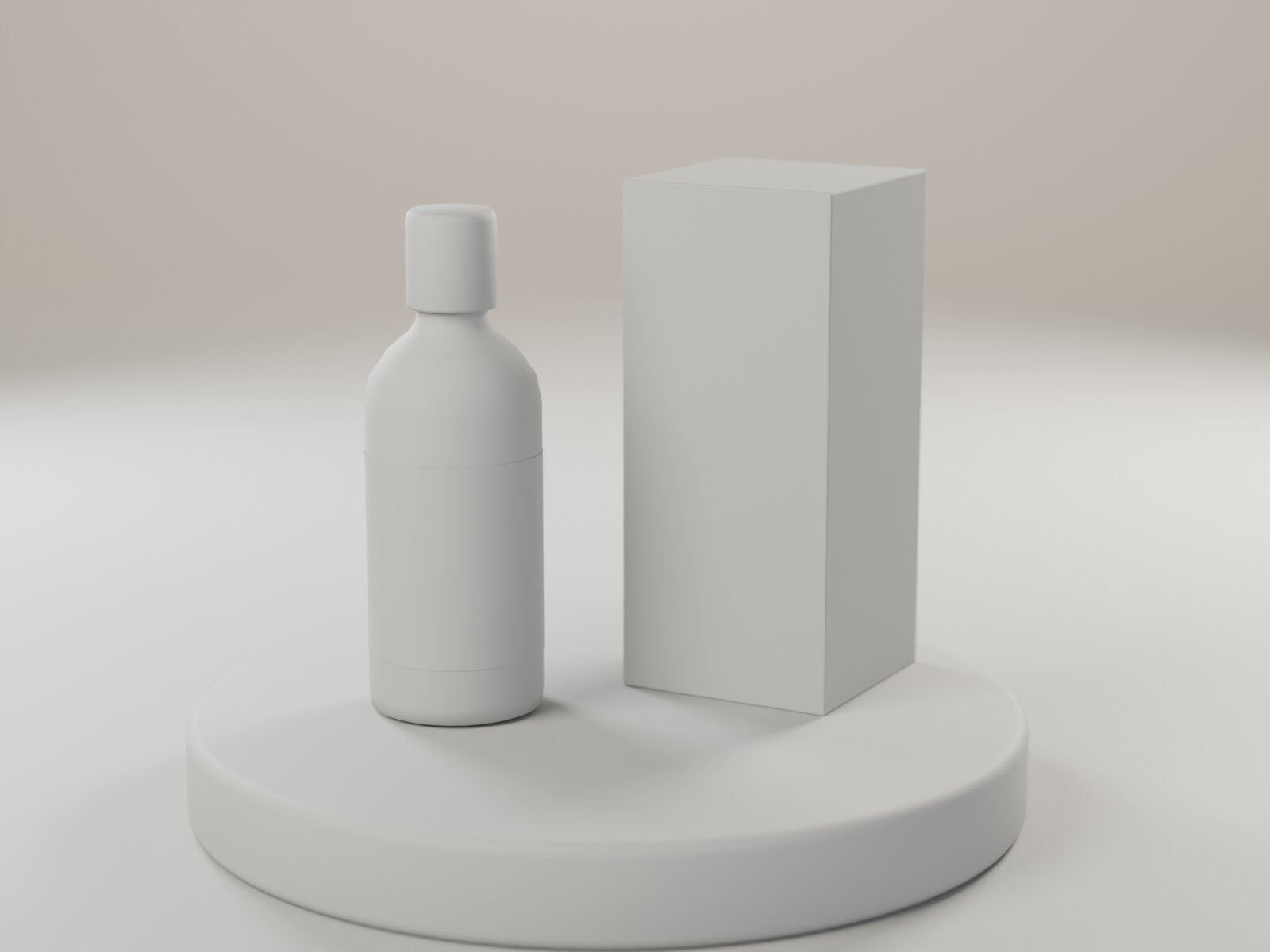
Before: 3D Packaging Render: From Clay Model to Shelf-Ready Hair Oil Box
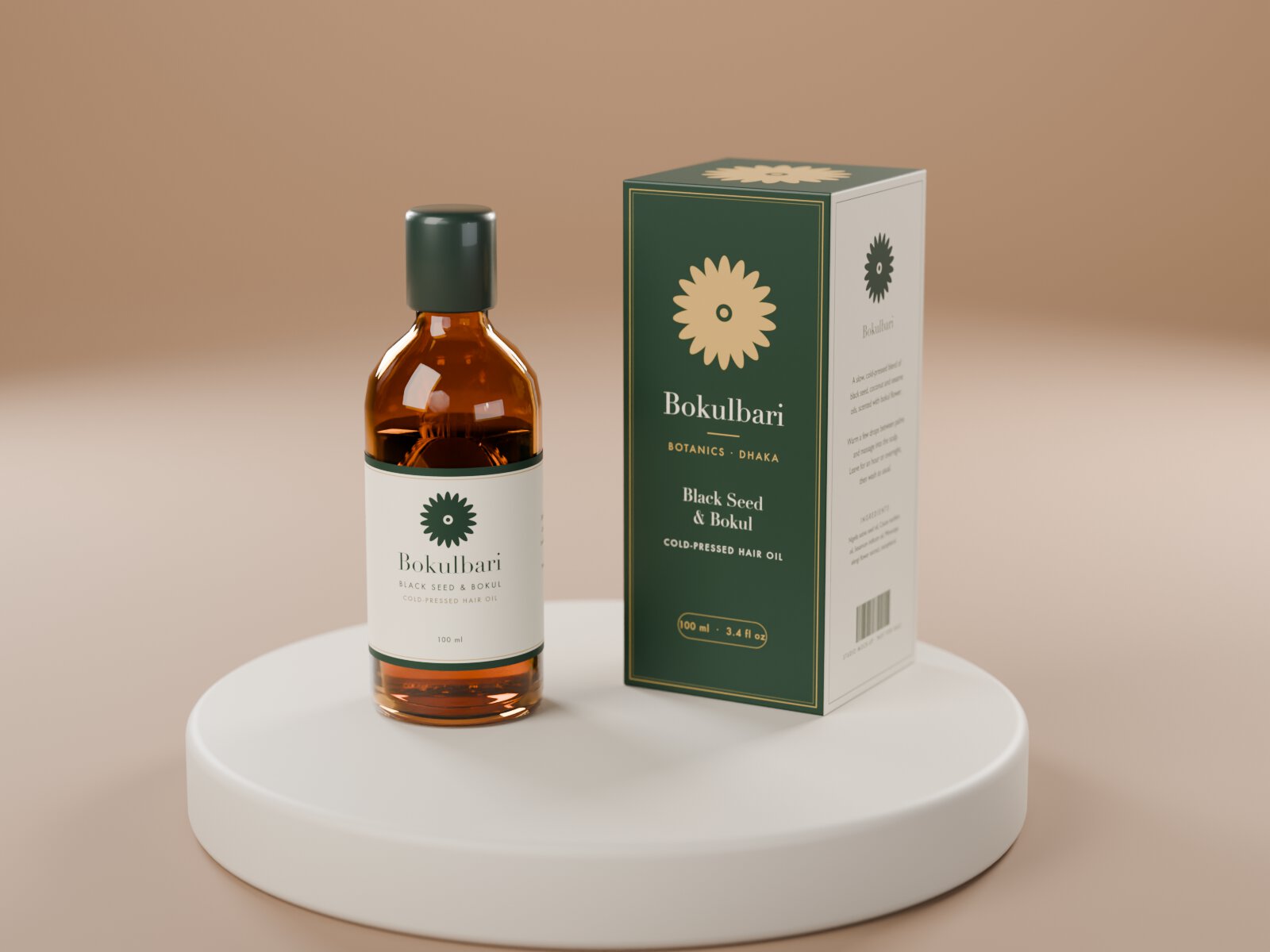
After: 3D Packaging Render: From Clay Model to Shelf-Ready Hair Oil Box
Clay model pass Final product render

3D Packaging Render: From Clay Model to Shelf-Ready Hair Oil Box

Hard-surface modeling, UV unwrapping, label and dieline artwork, glass and liquid shaders, studio lighting, Cycles render

Studio demo on a public-domain photo, not a client job

Packaging Modeling Beauty & Personal Care 3-5 days

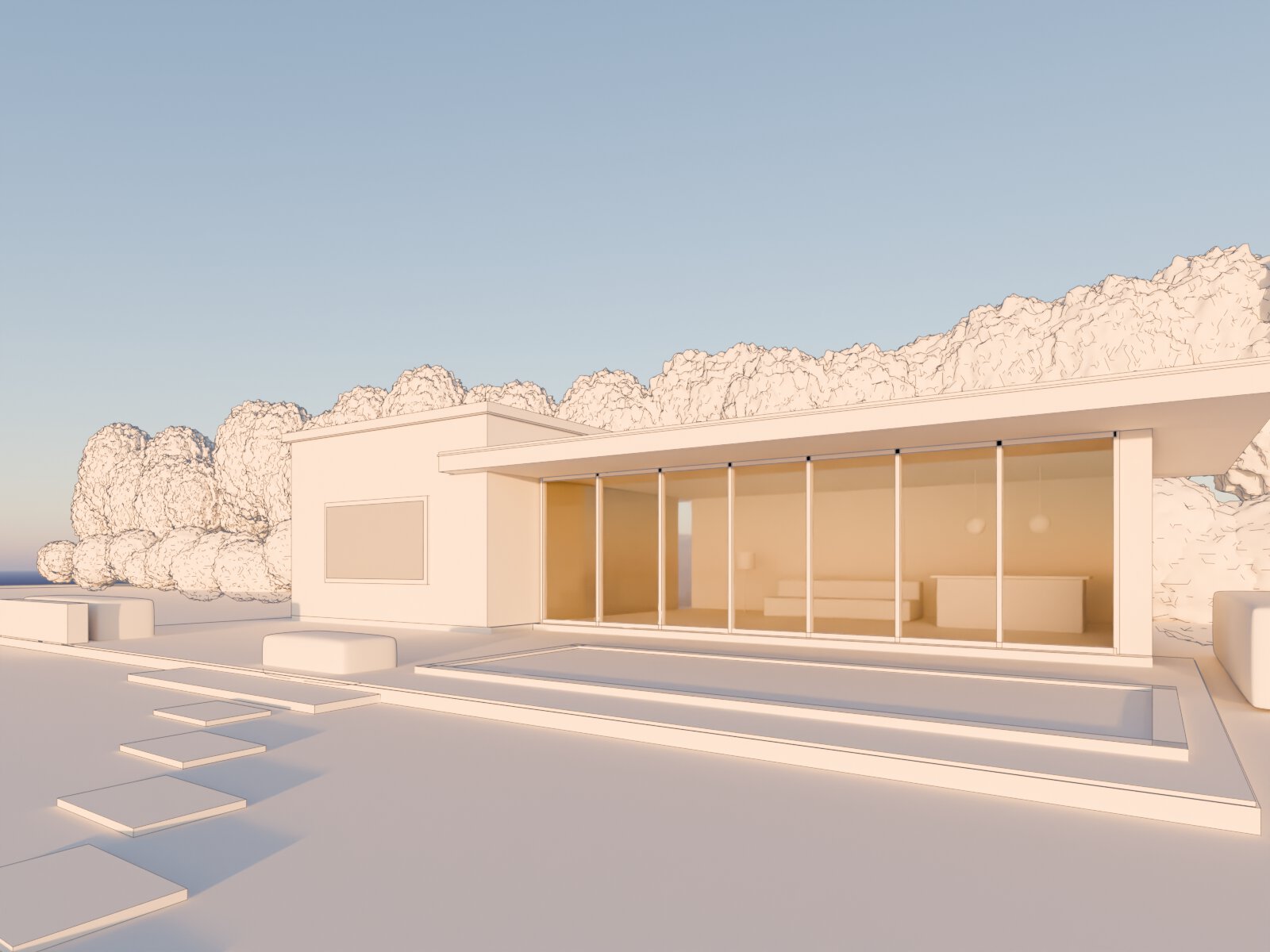
Before: Architectural Exterior: Clay Massing to Photoreal Daylight Render
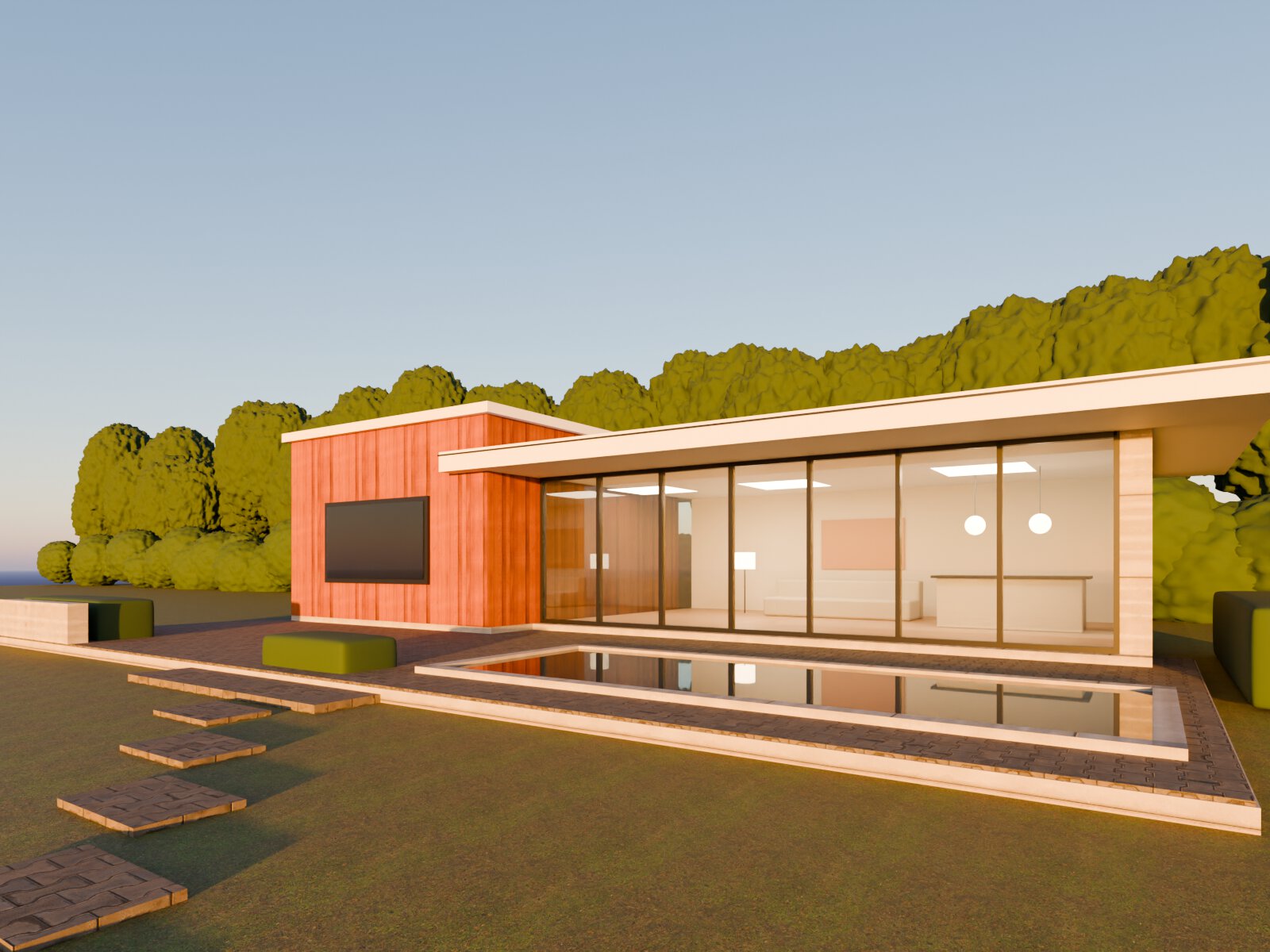
After: Architectural Exterior: Clay Massing to Photoreal Daylight Render
Clay massing study Final exterior render

Architectural Exterior: Clay Massing to Photoreal Daylight Render

Architectural modeling, timber and concrete materials, glass and water shaders, landscaping, sun-and-sky lighting, Cycles

Studio demo on a public-domain photo, not a client job

House & Building Modeling Real Estate & Architecture 5-7 days

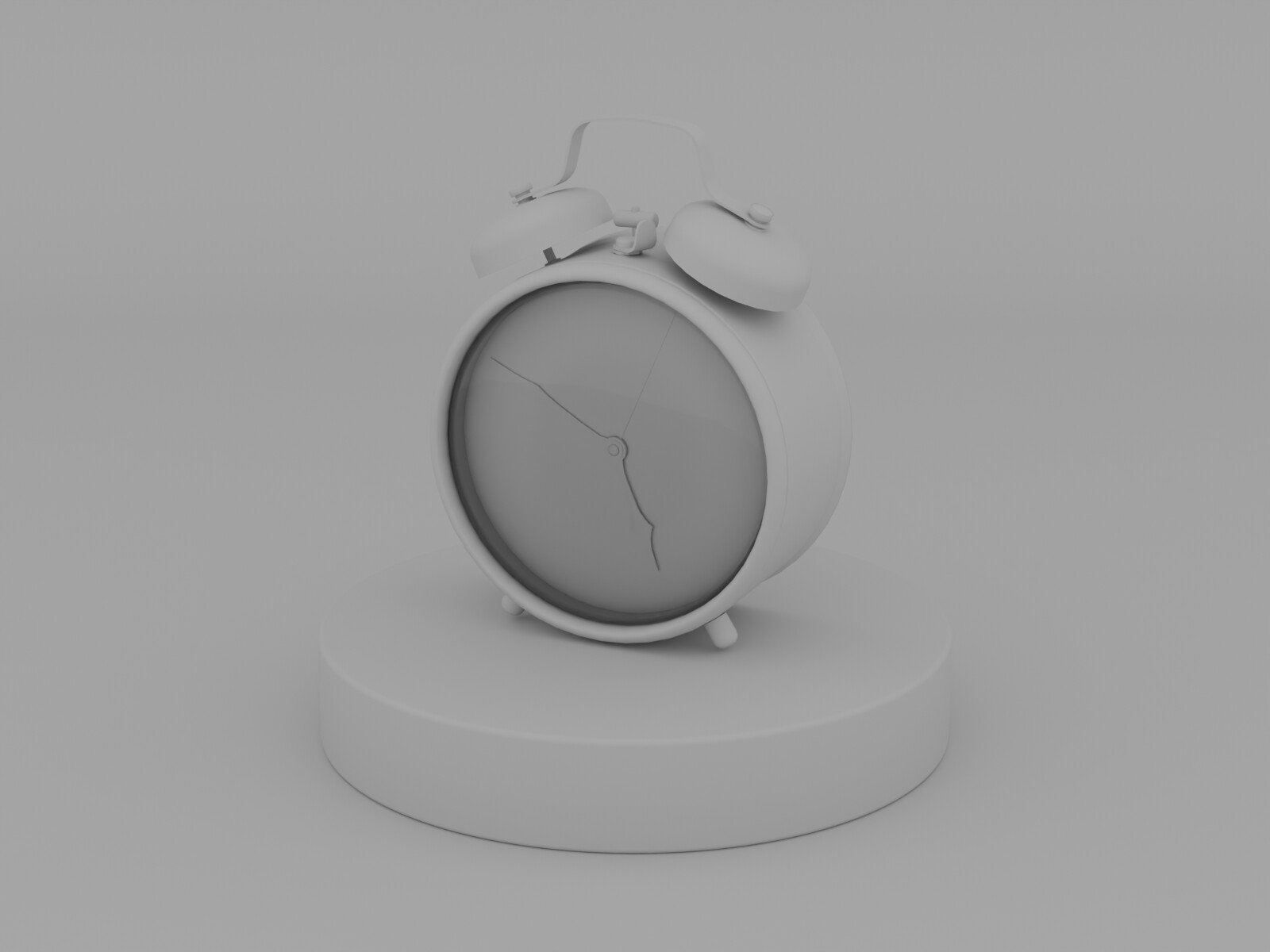
Before: 3D Product Render: Clay Model to Finished Studio Shot
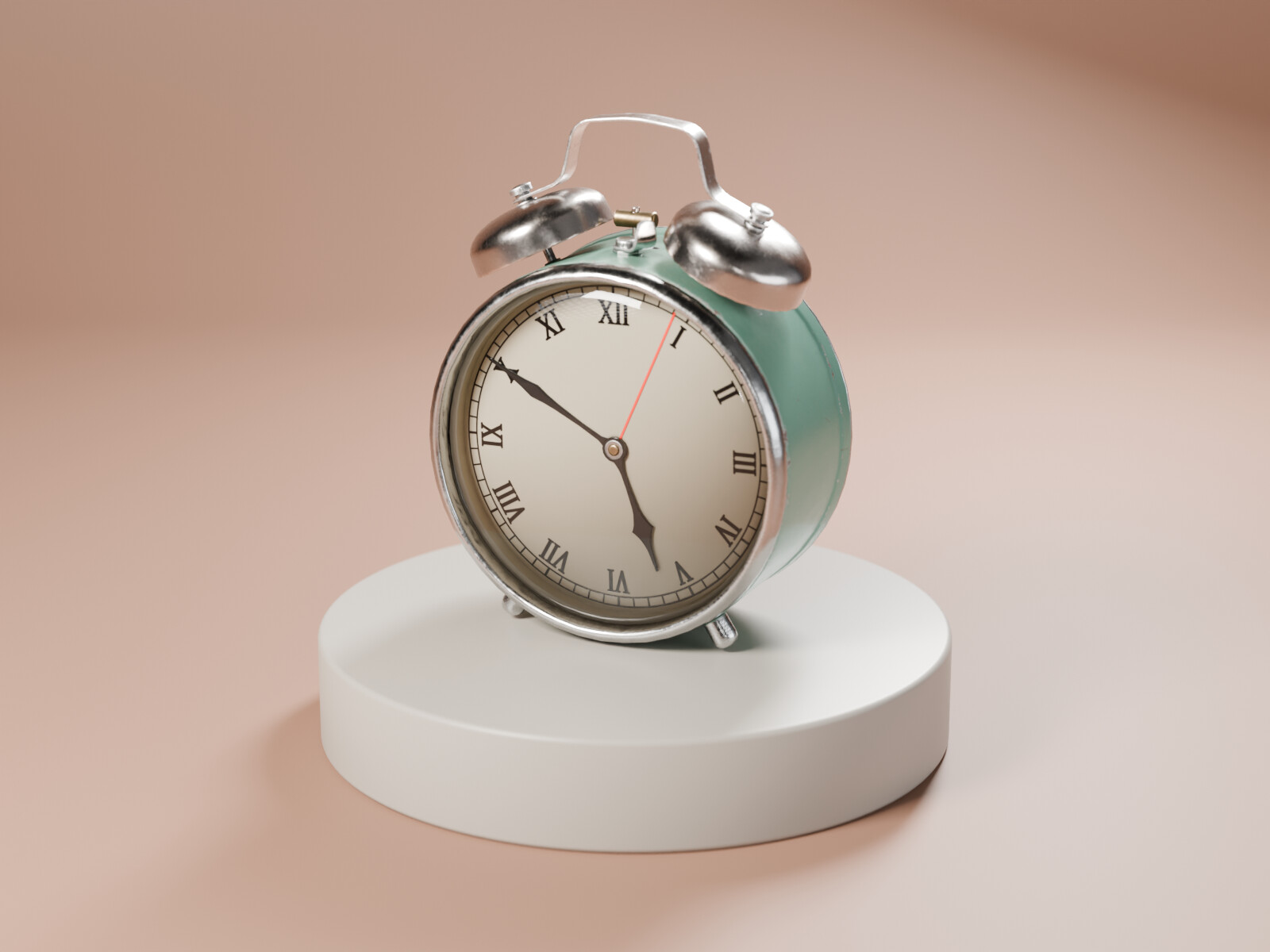
After: 3D Product Render: Clay Model to Finished Studio Shot
Clay render Final render

3D Product Render: Clay Model to Finished Studio Shot

Blender Cycles, PBR materials, custom thin-glass shader, HDRI plus key/fill/rim area lights, curved cyclorama, pedestal, depth of field, AgX color management

Studio demo on a public-domain photo, not a client job

Watch the video

Product Lighting E-commerce & Product 2-3 days

MediaScaleUp Editorial Team

Articles here are researched, written and checked by the MediaScaleUp studio team before they are published, and dated when they are reviewed.

Keep reading

More in 3D Design & Development