Headphones and Monitoring for Editing, Done Properly
Choosing and using headphones and speakers for audio editing, and checking work on the devices listeners actually use.
 Tomas Lindqvist
What is at stake
Editing decisions are only as good as what the editor can hear, and relying on one playback system hides problems.
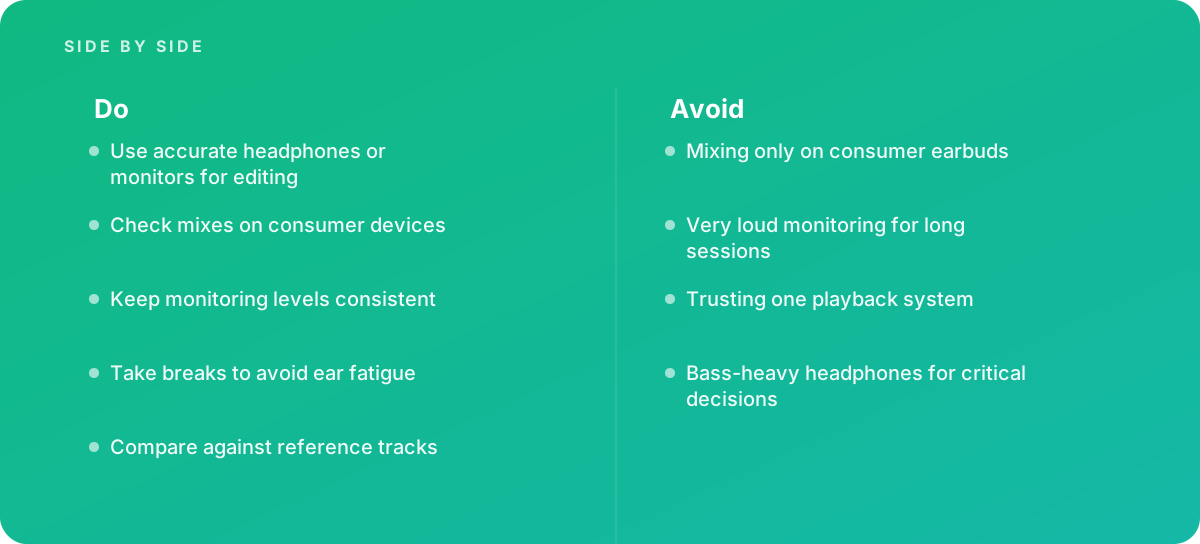
The playbook
- Use accurate headphones or monitors for editing
- Check mixes on consumer devices
- Keep monitoring levels consistent
- Take breaks to avoid ear fatigue
- Compare against reference tracks
Where it goes wrong
Avoid:
- Mixing only on consumer earbuds
- Very loud monitoring for long sessions
- Trusting one playback system
- Bass-heavy headphones for critical decisions
The numbers behind it
| Measure | Figure |
|---|---|
| Closed-back headphones | isolate sound, useful for recording |
| Open-back headphones | often preferred for detailed editing and mixing |
| Reference listening | checking on phones, earbuds and car speakers |
| Listening level | consistent, moderate levels reduce fatigue and misjudgment |
Getting outside help
When to hand it over: Bring in help when mixes sound different on every device.
Where this comes from
- Audio Engineering Society — Educational resources
- iZotope — Monitoring guide
The figures and practices above come from the sources listed.
Working on something like this?
We take on Audio Editing & Production work for teams who want it done once, properly. Tell us what you are building and we will tell you honestly whether we are the right studio for it. Start a project.
Where to go next
Spotted something wrong? Report an error on this page. We correct on the page and say what changed.