Working in Tight Spaces: What Actually Works
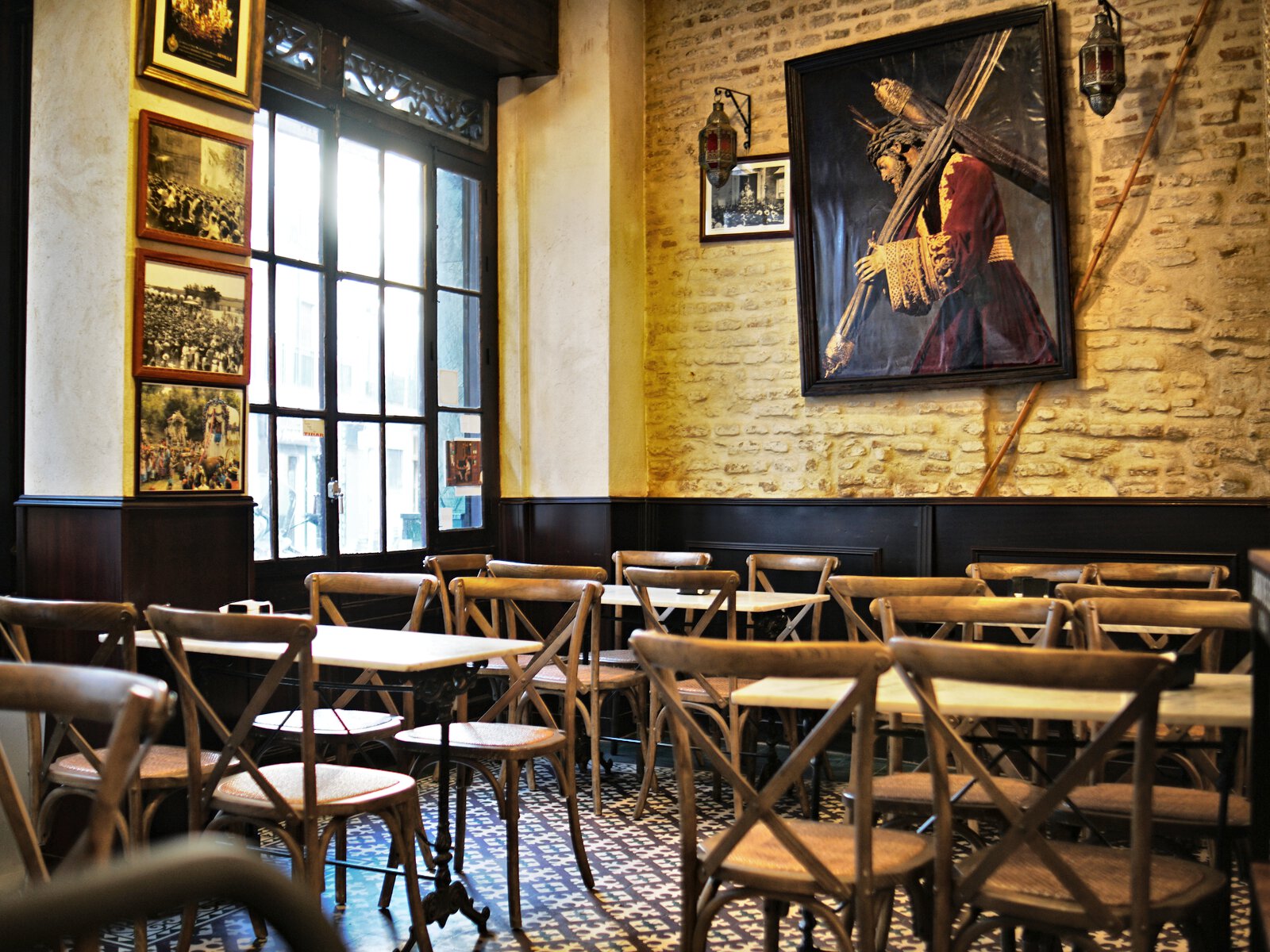
Photographing in small rooms, vehicles, shops and other spaces with no room to step back.
 MediaScaleUp Editorial Team
What is at stake
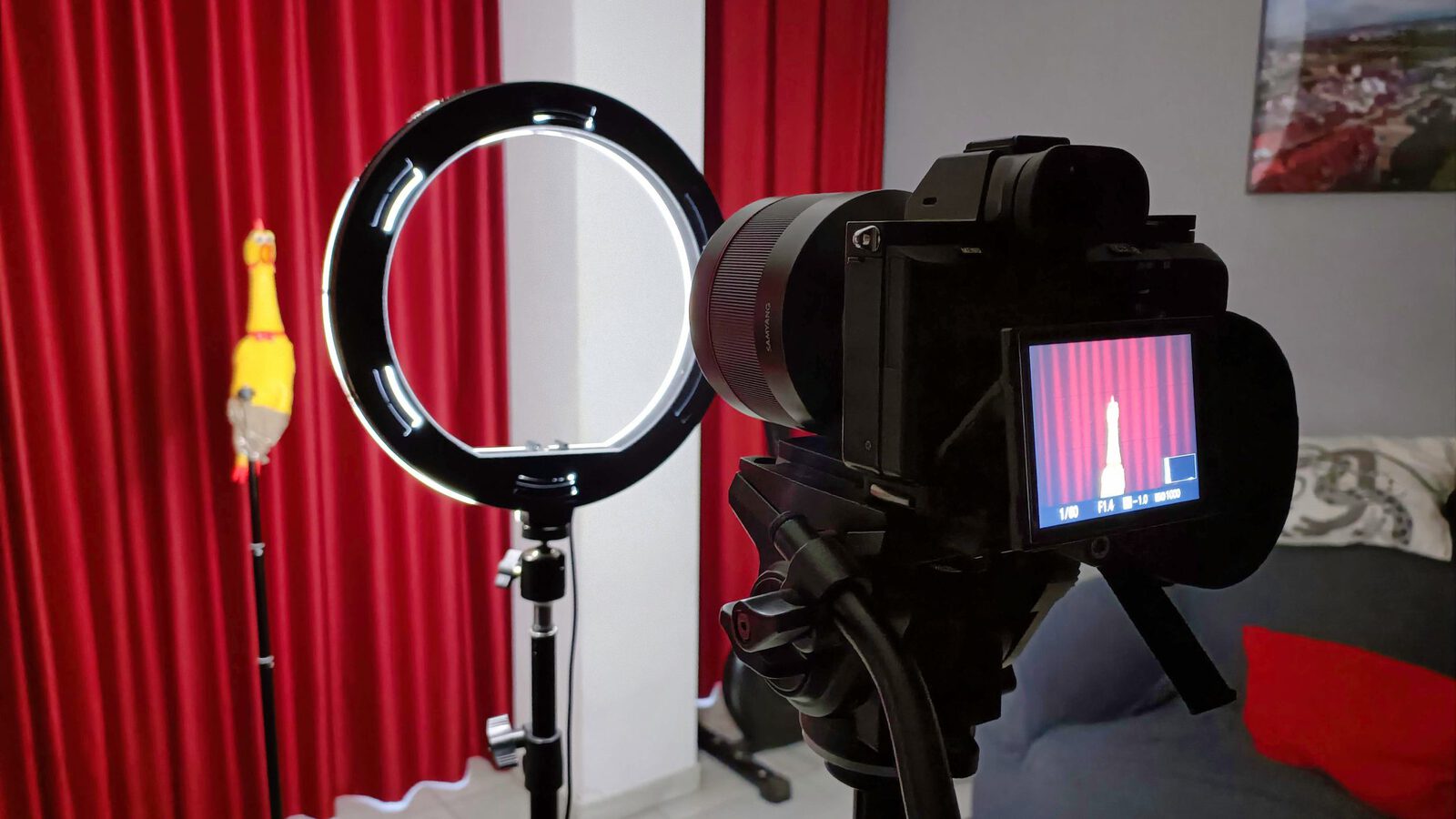
Confined spaces limit lens choice and lighting positions, which changes how the shot must be planned.
The playbook
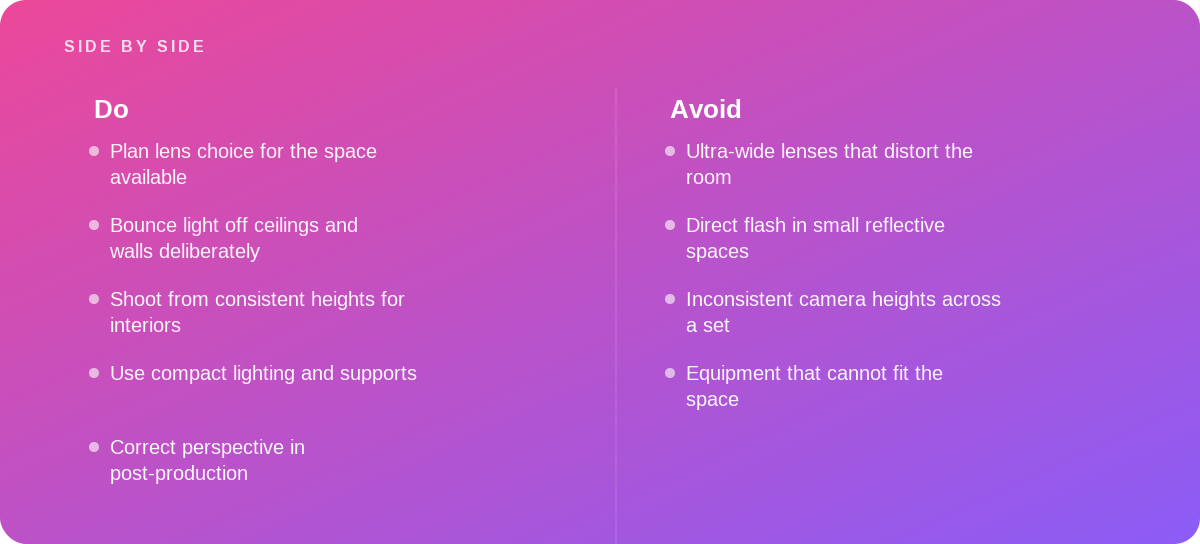
- Plan lens choice for the space available
- Bounce light off ceilings and walls deliberately
- Shoot from consistent heights for interiors
- Use compact lighting and supports
- Correct perspective in post-production
Where it goes wrong
Avoid:
- Ultra-wide lenses that distort the room
- Direct flash in small reflective spaces
- Inconsistent camera heights across a set
- Equipment that cannot fit the space
The numbers behind it
| Measure | Figure |
|---|---|
| Wide lenses | distort when used very close |
| Bounce lighting | small spaces reflect light unpredictably |
| Tripod space | may not exist |
| Perspective | shooting height changes the sense of space |
Getting outside help
When to hand it over: Bring in help when spaces are too small for standard setups.
Where this comes from
- Adobe Help Center — Upright perspective correction
- Adobe Help Center — Photography basics
The figures and practices above come from the sources listed.
Working on something like this?
We take on Photography & Product Visuals work for teams who want it done once, properly. Tell us what you are building and we will tell you honestly whether we are the right studio for it. Start a project.
Where to go next
Spotted something wrong? Report an error on this page. We correct on the page and say what changed.