Neutral Density Filters: What Actually Works
Filters that reduce the amount of light entering the lens without changing color, allowing longer exposures or wider apertures in bright light.
 MediaScaleUp Editorial Team
The key figures
- Purpose
- reduce light evenly across the frame
- Strength
- measured in stops of light reduction
- Graduated ND
- darkens only part of the frame, such as the sky
- Color casts
- cheaper filters can add color casts
Why this is worth getting right
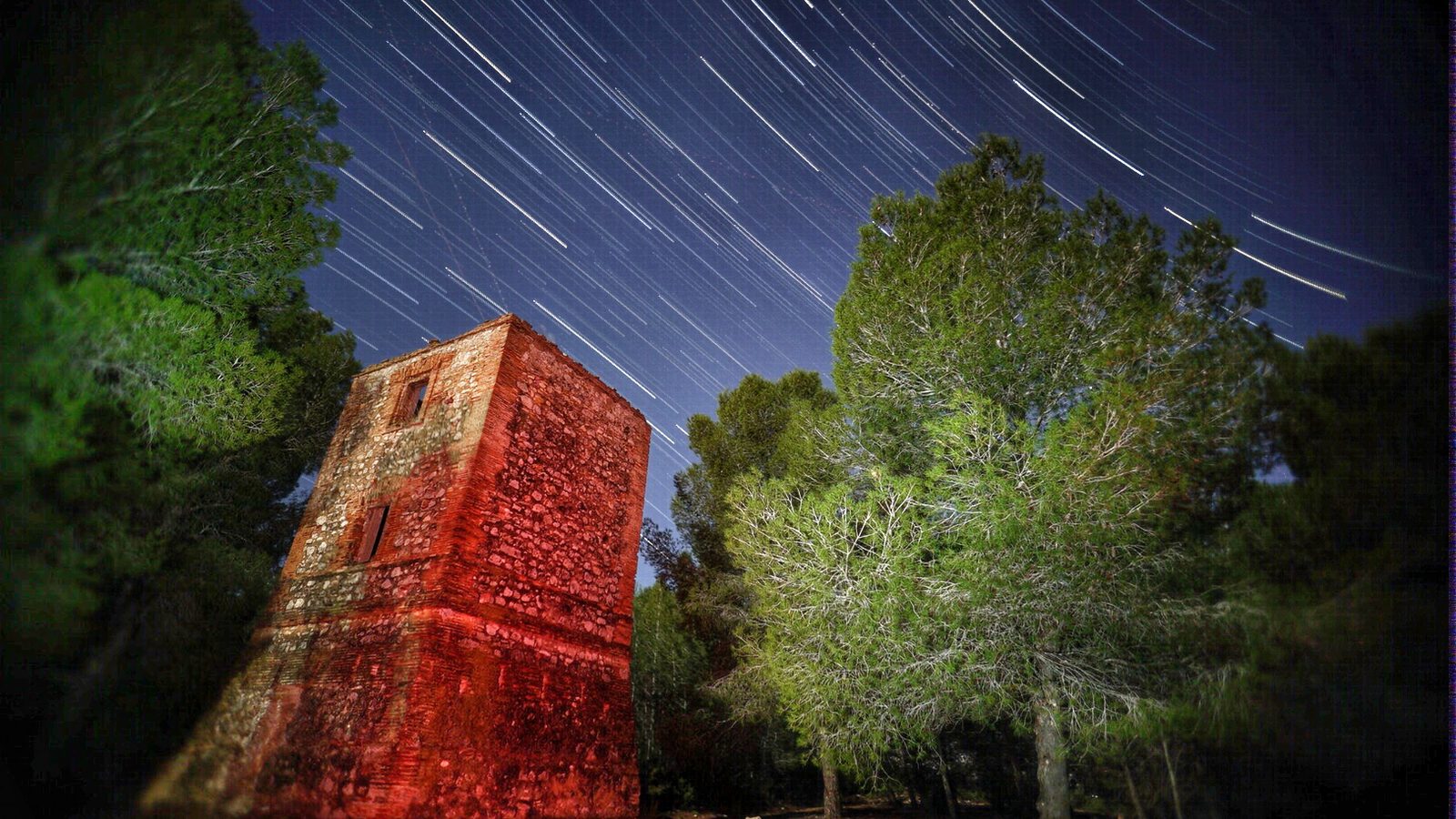
ND filters let photographers blur motion, such as water or crowds, or use shallow depth of field outdoors.
Do this, not that
Do
- Choose the strength for the desired exposure
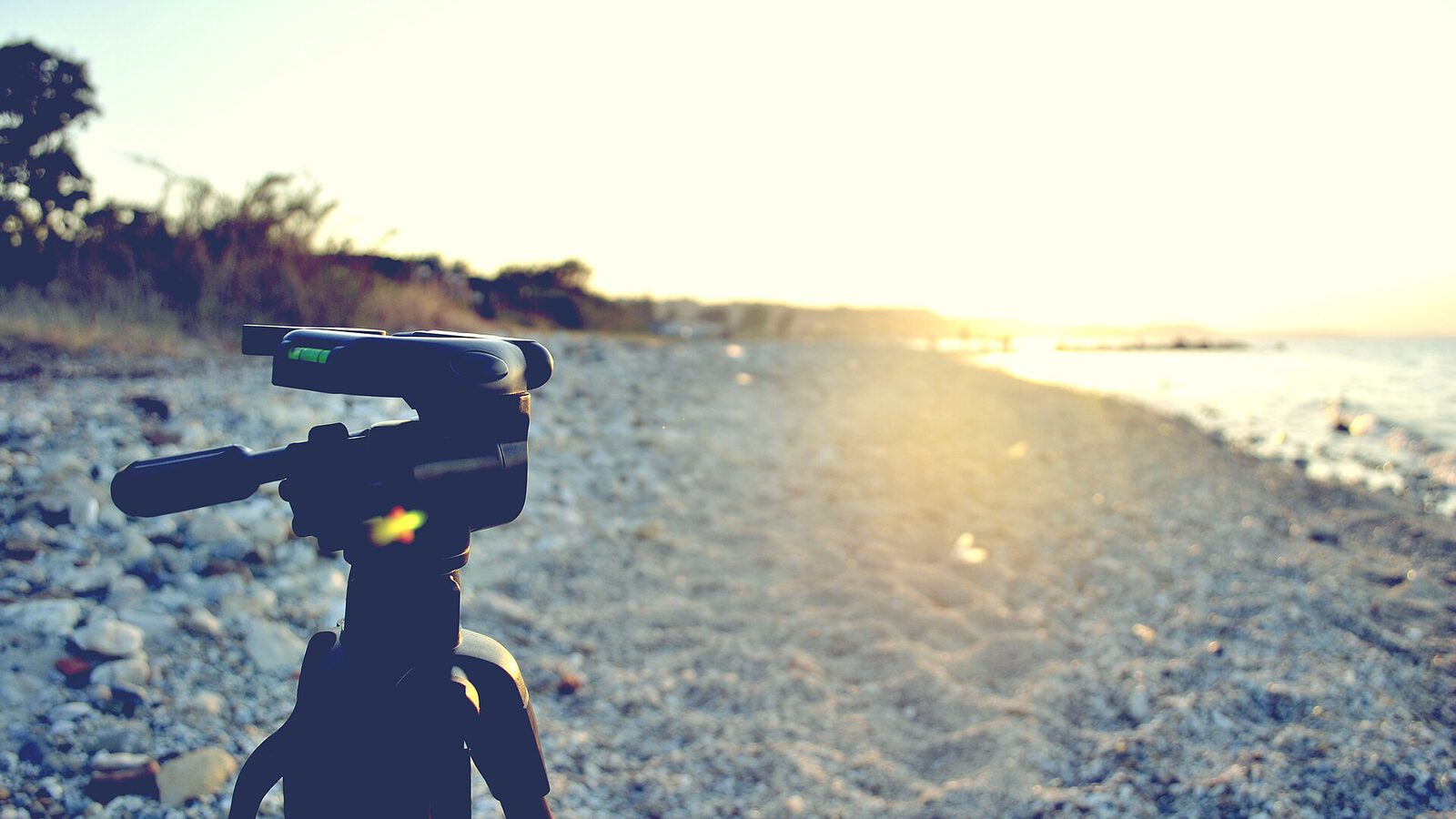
- Use a tripod for long exposures
- Check for color casts and correct white balance
- Use graduated filters for bright skies
- Compose before adding dark filters
Don’t
- Low-quality filters with strong casts
- Handheld long exposures
- Graduated filters with visible transitions
- Forgetting to meter after adding filters
When to bring in help
Our advice Bring in help for outdoor campaign or architectural shoots in bright conditions.
Where this comes from
- Adobe Help Center — Photography basics
- Capture One — Learning resources
The figures and practices above come from the sources listed.
Working on something like this?
We take on Photography & Product Visuals work for teams who want it done once, properly. Tell us what you are building and we will tell you honestly whether we are the right studio for it. Start a project.
Where to go next
Spotted something wrong? Report an error on this page. We correct on the page and say what changed.