AI-Generated Brand Assets: What Actually Works
Using generative tools to produce logos, illustrations and brand imagery.
 Priya Raghunathan

Where most projects go wrong
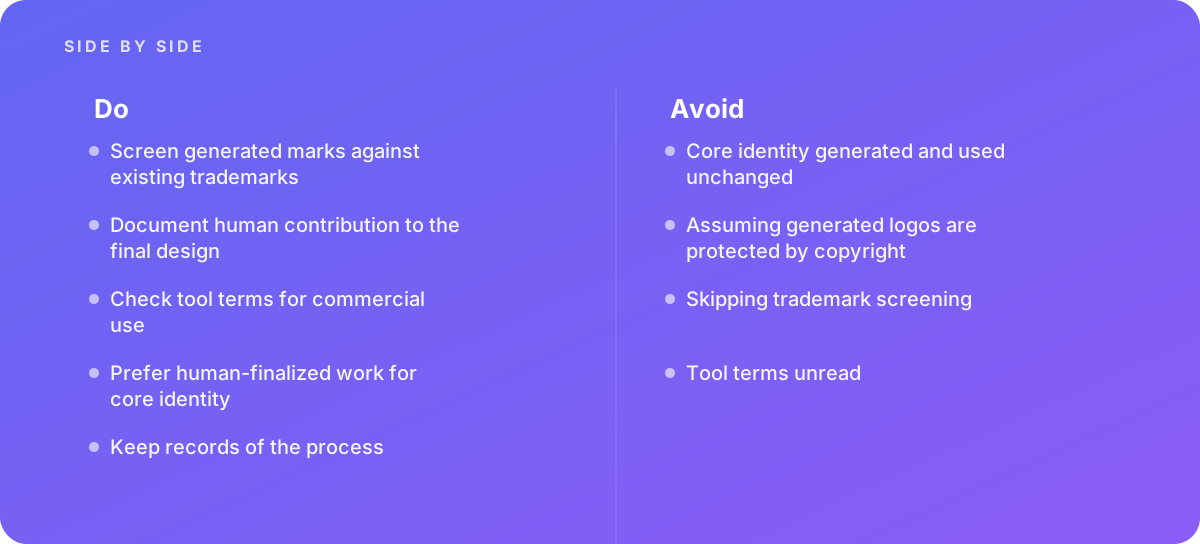
The usual mistakes:
- Core identity generated and used unchanged
- Assuming generated logos are protected by copyright
- Skipping trademark screening
- Tool terms unread
What good looks like instead
- Screen generated marks against existing trademarks
- Document human contribution to the final design
- Check tool terms for commercial use
- Prefer human-finalized work for core identity
- Keep records of the process
Why it matters
Generated identity assets raise ownership questions that matter precisely because brands need exclusivity.
The specs that matter
| Measure | Figure |
|---|---|
| Authorship | the Copyright Office protects only human-authored material |
| Trademarks | protection depends on use as a mark, not authorship |
| Similarity | generated output may resemble existing marks |
| Tool terms | services set their own commercial use terms |
Knowing when to hand it over
Tip: Bring in help before using generated assets as core identity.
Where this comes from
- U.S. Copyright Office — Copyright and Artificial Intelligence
- United States Patent and Trademark Office — Trademark basics
The figures and practices above come from the sources listed.
Working on something like this?
We take on Brand & Identity Design work for teams who want it done once, properly. Tell us what you are building and we will tell you honestly whether we are the right studio for it. Start a project.
Where to go next
Spotted something wrong? Report an error on this page. We correct on the page and say what changed.