A Practical Guide to Trademark Classes
The categories of goods and services used to organize trademark registrations, based on the international Nice Classification.
 Priya Raghunathan

Why does it matter?
A trademark is registered for specific classes, so choosing them carefully determines what the registration covers and what it costs.
What are the numbers?
- Nice Classification divides goods and services into 45 classes
- Goods and services classes 1 to 34 cover goods and classes 35 to 45 cover services
- Fees USPTO filing fees are charged per class
- ID Manual the USPTO publishes acceptable descriptions of goods and services
What should I do?
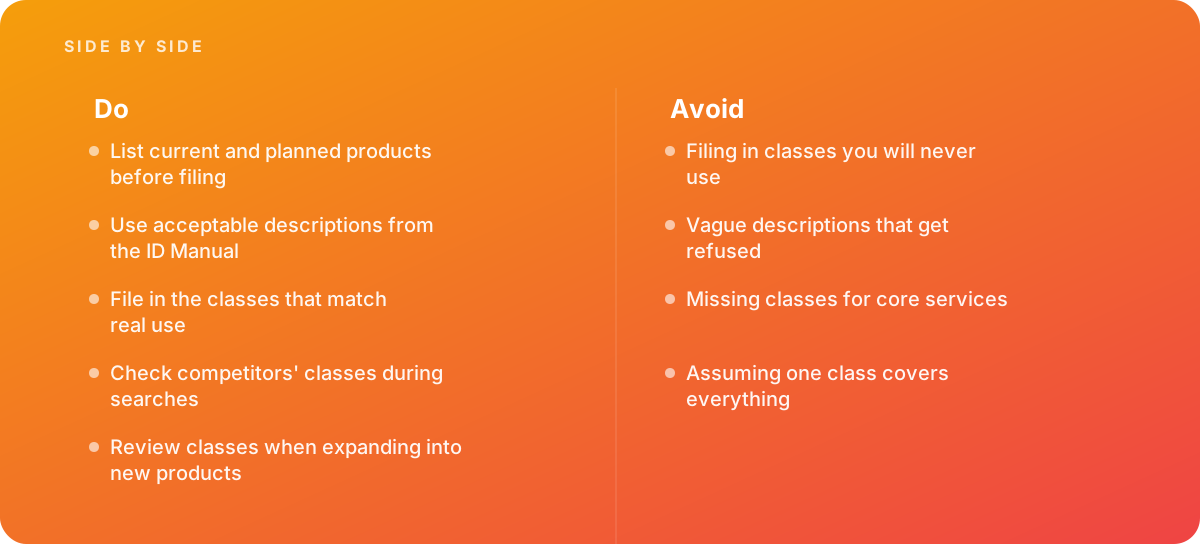
- List current and planned products before filing
- Use acceptable descriptions from the ID Manual
- File in the classes that match real use
- Check competitors' classes during searches
- Review classes when expanding into new products
What should I avoid?
Avoid:
- Filing in classes you will never use
- Vague descriptions that get refused
- Missing classes for core services
- Assuming one class covers everything
When should I get help?
Short answer Bring in help when a brand spans several product lines.
Where this comes from
- World Intellectual Property Organization — Nice Classification
- United States Patent and Trademark Office — Trademark ID Manual
The figures and practices above come from the sources listed.
Working on something like this?
We take on Brand & Identity Design work for teams who want it done once, properly. Tell us what you are building and we will tell you honestly whether we are the right studio for it. Start a project.
Where to go next
Spotted something wrong? Report an error on this page. We correct on the page and say what changed.