Writing Job Postings: The Decisions That Matter
Writing clear, inclusive and lawful job advertisements that attract qualified candidates.
 Dana Whitfield
Where most projects go wrong
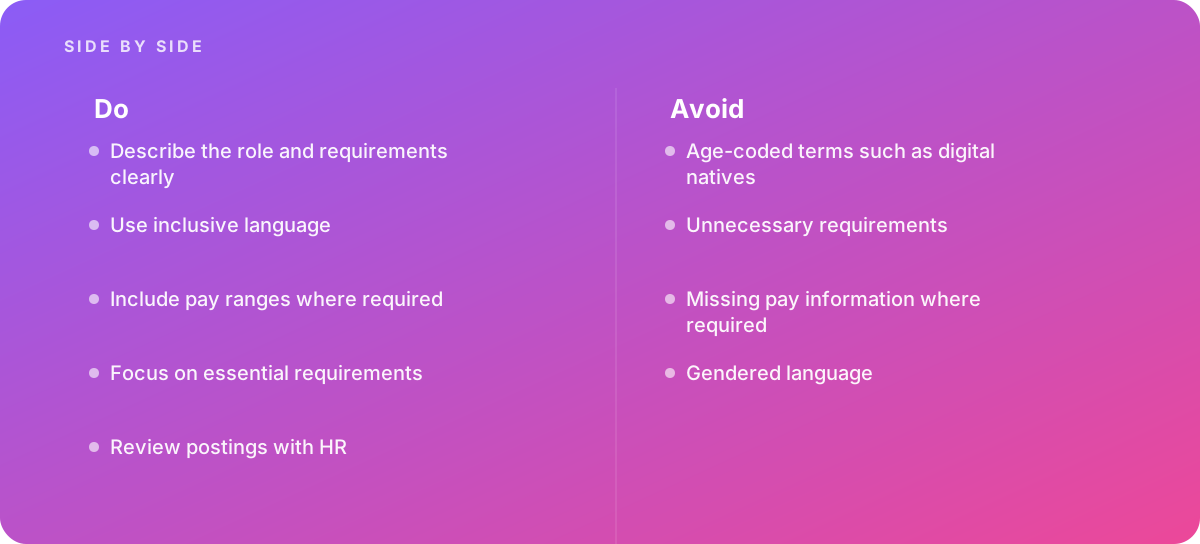
The usual mistakes:
- Age-coded terms such as digital natives
- Unnecessary requirements
- Missing pay information where required
- Gendered language
What good looks like instead
- Describe the role and requirements clearly
- Use inclusive language
- Include pay ranges where required
- Focus on essential requirements
- Review postings with HR
Why it matters
Job ads that show illegal preferences create legal risk, and several states now require pay information in postings.
The specs that matter
| Measure | Figure |
|---|---|
| EEOC | job ads may not express preferences based on protected characteristics |
| Age | ads may not discourage applicants aged 40 and older |
| Pay transparency | several states require salary ranges in postings |
| Structured data | Google supports job posting markup |
Knowing when to hand it over
Tip: Bring in help when hiring across several states.
Where this comes from
- U.S. Equal Employment Opportunity Commission — Prohibited Employment Policies/Practices
- Google Search Central — Job posting structured data
The figures and practices above come from the sources listed.
Working on something like this?
We take on Content Strategy work for teams who want it done once, properly. Tell us what you are building and we will tell you honestly whether we are the right studio for it. Start a project.
Where to go next
Spotted something wrong? Report an error on this page. We correct on the page and say what changed.