Usability Test Sample Sizes: The Decisions That Matter
How many participants to include in usability studies, depending on whether the goal is finding problems or measuring performance.
 Priya Raghunathan

At a glance
- Qualitative testing Nielsen Norman Group suggests about 5 users per round finds most common problems
- Iteration several small rounds are more effective than one large test
- Quantitative studies need larger samples, often 40 or more participants
- Card sorting typically needs more participants than qualitative testing
Why it matters
Why it matters: Testing with too few participants misses problems, while testing too many at once wastes budget that would be better spent on several rounds.
Best practice
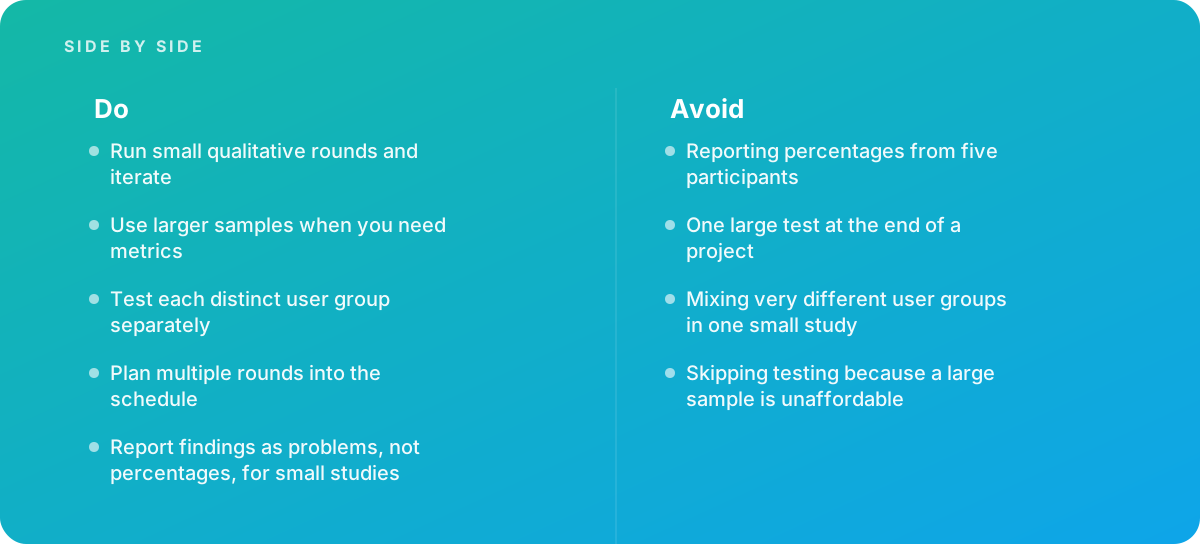
- Run small qualitative rounds and iterate
- Use larger samples when you need metrics
- Test each distinct user group separately
- Plan multiple rounds into the schedule
- Report findings as problems, not percentages, for small studies
Common pitfalls
Watch out for:
- Reporting percentages from five participants
- One large test at the end of a project
- Mixing very different user groups in one small study
- Skipping testing because a large sample is unaffordable
When to call in a specialist
Bottom line Bring in help when planning a research program or deciding between qualitative and quantitative methods.
Where this comes from
- Nielsen Norman Group — Why you only need to test with 5 users
- Nielsen Norman Group — Quantitative studies: how many users to test
The figures and practices above come from the sources listed.
Working on something like this?
We take on UI & UX Design work for teams who want it done once, properly. Tell us what you are building and we will tell you honestly whether we are the right studio for it. Start a project.
Where to go next
Spotted something wrong? Report an error on this page. We correct on the page and say what changed.