Writing a Website RFP: What Actually Works
The document that invites suppliers to propose and price a web project.
 Marcus Adeyemi

At a glance
- Comparability structured requirements make proposals comparable
- Constraints existing systems and standards must be stated
- Evaluation criteria should be published with the request
- Scope unclear scope produces unreliable pricing
Why it matters
Why it matters: Vague requests produce incomparable proposals, and comparing them wastes everyone's time.
Best practice
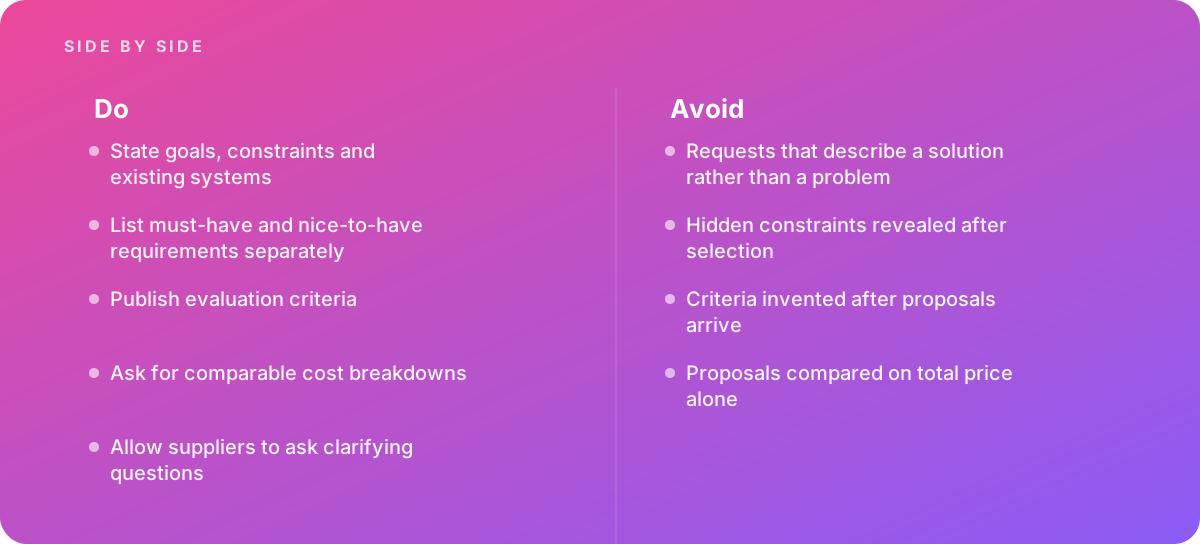
- State goals, constraints and existing systems
- List must-have and nice-to-have requirements separately
- Publish evaluation criteria
- Ask for comparable cost breakdowns
- Allow suppliers to ask clarifying questions
Common pitfalls
Watch out for:
- Requests that describe a solution rather than a problem
- Hidden constraints revealed after selection
- Criteria invented after proposals arrive
- Proposals compared on total price alone
When to call in a specialist
Bottom line Bring in help when procuring a significant build.
Where this comes from
- Section508.gov — Buy accessible products and services
- U.S. Small Business Administration — Government contracting
The figures and practices above come from the sources listed.
Working on something like this?
We take on Web Design & Development work for teams who want it done once, properly. Tell us what you are building and we will tell you honestly whether we are the right studio for it. Start a project.
Where to go next
Spotted something wrong? Report an error on this page. We correct on the page and say what changed.